

Metal Roof Repair: Common Problems, Effective Solutions, and Maintenance Tips
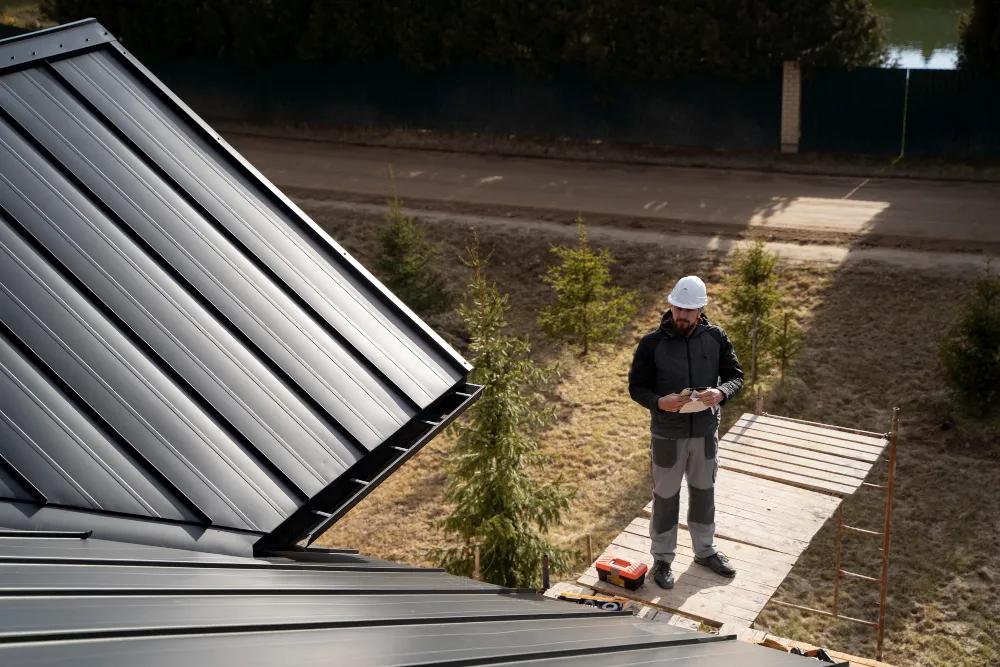
Metal roofs are known for their durability, energy efficiency, and long lifespan. However, even the strongest roofing systems can develop problems over time due to severe weather, aging materials, improper installation, or a lack of maintenance. Addressing these issues early helps protect your property, prevent water damage, and extend the life of your roof. Understanding when to schedule metal roof repair can save you from expensive repairs and premature roof replacement.
Whether you own a residential property or manage a commercial building, knowing the warning signs of roof damage can help you make informed decisions about maintaining your roofing system.
Common Problems That Require Metal Roof Repair
Metal roofing systems are designed to withstand many environmental conditions, but they are not completely maintenance-free. Several issues can affect their performance and require professional attention.
1. Leaks Around Seams and Fasteners
One of the most common reasons property owners seek metal roof leak repair is water entering through loose fasteners, damaged seams, or deteriorating sealants. Metal panels expand and contract as temperatures change. Over time, this movement can loosen screws and weaken the seals around them.
Even a small opening can allow moisture to enter the roof structure. If left untreated, the leak may damage insulation, ceilings, walls, and other building materials.
A professional roofer can inspect the affected area, replace damaged fasteners, and apply appropriate sealants to restore the roof's watertight protection.
2. Rust and Corrosion
Although many metal roofing materials include protective coatings, prolonged exposure to moisture, salt, pollutants, and harsh weather can eventually cause corrosion. Scratches, damaged paint, and areas where protective coatings have worn away are particularly vulnerable.
Rust should never be ignored. As corrosion progresses, it can weaken the metal panels and create holes that allow water to enter the building.
Effective metal roof repair services may involve removing surface rust, preparing the affected area, applying corrosion-resistant treatments, and restoring the protective coating. If a panel has deteriorated significantly, replacement may be the most reliable solution.
3. Damaged or Loose Metal Panels
High winds, falling branches, hail, and other environmental conditions can damage metal roofing panels. Panels may become bent, loose, or separated at their seams, leaving the roof vulnerable to water intrusion.
A damaged panel can also create additional problems if it places stress on surrounding sections of the roofing system. Prompt repairs help prevent the damage from spreading.
Depending on the severity of the problem, a roofing professional may be able to secure the existing panel or recommend replacing it with a compatible material.
4. Failing Flashing and Sealants
Flashing protects vulnerable areas where the roof meets walls, chimneys, vents, skylights, and other structures. Because these transitions experience movement and weather exposure, they are common sources of leaks.
Cracked sealants, poorly fitted flashing, and deteriorated joints can allow water to penetrate the roofing system. A qualified contractor can identify the source of the leak and repair or replace the affected components.
When arranging metal roofing leak repair, it is important to address the actual cause of the problem rather than simply covering visible water stains.
Signs Your Metal Roof Needs Professional Attention
Roofing problems are not always immediately obvious from inside a building. Recognizing early warning signs can help you arrange repairs before minor defects become major concerns.
Watch for these indicators:
Water stains on ceilings or interior walls.
Visible rust, corrosion, or peeling protective coatings.
Loose, missing, or damaged roofing screws.
Bent panels or separated seams.
Deteriorated sealants around roof penetrations.
Unusual moisture inside the attic or roof cavity.
Debris collecting around drainage points.
Sudden increases in indoor humidity following rainfall.
If you notice any of these issues, consider scheduling a professional metal roof inspection. An experienced contractor can assess the condition of the roofing system and determine which repairs are necessary.
Avoid climbing onto the roof yourself, especially when the panels are wet, steep, or damaged. Metal surfaces can be slippery, and working at height presents significant safety risks.
How Professional Metal Roof Repair Works
The repair process depends on the roof's material, design, age, and the extent of the damage. A reliable contractor typically follows several steps to ensure the problem is addressed properly.
Initial Roof Inspection
The contractor begins by examining the roofing panels, fasteners, seams, flashing, drainage areas, and protective coatings. The inspection may also include checking the underside of the roof for signs of moisture or structural deterioration.
Identifying the source of the problem is essential because visible leaks do not always originate directly above the affected interior area.
Damage Assessment
After the inspection, the contractor determines whether the damage can be repaired locally or whether more extensive work is needed. Small leaks and loose fasteners may require straightforward repairs, while widespread corrosion or failing seams could indicate a larger issue.
A clear assessment should explain the recommended work and identify any underlying concerns.
Repair and Material Replacement
Depending on the findings, repairs may include tightening or replacing fasteners, renewing sealants, repairing seams, treating corrosion, or replacing damaged panels.
Using compatible materials is particularly important. Metal roofing systems vary in their panel profiles, coatings, fastening methods, and expansion characteristics. Choosing unsuitable products can create new problems or shorten the life of the repair.
Final Inspection
Once the work is complete, the contractor should check the repaired areas to confirm that the components are properly secured and the affected sections are protected against moisture. The contractor may also recommend additional maintenance to prevent similar issues from recurring.
Metal Roof Repair or Replacement: Which Is Better?
Not every damaged metal roof needs to be replaced. In many cases, targeted repairs can restore performance and extend the roof's useful life.
Metal roof repair is often appropriate when the damage is limited to a few panels, isolated leaks, loose fasteners, or localized corrosion. If the underlying structure remains sound and most of the roofing material is in good condition, repairing the affected areas may be the more practical option.
Roof replacement may be worth considering when corrosion is widespread, multiple panels have failed, leaks continue despite repeated repairs, or the roof has reached the end of its expected service life.
The decision should be based on the roof's overall condition rather than its age alone. A professional contractor can compare the expected cost of continued repairs with the long-term benefits of replacement.
Factors That Affect Metal Roof Repair Costs
The cost of metal roof repair services varies depending on several factors. Understanding these considerations can help property owners evaluate estimates and plan their budgets.
The extent of the damage is one of the most important factors. Replacing a few fasteners generally requires less labor and material than repairing extensive corrosion or replacing multiple panels.
Roof accessibility also affects pricing. Steep slopes, tall buildings, complex designs, and difficult working conditions may require additional safety equipment and labor.
Material availability is another consideration. Matching existing panels, colors, coatings, and profiles can influence the cost and complexity of a repair.
Finally, hidden damage may increase the scope of work. If moisture has affected insulation, decking, or supporting components, those problems may need to be addressed before the roofing system can be fully restored.
Request a detailed written estimate that explains the proposed repairs, materials, labor, and any relevant warranty terms. Comparing estimates based on the same scope of work makes it easier to evaluate the value offered by different contractors.
Preventing Future Metal Roofing Problems
Routine maintenance can reduce the likelihood of unexpected repairs and help your roof perform reliably for years.
Schedule periodic inspections, particularly after severe storms or other events that could damage roofing materials. Keep gutters and drainage areas clear so water can flow away from the building. Remove accumulated debris when it can be done safely, and address damaged coatings or loose fasteners before they lead to larger problems.
It is also important to avoid incompatible coatings, sealants, or repair products. Some materials can react with particular metals or interfere with the roof's protective finish. Consult the roofing manufacturer or a qualified contractor before applying unfamiliar products.
For commercial properties, a documented maintenance schedule can make it easier to identify recurring issues and plan repairs before they interrupt business operations.
Choosing the Right Metal Roof Repair Contractor
Selecting an experienced contractor is an important part of protecting your investment. Look for a company with experience working on your specific type of metal roofing system.
Ask about licensing and insurance requirements in your area, previous roofing projects, repair methods, and the warranties available for labor and materials. A trustworthy contractor should explain the problem clearly, provide a written estimate, and avoid recommending unnecessary work.
If you are searching for a metal roof repair contractor near me, compare more than the initial price. Consider the contractor's experience, communication, proposed materials, and approach to identifying the source of the damage.
Be cautious of temporary fixes that cover symptoms without addressing the underlying cause. A lasting repair should restore the affected area while helping prevent the same problem from returning.
Protect Your Property With Timely Metal Roof Repairs
Metal roofing offers excellent durability, but regular inspections and timely maintenance remain essential. Loose fasteners, rust, damaged panels, and failing flashing can all compromise the roof's performance if they are left unaddressed.
By recognizing early warning signs, arranging professional inspections, and choosing suitable repair methods, property owners can prevent unnecessary damage and extend the life of their roofing systems.
Whether you need to resolve a minor leak or address more extensive deterioration, investing in professional metal roof repair can help maintain your property's protection, improve long-term reliability, and reduce the risk of costly problems in the future.