

Mold in Your Home: Health Risks, Prevention, and Why Professional Mold Remediation Matters
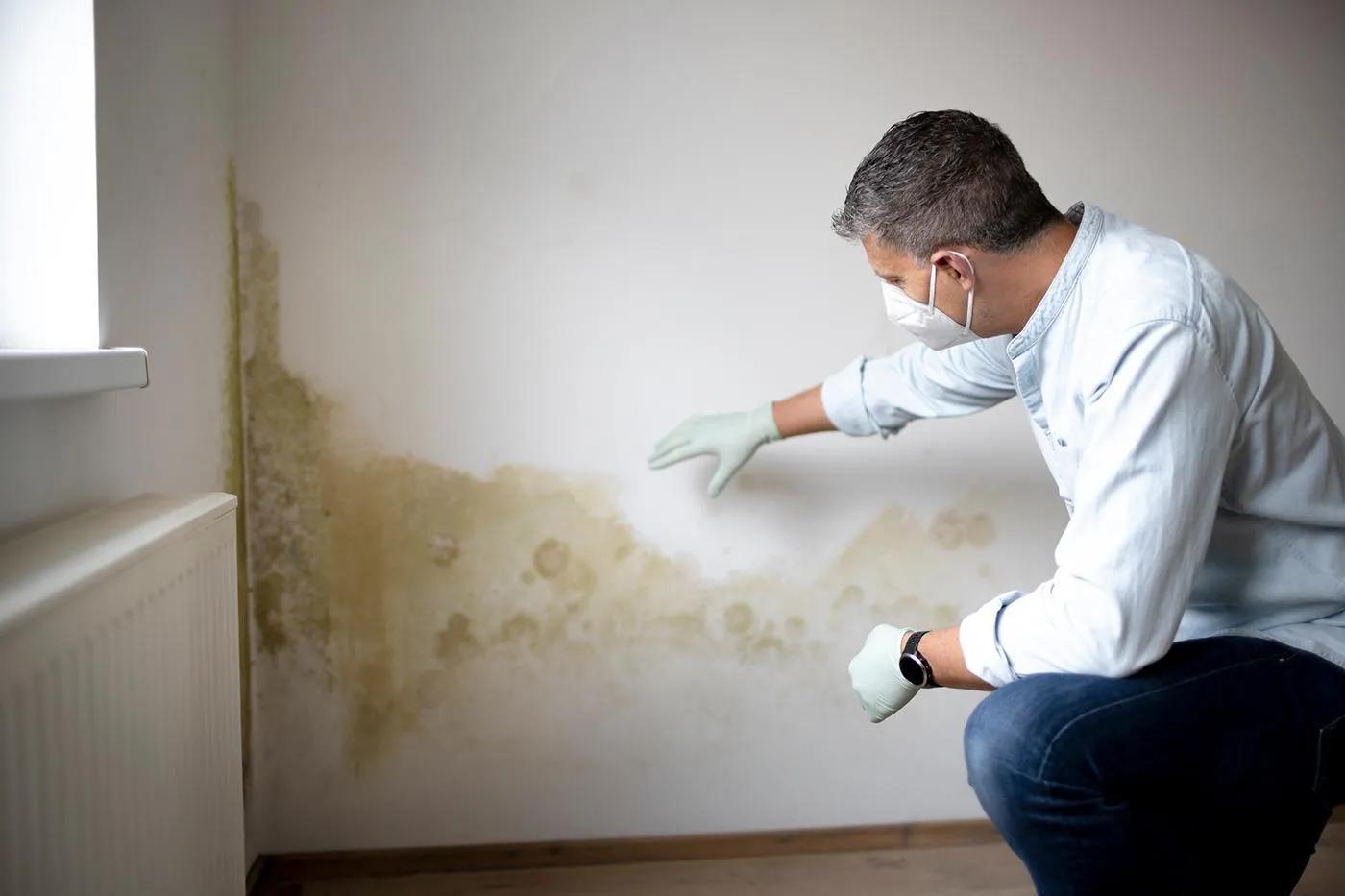
Mold is often dismissed as a minor household issue, something that can be wiped away with a bit of cleaner and forgotten. In reality, mold is far more than an aesthetic problem. It is a living organism that can compromise indoor air quality, weaken parts of your home, and negatively affect the health of everyone inside. What makes mold particularly dangerous is that it frequently grows out of sight. Long before you notice dark spots on a wall or ceiling, mold may already be spreading behind drywall, under flooring, or inside basements and crawlspaces where moisture tends to linger.
Many homeowners only become aware of mold after experiencing persistent odors, unexplained health symptoms, or visible damage. By that point, the problem is often more advanced and costly to address. Understanding how mold develops, what risks it poses, and how to prevent it is essential for maintaining a safe and healthy living environment. When mold growth goes beyond small, isolated areas, professional services such as Everclean Mold Removal play a critical role in ensuring the problem is handled thoroughly and safely.
This article takes a closer look at why mold forms in homes, the health concerns linked to exposure, how to recognize early warning signs, and why professional mold remediation is often the most effective solution.
Common Causes of Mold Growth in Homes
Mold spores exist naturally in the air, both indoors and outdoors. On their own, these spores are generally harmless. Problems begin when spores land on damp surfaces and find the moisture they need to grow and multiply. In homes, moisture issues are the primary trigger for mold infestations, and these issues can arise in many ways.
Plumbing leaks are one of the most common causes. Even a slow drip behind a wall or under a sink can create a consistently damp environment that allows mold to thrive. Roof leaks are another frequent source, especially after heavy rain or storms. Water that seeps into ceilings or attic spaces may go unnoticed for months, giving mold ample time to spread.
Poor ventilation also contributes significantly to mold growth. Areas like bathrooms, kitchens, laundry rooms, and basements naturally produce moisture through daily activities such as showering, cooking, and washing clothes. Without proper airflow or exhaust systems, humidity builds up and settles on walls, ceilings, and fixtures. Over time, this condensation creates ideal conditions for mold.
Flooding and water intrusion pose an even greater risk. Whether caused by natural disasters, burst pipes, or appliance failures, excess water can quickly saturate floors, walls, and insulation. If these materials are not dried thoroughly and promptly, mold can begin growing within 24 to 48 hours.
Condensation on cold surfaces is another less obvious cause. Poor insulation around windows, exterior walls, or pipes allows temperature differences to create moisture buildup. This moisture often goes unnoticed until mold becomes visible or odors develop. According to guidance from the U.S. Environmental Protection Agency, controlling indoor moisture is the single most important step in preventing mold growth in residential buildings .
Health Risks of Mold Exposure
Exposure to mold can affect people in different ways, depending on their sensitivity, overall health, and the extent of the mold problem. For many individuals, mold triggers allergic reactions. These reactions may include sneezing, nasal congestion, itchy or watery eyes, coughing, or skin irritation. While these symptoms may seem mild at first, prolonged exposure can worsen them and reduce overall comfort and quality of life.
People with asthma or existing respiratory conditions are particularly vulnerable. Mold spores can irritate the airways, leading to increased asthma attacks, wheezing, chest tightness, and difficulty breathing. Children and older adults may also be more susceptible due to developing or weakened immune systems.
In more severe cases, long-term mold exposure has been associated with chronic respiratory issues and infections, especially in individuals with compromised immune systems. Some types of mold produce mycotoxins, which can contribute to headaches, fatigue, and other systemic symptoms when exposure is ongoing.
Because many of these symptoms overlap with common illnesses or seasonal allergies, mold-related health issues are often overlooked. Professional mold remediation services such as Everclean Mold Removal focus not only on eliminating visible mold but also on addressing hidden sources that continue to release spores into the air, helping restore healthier indoor conditions.
Early Warning Signs of Mold in Your Home
Recognizing mold early can make a significant difference in how difficult and expensive remediation becomes. One of the most obvious signs is visible mold growth, which may appear as black, green, white, or even gray patches on walls, ceilings, or floors. These patches may start small but can expand rapidly if moisture issues persist.
Another common indicator is a persistent musty or earthy odor. Even if no mold is visible, this smell often points to hidden growth behind walls, under carpets, or inside ventilation systems. Water stains or discoloration on ceilings and walls can also signal past or ongoing moisture problems that support mold growth.
In some cases, the first warning sign is related to health. If members of your household experience unexplained allergy-like symptoms that improve when they leave the home, mold may be a contributing factor. Paying attention to these subtle clues allows homeowners to take action before the problem escalates.
Practical Steps to Prevent Mold in Your Home
Preventing mold largely comes down to managing moisture and maintaining good airflow throughout the home. Promptly repairing leaks in plumbing, roofing, or windows is essential, as even minor water issues can lead to significant mold growth over time. Regularly checking under sinks, around appliances, and in basements can help catch problems early.
Proper ventilation plays a key role in moisture control. Using exhaust fans in bathrooms and kitchens helps remove humid air before it can settle on surfaces. In areas prone to dampness, such as basements, dehumidifiers can help maintain humidity levels within a safe range, typically between 30 and 50 percent.
Insulating pipes, windows, and exterior walls reduces condensation and prevents moisture from accumulating on cold surfaces. After any water-related incident, such as flooding or spills, drying affected areas quickly and thoroughly is critical. Regular inspections of less-used spaces like attics and crawlspaces further reduce the risk of hidden mold development.
When to Call a Professional Mold Remediation Service
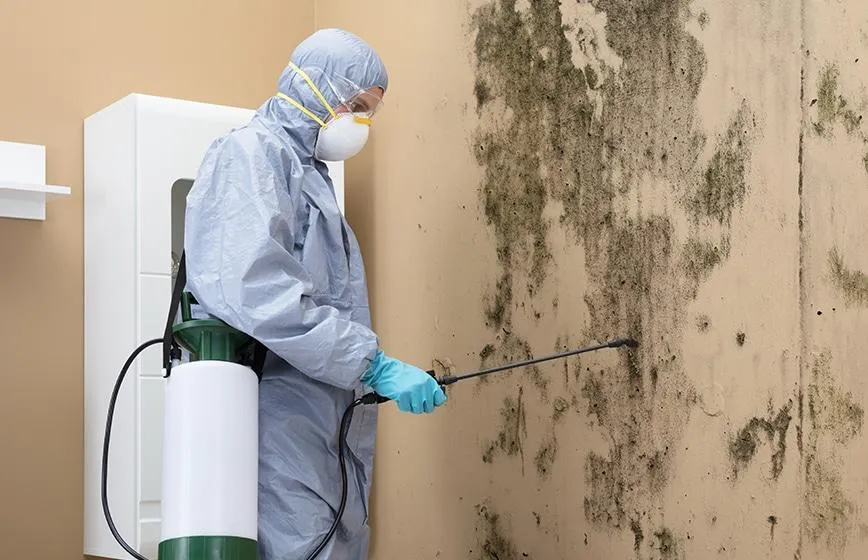
While small areas of surface mold can sometimes be cleaned with appropriate household products, not all mold problems are suitable for do-it-yourself solutions. Large infestations, recurring mold, or mold hidden behind walls and flooring require professional expertise. Attempting to remove extensive mold without proper equipment can spread spores throughout the home and worsen the problem.
Professional mold remediation specialists are trained to identify the full extent of mold growth, including areas that are not immediately visible. They use specialized tools to contain spores, safely remove contaminated materials, and treat affected spaces to prevent future growth. Services like Everclean Mold Removal focus on both remediation and prevention, ensuring that the underlying moisture issues are addressed alongside mold removal.
Why Choose Everclean Mold Removal?
Choosing the right remediation provider is crucial for long-term results. Everclean Mold Removal offers experienced, certified technicians who conduct thorough inspections to locate hidden mold sources. Their approach prioritizes safety, using proven methods that protect both occupants and the structure of the home.
Beyond removing existing mold, Everclean Mold Removal emphasizes prevention by identifying moisture problems and recommending solutions to reduce the risk of recurrence. This comprehensive approach gives homeowners confidence that their living environment is truly safe and healthy.
Conclusion
Mold is a serious household issue that should never be ignored. It can silently damage your home and negatively impact your family’s health if left unchecked. By understanding how mold forms, recognizing early warning signs, and taking proactive steps to control moisture, homeowners can significantly reduce their risk.
When mold is suspected or confirmed, professional remediation services like Everclean Mold Removal provide effective, long-lasting solutions that go beyond surface-level cleaning. Acting quickly protects your property, improves indoor air quality, and ensures peace of mind. A healthy home starts with addressing mold the right way, before it has the chance to take hold.