

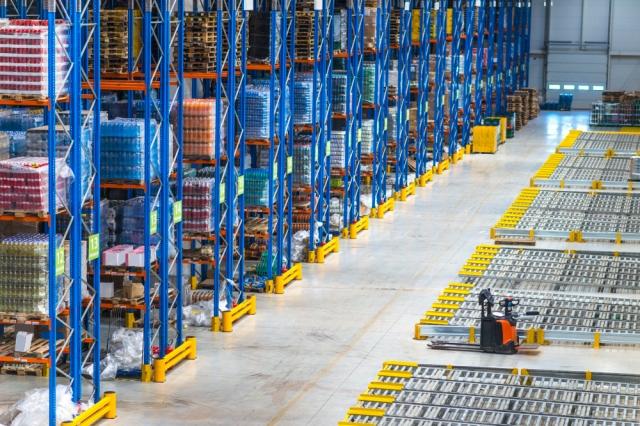
One of the most adaptable storage options for companies, farms, building sites, and even private use is the shipping container. They are perfect for storing tools, equipment, and merchandise because they are sturdy, safe, and portable. But a plain container often leaves you with wasted vertical space and disorganized storage.
That’s where you can get shipping container racking systems. You may make the most of available space, enhance accessibility, and safeguard valuables by installing specific racks inside your container. This post will explain why container racking is revolutionary and explain how to select the best system for your requirements.
The Problem With Standard Containers
Generally speaking, a shipping container is just a big, empty box. Items are piled on top of one another or dispersed around the floor in the absence of shelving or compartments. This gives rise to various issues:
- Wasting vertical space
- Having trouble rapidly locating or accessing goods
- A higher chance of defective products
- Inadequate stacking that may cause collisions. These problems increase as storage requirements increase. Businesses frequently believe that a larger container is the only option, but installing racks is frequently far more practical and economical.
What Are Shipping Container Racking Systems?
Racking systems for shipping containers are modular shelving or storage pieces made especially to match a container's size. Depending on what's being stored, they can be mobile, stationary, or adjustable. With these racks, you can:
- Keep things off the ground to avoid damage.
- Utilize the entire height of the container.
- Make distinct sections for various products.
- Enhance accessibility for tools or inventories.
In essence, it turns a basic box into a very useful storage space. You can get shipping container racking systems made to meet your unique requirements in order to investigate your possibilities.
Benefits of Getting Shipping Container Racking Systems
Make the Most of Space:
One of the main benefits is vertical storage. Racks allow you to make the most of every square inch of space rather than piling things on the floor, which frequently doubles storage capacity without requiring additional containers.
Enhance Organization
Things are easy to locate when everything has a specific location. Workflow becomes more efficient, shelves can be labeled, and compartments can be allocated to various inventory kinds.
Safeguard Your Resources
Items that are kept off the ground are less likely to sustain damage from moisture, dirt, or unintentional impact. Additionally, racking systems stop big objects from falling on delicate or lighter goods.
Safety and Easy Access
You can access products without having to clamber over boxes or stack pallets, thanks to well-designed racks. This lessens the likelihood of accidents and job hazards.
Adaptable and Transportable
You can move the complete storage unit with the racks still in place because the containers are movable. Because certain racking systems are modular, you can adjust the arrangement to suit your changing storage requirements.
Economical Storage
Upgrading your current container with racks generally offers greater storage for a fraction of the price of renting or purchasing additional containers.
Types of Shipping Container Racking Systems
There are different types of racking systems.
Typical Shelving:
Ideal for tiny boxes, tools, or supplies. These are often adjustable and simple to install.
Racking pallets:
Perfect for bulky or heavy goods kept on pallets. facilitates the loading and unloading of forklifts.
Cantilever Racks
Cantilever racks are made for long or cumbersome objects, such as tubes, pipes, or lumber.
Modular Racks:
Adaptable racks that can be moved or expanded to suit changing storage requirements.
Transportable Racks
For optimal accessibility in confined container environments, use sliding tracks or wheeled racks
Each type has specific benefits, and depending on inventory and workflow, a combination frequently works best.
No matter the industry, anyone with limited space or a need for portable storage can benefit from container racking solutions. You can explore professional options to get shipping container racking systems that match your needs.
Installation and Maintenance Tips
Before ordering racks,
- measure your container precisely.
- Keep paths clear for safe access.
- Label shelves to keep things organized.
- Check racks frequently for wear and tear, especially in outdoor containers.
If storing big objects, make sure the weight limits are not exceeded. In addition to preventing expensive mishaps and inventory loss, a well-maintained racking system lasts for many years.
Final Thoughts
Your activities don't have to be constrained by space. You can change a basic shipping container into an efficient, well-organized storage center by making the appropriate setup investment.
Shipping container racking solutions can maximize space, safeguard goods, and improve productivity for any type of organization, including farms, construction companies, and expanding enterprises. Don't let clutter or squandered space impede your progress. Every square inch of storage matters when you get a container racking system.
FAQ’s
What is the purpose of shipping container racking systems?
They efficiently and safely store tools, equipment, inventory, or materials inside shipping containers by organizing and making the most of available space.
Can I set up these racks on my own?
Larger or heavy-duty racks often need to be installed by a specialist, but some systems are doable.
Are they appropriate for large machinery?
Absolutely, Heavy weights can be safely supported by steel modular racks or pallet racking.
How can I pick the best kind of rack?
Consider the items you store, their size and weight, and the container's dimensions. Modular systems offer the most flexibility.
References: https://spaceaidmfg.com/racking/containers/