

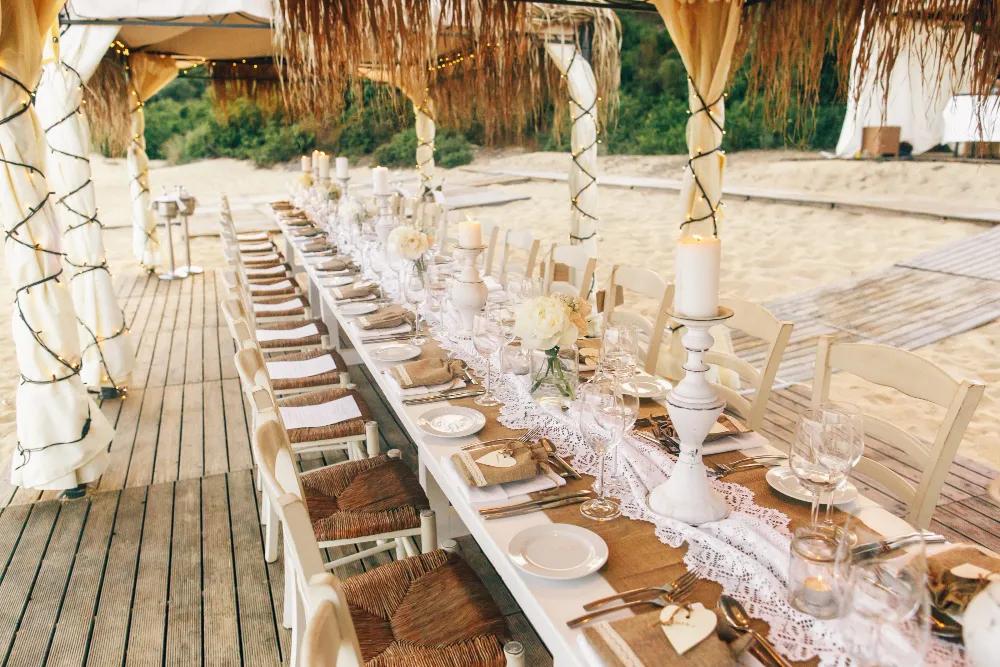
Image source: freepik
Party tent rentals are the easiest way to make an outdoor event feel like a real venue instead of “just the backyard.” A tent gives you shade, a weather plan, and a defined space where guests naturally gather. It also protects the details you’re spending time on, like food setup, décor, and seating. Without a tent, even a great party can turn into a scramble if the sun is intense, the wind picks up, or the forecast changes last minute.
For backyard events, tents do more than cover heads. They create structure. Guests know where to sit, where food will be served, and where the main “action” is. For larger gatherings, tents are often what makes the event possible in the first place, because they provide enough covered space for dining layouts, bar service, and lighting once it gets dark.
The best party tent rentals start with realistic planning. Not just “we have 80 people,” but how those 80 people will spend their time. Are you serving a seated meal, or is it more casual. Will there be dancing. Are you using a buffet, food truck, or plated service. Will the party run into the evening. Those answers shape tent size, layout, and what add-ons actually matter. This is also where working with Greenwich Tent Company helps, because experienced teams can match tent choices to real event flow, not guesswork.
What Impacts Tent Size and Configuration
Tent size depends on guest count, but the biggest factor is the event format. A seated dinner needs significantly more space than a standing cocktail party because tables, chairs, and clearances take up room fast. If you’re doing rounds, you need space not only for the table footprint, but for guests to pull out chairs and for people to walk behind seated guests. If you’re using long banquet tables, you may fit more people in a line, but you still need aisles and service paths.
Configuration is also shaped by what else is happening under the tent. A dance floor can take a large section of the footprint and should be planned early so it doesn’t end up squeezed into a corner. Buffets and bars create lines and clusters, so they need “breathing room” around them. If you want a DJ area, stage, dessert table, or lounge seating, those zones also affect sizing.
The site itself matters too. Backyard shapes aren’t perfect rectangles. You may have trees, gardens, pools, slopes, or tight access points. Some tent styles require staking space, and that can change where the tent can safely sit. Surface type also impacts setup. Grass is common, but underground irrigation lines and sprinklers need to be located. Driveways and patios may require different anchoring methods.
A smart approach is to plan for comfort rather than “tight fit.” A tent that feels slightly oversized usually creates a better guest experience than one that technically fits but feels crowded.
Lighting, Sidewalls, and Comfort Extras to Consider
Lighting is one of the most overlooked upgrades, and it’s also one of the most important. Once the sun goes down, lighting becomes safety. Guests need to see pathways, stairs, and transitions, and you want the tent to feel warm and inviting instead of dark and awkward. Many events use a mix. Soft overhead lighting for atmosphere and brighter lighting for food and bar zones. Don’t forget exterior walkway lighting, because guests will be moving in and out of the tent all night.
Sidewalls are another key choice. They can protect against wind, light rain, and temperature drops, but they also change airflow. In warm weather, fully enclosed sidewalls can trap heat, so partial walls or strategic openings may work better. In cooler seasons, sidewalls paired with heaters can dramatically improve comfort and keep guests from leaving early.
Comfort extras can be the difference between a party that ends early and one that keeps going. Fans can help on hot days. Heaters can extend the season. Flooring can prevent mud issues and make it easier for guests to walk, especially in nicer shoes. Lounge seating can create a relaxed corner for guests who want a break from the crowd. Even small additions, like a dedicated entry mat area or a covered path to the house, can make the event feel more polished.
The key is choosing extras that match your real conditions. Temperature, wind exposure, ground surface, and event length. When those details are planned, the tent doesn’t feel like a temporary patch. It feels like the perfect setting for the gathering.