

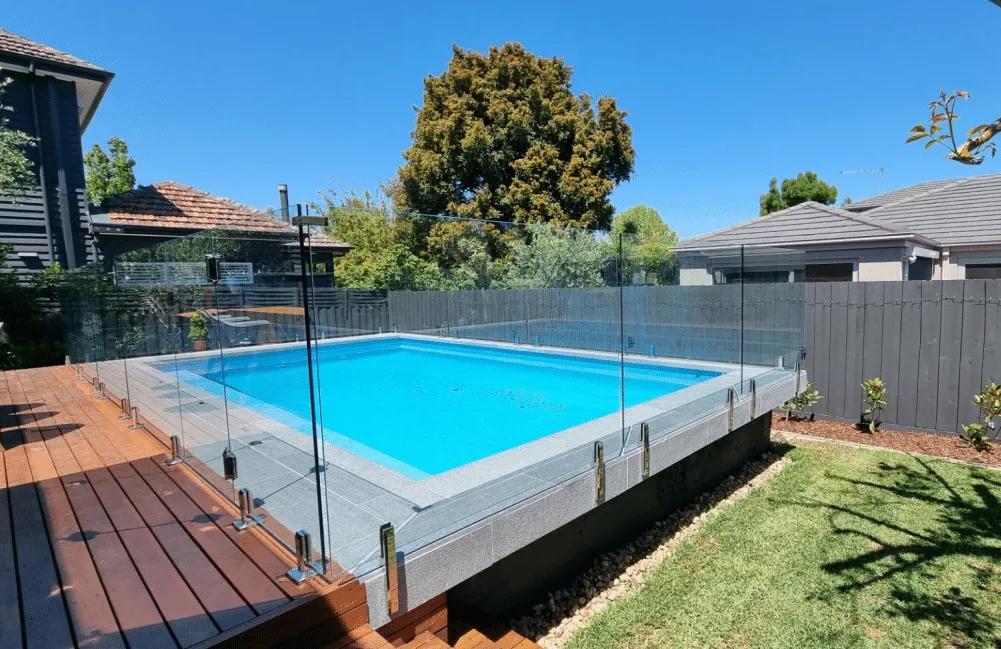
Pool safety regulation exists for a genuinely serious reason, and Victorian law takes it seriously too, with mandatory compliance inspections now required for all pools and spas across the state. Understanding what's required for pool fencing Melbourne regulations demand isn't just about avoiding a compliance notice, it's about preventing the kind of tragedy that these laws were specifically designed to stop.
Here's a clear overview of what Melbourne pool owners need to know about current fencing requirements and the registration and inspection process.
All Pools and Spas Need to Be Registered
Victorian law requires all swimming pools and spas capable of holding more than 300mm of water to be registered with the local council, regardless of whether the pool is permanent, above-ground, or even a larger inflatable pool used seasonally. This registration triggers the ongoing requirement for periodic compliance inspections, generally every four years for most residential pools, to confirm the safety barrier continues to meet current standards.
Selling a property with a pool also requires a valid compliance certificate to be provided as part of the sale, which means non-compliant fencing can genuinely hold up a property settlement if it's not addressed proactively well before the property goes to market.
Key Requirements Under the Relevant Standard
Pool barriers in Victoria need to comply with the relevant Australian Standard, which sets out specific requirements around barrier height, generally a minimum of 1200mm, gaps beneath and between vertical members, and critically, the concept of a non-climbable zone around the outside of the barrier. This zone restricts nearby objects, plants or structures that a child could use to climb over the fence, and it's one of the most common reasons existing barriers fail inspection.
Self-Closing, Self-Latching Gates Are Non-Negotiable
Every pool gate must be self-closing and self-latching, meaning it swings shut and locks automatically without needing to be manually pushed closed. This single requirement accounts for a significant proportion of failed inspections, often due to a gate hinge that's worn, misaligned, or simply not adjusted correctly to close fully under its own weight from any open position.
Barrier height: minimum 1200mm measured from ground level on the outside of the fence.
Gap limits: typically no more than 100mm beneath the barrier and between vertical members.
Non-climbable zone: generally 900mm horizontally clear of climbable objects around the barrier.
Self-closing gates: must close and latch automatically from any open position, every time.
What Happens During an Inspection
A registered building inspector or municipal building surveyor assesses the barrier against the applicable standard, checking height, gaps, gate function and the surrounding non-climbable zone. If issues are identified, you'll receive a notice detailing what needs to be rectified, with a timeframe to address it before a follow-up inspection. Many issues, particularly around gate adjustment or minor gap corrections, are relatively straightforward and inexpensive to fix once identified.
What Happens if You Don't Comply
Non-compliant pool barriers can result in formal notices from the local council, and in more serious cases, penalties for continued non-compliance beyond the given rectification period. Beyond the legal and financial risk, the core purpose of these regulations is preventing drowning incidents involving young children, which remain a genuine and tragic risk around unfenced or poorly fenced pools across Victoria every single summer.
If you are unsure whether your existing barrier meets current requirements, it is far better to arrange a professional assessment proactively than to wait for a council notice or, worse, a property sale to force the issue. Many compliance gaps are relatively minor and inexpensive to address once properly identified by someone who knows exactly what the current standard requires.
Preparing for Your Compliance Inspection
A little preparation before an inspection can save a wasted visit and a follow-up fee. Walking around your own barrier beforehand, checking that the gate closes and latches properly from a fully open position, measuring gaps at the base and between vertical members, and clearing any furniture, pot plants or garden features that might sit within the required non-climbable zone all address the most commonly failed items before the inspector even arrives.
If you're unsure how to interpret any of these requirements for your specific barrier type, a specialist pool fencing company can often provide a pre-inspection assessment, flagging likely issues and, where needed, carrying out rectification work before your official council-mandated inspection takes place.
Renovating or Building New? Plan Fencing Early
For anyone planning a new pool installation or a backyard renovation involving an existing pool, factoring fencing compliance into the earliest stages of planning avoids costly rework later. Retrofitting a barrier around finished landscaping is considerably more complex and expensive than integrating fencing requirements into the original design.
A specialist pool fencing installer can advise early in the planning process on how compliance requirements will interact with your broader landscaping vision, helping avoid a scenario where beautifully finished paving or garden beds need to be disturbed later to accommodate a compliant barrier.
Final Thoughts
Pool fencing compliance isn't simply a bureaucratic hurdle, it's a genuinely important safety measure that has demonstrably saved lives since these standards were introduced. If your pool barrier hasn't been assessed recently, or if you're uncertain whether it meets current requirements, arranging an inspection proactively is far preferable to discovering an issue during a property sale or, worse, after an incident has already occurred.
A specialist glass pool fencing installer familiar with Melbourne's compliance requirements can also advise on upgrades that improve both compliance and appearance simultaneously, which is often a more appealing prospect than a purely functional fix to an ageing barrier.