

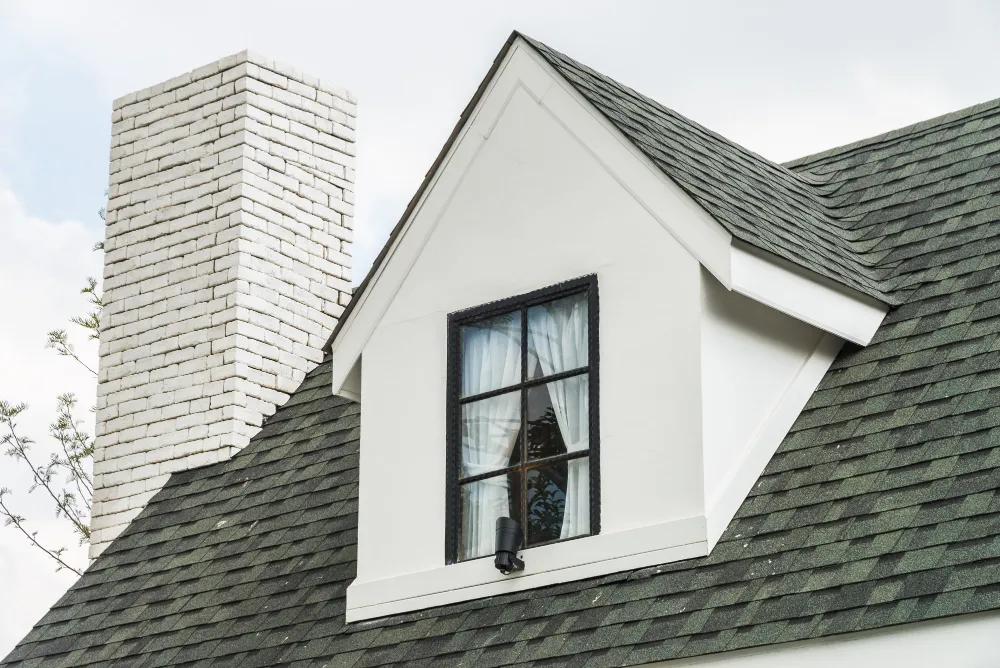
Your home's roof is its first line of defense against rain, wind, sunlight, and changing weather conditions. A properly installed and maintained roof helps protect your family, belongings, and property's structural integrity while contributing to indoor comfort and energy efficiency. However, roofing materials gradually deteriorate, and even a well-built roof may eventually require repairs or replacement.
Understanding the essentials of residential roofing can help homeowners make better decisions about materials, maintenance, and professional services. Whether you are building a new home, addressing a leak, or considering a roof upgrade, knowing what to look for can help you protect your investment for years to come.
Understanding the Importance of Residential Roofing
A residential roofing system consists of several components that work together to protect a home. These may include shingles or other exterior materials, underlayment, flashing, roof decking, ventilation systems, and drainage components.
Each part serves a specific purpose. Exterior roofing materials shield the structure from weather exposure, while underlayment provides an additional protective layer. Flashing helps prevent water from entering vulnerable areas around chimneys, vents, and roof valleys.
Proper attic ventilation and insulation also contribute to overall roof performance. When these components are installed correctly, they help manage heat and moisture while supporting comfortable indoor temperatures.
Investing in quality roofing services for homeowners can help ensure that these components work together effectively. Regular inspections and timely maintenance are equally important because damage to one area can affect the performance of the entire system.
Common Signs Your Roof Needs Attention
Roofing problems often begin with small warning signs that are easy to overlook. Recognizing these issues early can help prevent more extensive damage.
Water stains on ceilings or walls are common indicators of possible roof leaks. These stains may appear yellow or brown and can indicate that moisture is entering through damaged shingles, flashing, or other vulnerable areas.
Missing, cracked, or curling shingles are additional warning signs. Damaged shingles can expose underlying roofing components to moisture and sunlight, increasing the likelihood of deterioration.
Homeowners should also watch for granules collecting in gutters, loose flashing, sagging roof sections, and unexplained increases in indoor humidity. Although these symptoms can have different causes, they deserve professional evaluation.
After severe weather, an inspection may reveal damage that is not immediately visible from the ground. If you notice any concerning changes, arranging a professional residential roof inspection can help identify the problem and determine the next steps.
Choosing the Right Roofing Materials
Selecting suitable roofing materials is an important part of protecting your home. Different options offer varying levels of durability, maintenance requirements, appearance, and cost.
Asphalt Shingles
Asphalt shingles are a popular residential roofing option because they are available in numerous colors and styles. They can suit many architectural designs and generally offer a range of price points.
Their performance depends on product quality, installation, ventilation, and exposure to local weather conditions. Damaged shingles should be replaced promptly to maintain the roof's protective barrier.
Metal Roofing
Metal roofing is another option for homeowners seeking durability and a distinctive appearance. Depending on the material and installation, metal roofs can provide effective weather protection and a long service life.
Proper installation around seams, flashing, and roof penetrations is essential for preventing water intrusion.
Tile Roofing
Clay and concrete tiles offer a traditional appearance and can provide long-lasting performance when installed correctly. However, their weight means that the roof structure must be suitable for the selected system.
Individual tiles can also crack or become displaced, requiring inspection and repair.
Before selecting a material, consider your budget, local climate, architectural preferences, maintenance expectations, and the recommendations of a qualified roofing contractor.
When to Repair or Replace Your Roof
One of the biggest decisions homeowners face is determining whether to repair an existing roof or replace it completely.
Residential roof repair is often appropriate when the damage is limited to a specific area and the remaining roofing materials are in good condition. Examples include replacing missing shingles, repairing flashing, and addressing isolated leaks.
However, widespread deterioration, repeated leaks, extensive structural damage, or materials approaching the end of their expected service life may indicate that replacement is worth considering.
A complete residential roof replacement also provides an opportunity to correct underlying problems, upgrade materials, and improve certain aspects of the roofing assembly.
When comparing repair and replacement, consider the roof's age, previous repair history, current condition, and estimated remaining service life. Repeated repairs may become less economical if additional problems continue to develop.
A professional inspection can help you understand the extent of the damage and compare available options before committing to a major project.
How Proper Roof Ventilation Protects Your Home
Ventilation is an important but sometimes overlooked part of residential roofing. An appropriately designed attic ventilation system helps manage heat and moisture that can accumulate inside the roof structure.
During warm weather, excessive attic heat can contribute to higher cooling demands. In colder conditions, moisture from indoor air may accumulate in poorly ventilated spaces, potentially contributing to condensation and material deterioration.
The correct ventilation arrangement depends on the roof design, insulation, climate, and applicable building requirements. Simply adding more vents does not always solve a ventilation problem because intake and exhaust airflow must work together.
Homeowners experiencing excessive attic moisture, condensation, or persistent temperature differences should ask a roofing professional to evaluate ventilation and insulation.
Addressing these issues can help support roof durability and indoor comfort while reducing the risk of moisture-related damage.
Understanding Residential Roofing Costs
The cost of residential roofing depends on several factors, including roof size, slope, material selection, accessibility, labor requirements, and the condition of the existing structure.
A small repair may involve replacing a few shingles or correcting a flashing issue. A complete replacement can require material removal, disposal, underlayment installation, new roofing materials, and additional work if damaged decking is discovered.
When searching for residential roofing contractors near me, request detailed written estimates from qualified professionals. Each estimate should explain the proposed work, material specifications, labor charges, project timeline, and warranty coverage.
Ask whether the estimate includes cleanup, disposal fees, permits where required, and any additional work that may be necessary if hidden damage is discovered.
Comparing estimates with the same scope of work makes it easier to evaluate value. The lowest price is not always the best choice if it excludes important components or relies on unsuitable materials.
Understanding the full project cost before work begins can help you plan your budget and avoid unexpected expenses.
Practical Tips for Maintaining Your Roof
Regular maintenance can help extend the useful life of a residential roof and reduce the likelihood of expensive repairs.
Schedule periodic inspections and arrange additional assessments after severe storms. Check for visible signs of damage from the ground, but avoid climbing onto the roof without appropriate training and safety equipment.
Keep gutters and downspouts clear so water can drain away effectively. Blocked gutters may cause water to overflow and contribute to moisture problems around roof edges and the building's foundation.
Trim overhanging branches when necessary to reduce the risk of falling limbs and excessive debris. Also, monitor your attic for signs of moisture, damaged insulation, or unusual odors.
Address small roofing problems promptly instead of waiting until water enters the home. Maintain records of inspections, repairs, and warranties so you can track the roof's condition over time.
Working with a qualified roofing contractor can help you establish a maintenance schedule suited to your roof's materials and local weather conditions.
Conclusion
A dependable residential roofing system is essential for protecting your home from weather exposure, moisture, and structural damage. Choosing suitable materials, recognizing early warning signs, and investing in regular maintenance can help homeowners make informed decisions about their roofs.
Whether you need minor repairs, a professional inspection, or a complete replacement, experienced roofing professionals can assess your property's needs and recommend appropriate solutions.
By prioritizing quality installation, timely repairs, and preventive maintenance, you can improve your roof's reliability, protect your property, and make the most of your long-term roofing investment.