

Roof Installation: A Complete Guide to a Durable and Reliable Roofing System
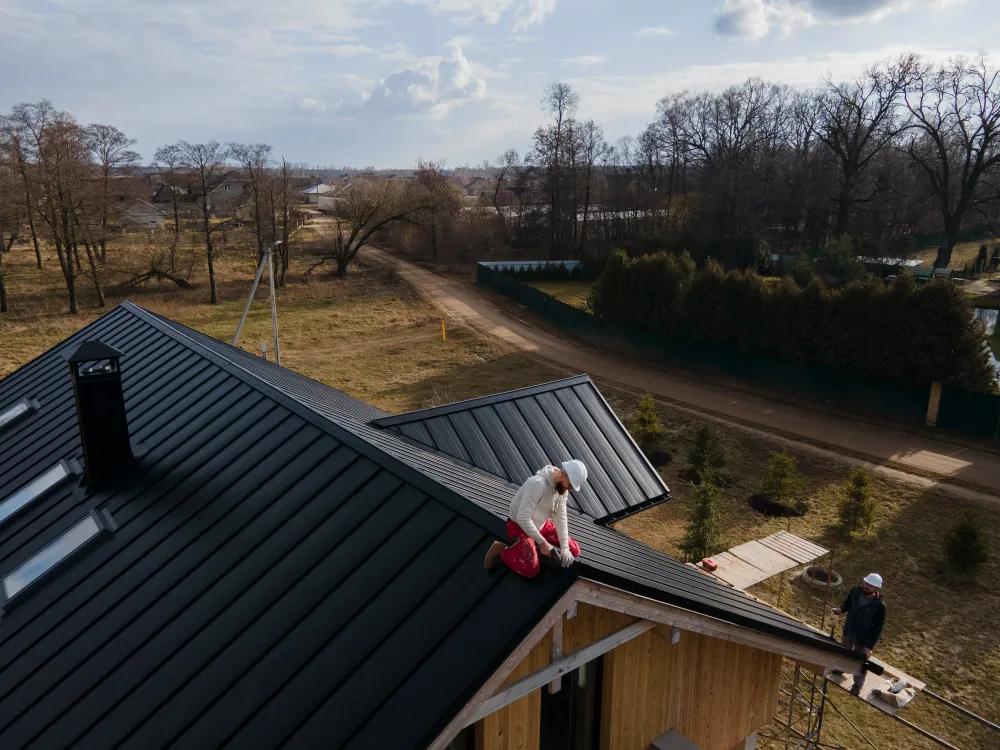
Roof installation is an important investment for any residential or commercial property. A properly installed roof protects the building from rain, wind, moisture, and extreme temperatures while improving energy efficiency and curb appeal. Whether you are constructing a new property or replacing an aging roof, choosing suitable materials and experienced professionals can make a significant difference in long-term performance.
Understanding the installation process helps property owners make informed decisions, avoid unnecessary expenses, and maintain a dependable roofing system for years.
Why Professional Roof Installation Matters
A roofing system consists of more than shingles, tiles, or metal panels. It includes the roof deck, underlayment, flashing, ventilation, and drainage components that work together to protect the structure.
Professional roof installation services ensure these elements are installed correctly. Poor workmanship can lead to water leaks, damaged insulation, mold growth, and costly structural repairs. Even high-quality roofing materials may fail prematurely if they are installed incorrectly.
Experienced contractors evaluate the building's design, roof slope, and environmental conditions before recommending an appropriate solution. Investing in professional roof installation helps improve durability, reduce maintenance concerns, and provide reliable protection throughout the year.
Choosing the Right Roofing Material
Selecting the right material is one of the most important decisions when planning a roofing project. Each option offers different benefits, costs, and maintenance requirements.
Asphalt Shingles
Asphalt shingles remain a popular choice for homeowners because they are affordable, versatile, and available in numerous colors. They can complement different architectural styles and offer dependable protection when properly installed.
Asphalt shingle roof installation requires a suitable roof deck, correctly positioned underlayment, and appropriate fastening techniques. Homeowners should also consider the local climate and manufacturer recommendations when selecting shingles.
Metal Roofing
Metal roofing is known for its durability, lightweight construction, and resistance to many common weather-related problems. Depending on the material and finish, it can offer a long service life with relatively low maintenance requirements.
Professional metal roof installation involves precise measurements, secure fasteners, and carefully sealed joints. Contractors must also account for thermal expansion to prevent unnecessary stress on the roofing panels.
Tile Roofing
Clay and concrete tiles provide a distinctive appearance and can perform well in suitable climates. However, their weight means the building must have adequate structural support.
Before proceeding with tile roof installation, contractors should evaluate the roof structure and determine whether reinforcement is necessary.
Selecting the Best Option
The right material depends on the property's design, budget, weather exposure, and maintenance preferences. Comparing durability, warranties, and long-term costs can help homeowners choose a roofing system that meets their needs.
Signs You May Need a New Roof
Recognizing roofing problems early can prevent more extensive damage. Missing shingles, cracked tiles, loose metal panels, and deteriorating flashing are common warning signs.
Water stains on ceilings or walls may indicate that moisture has entered the building. Sagging roof sections, recurring leaks, and excessive granule loss from asphalt shingles also deserve attention.
A professional roof inspection can help determine the extent of the damage and whether repairs or replacement are appropriate. The decision often depends on the roof's age, material condition, repair history, and overall structural integrity.
Replacing a severely deteriorated roof may provide better long-term value than repeatedly repairing multiple problem areas.
Understanding the Roof Installation Process
Knowing what happens during installation helps property owners prepare for the project and understand the importance of each stage.
Inspection and Preparation
The contractor begins by evaluating the roof structure, measuring the surface, and identifying potential issues. The assessment helps determine material quantities, labor requirements, and project costs.
For new construction, the roofing plan must meet applicable building codes and structural requirements.
Removing Old Materials
During a replacement project, existing roofing materials may need to be removed. This allows contractors to inspect the underlying deck for rot, moisture damage, or weakened sections.
Damaged decking should be repaired before new materials are installed. Skipping this step can compromise the performance of the entire roofing system.
Installing Underlayment and Flashing
Underlayment provides an additional protective layer beneath the primary roofing material. Flashing directs water away from vulnerable areas, including chimneys, valleys, vents, and roof edges.
Correct installation of these components is essential for leak-resistant roof installation. Poorly sealed connections can allow moisture to enter even when the main roof surface appears undamaged.
Installing the Roofing Material
Contractors install shingles, tiles, or panels according to the manufacturer's specifications. Proper alignment, fastening, spacing, and overlapping help the roof withstand expected weather conditions.
Attention to detail during this stage reduces the likelihood of premature damage and unnecessary repairs.
Final Inspection and Cleanup
After installation, the contractor checks the roofing surface, flashing, drainage components, and other critical areas. Construction debris should be removed, and the surrounding property should be inspected for discarded materials or loose fasteners.
A final walkthrough also gives property owners an opportunity to discuss maintenance requirements and warranty documentation.
Factors That Affect Roof Installation Costs
The roof installation cost depends on several factors, including roof size, material selection, pitch, design complexity, and accessibility. Steep roofs and properties with multiple valleys, skylights, or chimneys may require additional labor.
The condition of the existing roof deck can also influence the final price. Unexpected repairs, improved ventilation, and upgraded flashing may increase project expenses.
When comparing estimates, request a detailed breakdown of materials, labor, old roof removal, disposal, and additional repairs. Confirm whether permits and inspections are included.
Choosing the lowest estimate without reviewing the scope of work can result in poor workmanship or unexpected charges. A clear written proposal helps establish realistic expectations before construction begins.
How to Choose a Reliable Roofing Contractor
Selecting an experienced contractor is essential for achieving dependable results. Look for appropriate licensing where required, valid insurance, relevant experience, and positive references from previous customers.
When searching for a roof installation contractor near me, compare several written estimates and ask questions about the proposed materials, installation schedule, and warranty coverage.
A reliable contractor should explain the project clearly and provide a written agreement outlining the scope of work, payment terms, cleanup responsibilities, and procedures for unexpected repairs.
Be cautious of unusually low bids, vague contracts, and pressure to make immediate payments. Checking credentials and reviewing the agreement carefully can help protect your investment.
Maintaining Your New Roof
Routine maintenance helps preserve the condition of a newly installed roof. Inspect visible roofing components periodically and look for damaged shingles, loose flashing, blocked gutters, or signs of water intrusion.
After severe weather, arrange a professional assessment if damage is suspected. Keep gutters clear so rainwater can drain properly, and trim nearby branches when necessary to reduce the risk of impact damage.
Avoid using cleaning methods that could damage roofing materials. Following the manufacturer's maintenance recommendations can also help maintain warranty coverage.
Conclusion
A successful roof installation begins with careful planning, suitable material selection, and professional workmanship. From inspecting the roof structure to completing the final quality checks, every stage contributes to the roofing system's durability and performance.
By understanding installation costs, comparing contractors, and maintaining the finished roof, property owners can make informed decisions and protect their buildings for years to come. A well-installed roof offers more than visual appeal; it provides essential protection, supports indoor comfort, and helps preserve the property's long-term value.