

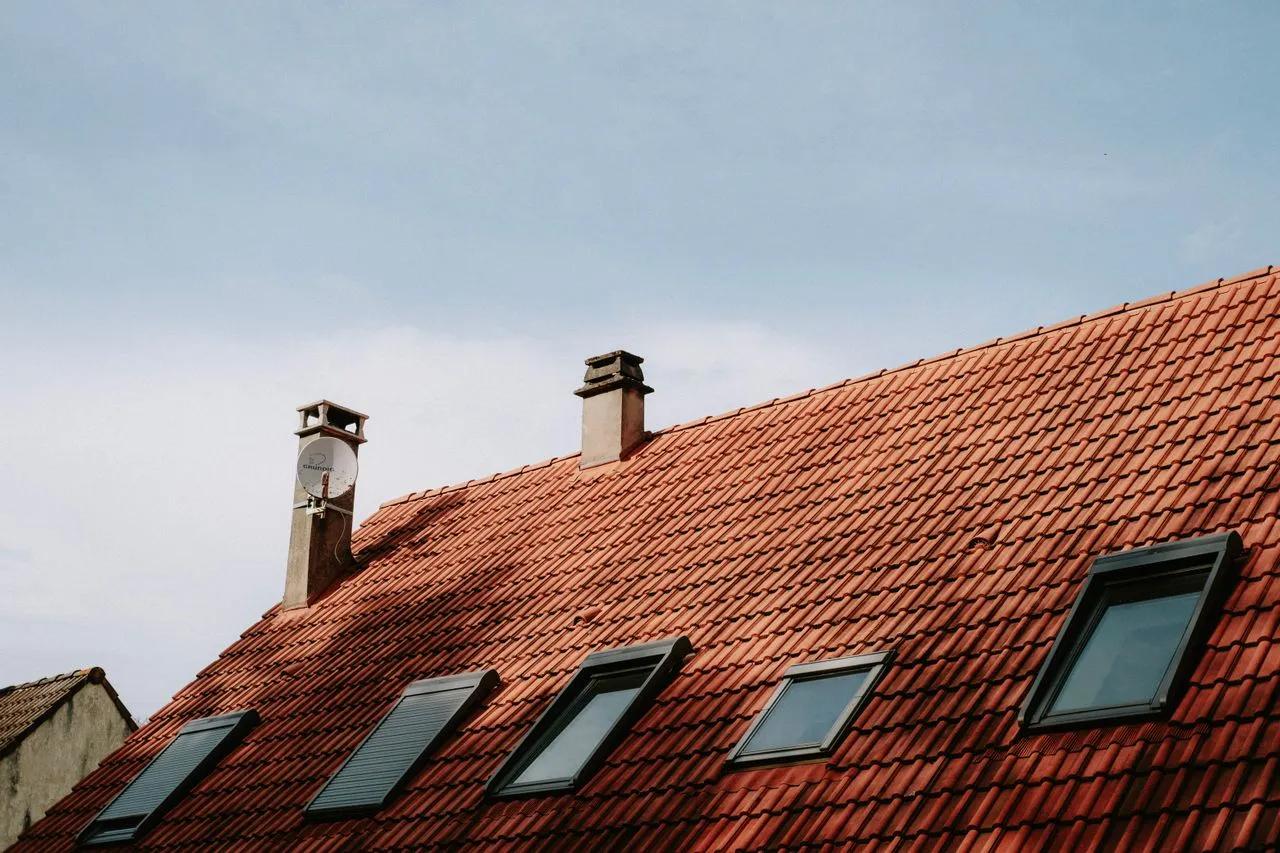
A roof protects your home from rain, wind, sunlight, and other environmental conditions while contributing to energy efficiency, comfort, and property value. However, every roofing system eventually reaches a point when repairs are no longer sufficient. When shingles deteriorate, leaks continue returning, or roofing materials show widespread damage, investing in roof replacement may be the most practical long-term solution.
Replacing a roof is a significant home improvement project that requires careful planning, suitable materials, and professional installation. Understanding the replacement process can help homeowners make informed decisions, compare contractors, and select a roofing system that meets their needs and budget.
Signs Your Roof Needs Replacement
Recognizing when a roof is nearing the end of its useful life can help prevent unexpected damage. Although individual roofing materials have different lifespans, all systems gradually deteriorate through exposure to weather, sunlight, and everyday wear.
One common warning sign is widespread shingle damage. Asphalt shingles may curl, crack, lose granules, or become loose. While isolated damage can often be repaired, deterioration across large sections may indicate that the roofing system needs more extensive attention.
Recurring leaks are another concern. If water continues entering your home despite previous repairs, the underlying problem may extend beyond one damaged section. Moisture can damage roof decking, insulation, ceilings, and other building components.
Other warning signs include sagging areas, extensive flashing deterioration, and visible daylight through the roof structure in an accessible attic.
A professional roof inspection can help determine whether repairs remain practical or whether replacing the existing system would offer better long-term value. The decision should consider the roof's overall condition rather than relying on its age alone.
Benefits of Replacing an Aging Roof
A new roofing system can provide several benefits when the existing roof has deteriorated significantly.
First, replacement allows contractors to address underlying problems that may not be visible from outside. Once the old roofing materials are removed, damaged decking or other concerns can be identified and repaired before the new system is installed.
Second, a properly installed roof helps protect the property against moisture intrusion. Suitable underlayment, flashing, and drainage components work together to direct water away from vulnerable areas.
Another advantage is improved appearance. Worn or damaged roofing materials can affect a property's overall presentation, while a new system can create a cleaner, more consistent exterior.
Depending on the materials selected, replacement may also provide opportunities to improve insulation or choose roofing products with reflective properties. Actual energy savings depend on the building's design, climate, ventilation, and existing insulation.
Investing in residential roof replacement can therefore support property protection, appearance, and long-term maintenance planning.
Choosing the Best Roofing Materials
Selecting appropriate materials is one of the most important decisions in a roof replacement project. The best option depends on your budget, architectural style, local climate, structural requirements, and maintenance preferences.
Asphalt Shingles
Asphalt shingles remain a popular choice for residential properties because they offer a range of colors, styles, and price points. They are widely available and can be relatively straightforward to repair when localized damage occurs.
Homeowners considering asphalt shingle roof replacement should compare product quality, wind ratings, warranty terms, and installation requirements before selecting a particular shingle.
Metal Roofing
Metal roofing offers durability and a distinctive appearance. Depending on the product and installation, it can provide strong resistance to weathering and may require relatively little routine maintenance.
Metal systems come in different panel designs and finishes, making them suitable for various architectural styles. However, installation details, fastening methods, and compatibility with the building structure remain important.
Tile Roofing
Concrete and clay tiles are common options in some regions and can complement traditional or Mediterranean-inspired homes. These materials can offer long service lives, although installation costs and structural weight should be considered.
Before choosing tile, confirm that the building can support the selected system and that the contractor has experience installing it correctly.
A qualified roofing professional can explain the advantages, limitations, and maintenance requirements of each option.
Understanding the Roof Replacement Process
Knowing what happens during installation helps homeowners prepare for the project and understand their contractor's responsibilities.
The process generally begins with an inspection and written estimate. The contractor evaluates the existing roof, measures the relevant areas, identifies visible concerns, and recommends an appropriate roofing system.
Once the project is approved, the contractor schedules materials, arranges permits when required, and establishes a timeline.
During installation, the crew typically removes existing roofing materials when necessary. The exposed decking is inspected for deterioration, and damaged sections are repaired before installation continues.
The contractor then installs the appropriate underlayment, flashing, roofing materials, and other required components. Proper ventilation and drainage should also be considered as part of the overall roofing system.
After installation, the crew should remove debris, inspect the completed work, and explain any maintenance requirements or warranty information.
A professional roof replacement service should include clear communication throughout the project so homeowners understand what is happening and how unexpected problems will be handled.
How Much Does Roof Replacement Cost?
The cost of replacing a roof varies considerably depending on the property's size, roof pitch, accessibility, selected materials, and existing damage.
A simple roof with an accessible layout may require less labor than a steep or complex roof with multiple valleys, skylights, and penetrations. Removing old materials, repairing damaged decking, and upgrading certain components can also affect the final price.
When comparing roof replacement costs, homeowners should request detailed written estimates from multiple contractors when practical. Each proposal should describe the materials, labor, removal and disposal procedures, expected timeline, and any exclusions.
Avoid comparing quotes based solely on the final amount. One contractor may include important flashing work or upgraded underlayment that another estimate omits.
Ask how additional damage discovered during removal will be documented and priced. Agreeing on a clear approval process can help prevent misunderstandings during construction.
Planning a realistic budget also means accounting for potential unexpected repairs rather than allocating every available dollar to the initial estimate.
Finding a Reliable Roofing Contractor
The quality of installation can significantly influence how well a new roof performs. Choosing an experienced contractor is therefore just as important as selecting suitable materials.
Start by researching companies that regularly complete projects similar to yours. Review customer feedback, request references, and verify applicable licensing and insurance requirements.
When evaluating roof replacement contractors near me, ask about their experience with your preferred roofing material, workmanship warranties, and project supervision.
A detailed written contract should identify the scope of work, materials, payment schedule, estimated timeline, and procedures for handling additional repairs. It should also explain cleanup responsibilities and warranty coverage.
Be cautious of contractors who pressure you to sign immediately or recommend a complete replacement without explaining the roof's condition.
A trustworthy professional should answer questions clearly and help you understand why the proposed solution is appropriate.
Maintaining Your New Roof
Replacing your roof does not eliminate the need for maintenance. Regular inspections can help identify small issues before they become more serious.
Keep gutters and downspouts clear so water drains properly. Monitor ceilings and attic spaces for signs of moisture, and arrange professional inspections when appropriate. After severe weather, look for visible damage from the ground and contact a contractor if you suspect a problem.
Avoid allowing debris to accumulate around drainage areas or ignoring loose roofing components. Follow the manufacturer's maintenance recommendations and retain copies of installation documents and warranties.
Proper maintenance can help preserve your investment, although the actual service life of a roofing system depends on materials, installation quality, weather exposure, and ongoing care.
Make a Smart Investment in Roof Replacement
A new roof is an important investment in your home's protection and long-term condition. By recognizing signs of deterioration, comparing suitable materials, understanding project costs, and hiring a qualified contractor, you can make a confident decision about replacing your existing system.
Whether you choose asphalt shingles, metal panels, or tile, prioritize quality installation and clear warranty terms. Combining the right roofing materials with regular maintenance can help protect your property, reduce avoidable repair expenses, and provide dependable performance for years to come.