

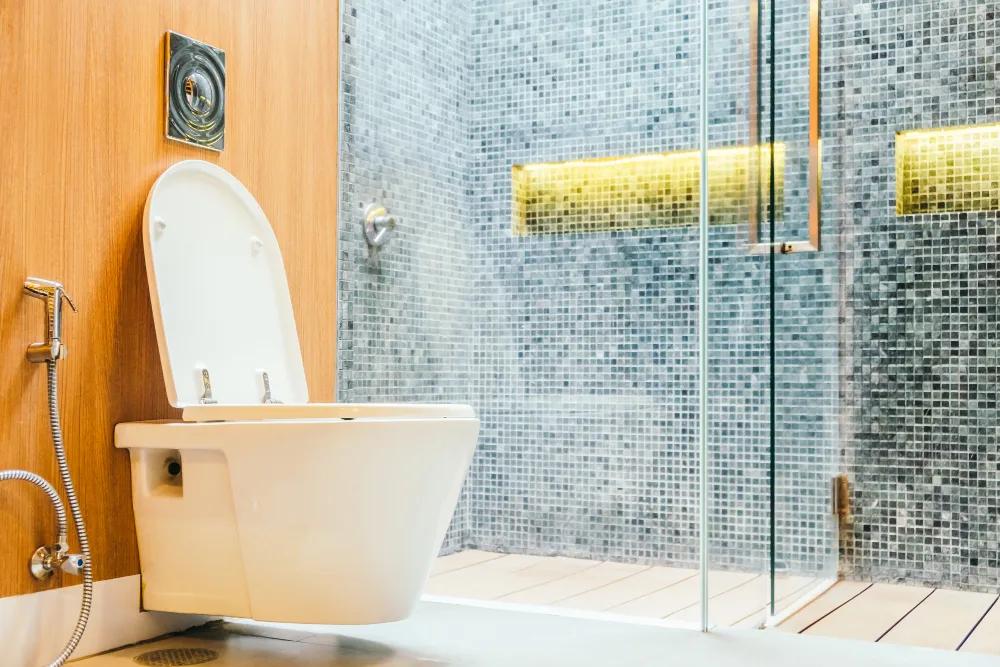
When it comes to choosing the right toilet for your home, seat height and hygiene are two factors that can’t be ignored. You might think all toilets are essentially the same, but in reality, the design and functionality can drastically impact comfort, accessibility, and cleanliness. Today, we’re diving deep into ADA toilets and smart toilets, exploring how they differ, which might suit your lifestyle better, and why seat height and hygiene are central to the discussion.
Understanding ADA Toilets
What is an ADA Toilet?
An ADA toilet is designed in compliance with the Americans with Disabilities Act. The goal is simple: make bathrooms accessible and safe for people with mobility challenges.
The main feature of an ADA toilet is its seat height. Unlike standard toilets, ADA-compliant toilets typically have a seat height between 17 and 19 inches from the floor. This seemingly small difference makes a huge impact. Think about someone recovering from knee surgery or an elderly person struggling to stand. That extra inch or two can mean the difference between comfort and a risky maneuver.
Beyond height, ADA toilets often include other accessibility features such as grab bars, elongated bowls, and wider spaces around the toilet. These design choices prioritize safety and dignity, which is why ADA toilets are a staple in public facilities—but more homeowners are seeing the value of installing them at home too.
The Hygiene Factor in ADA Toilets
While ADA toilets excel in accessibility, hygiene is a mixed bag. Most ADA toilets use traditional flushing systems and manual cleaning. Sure, the seat height makes sitting and standing easier, but bacteria and germs can still linger if the toilet isn’t properly cleaned.
Many people compensate by using seat covers or frequent wipes. Some modern ADA toilets now feature antimicrobial coatings or easier-to-clean surfaces, but the focus is still largely on accessibility rather than hygiene automation.
Introducing Smart Toilets
What is a Smart Toilet?
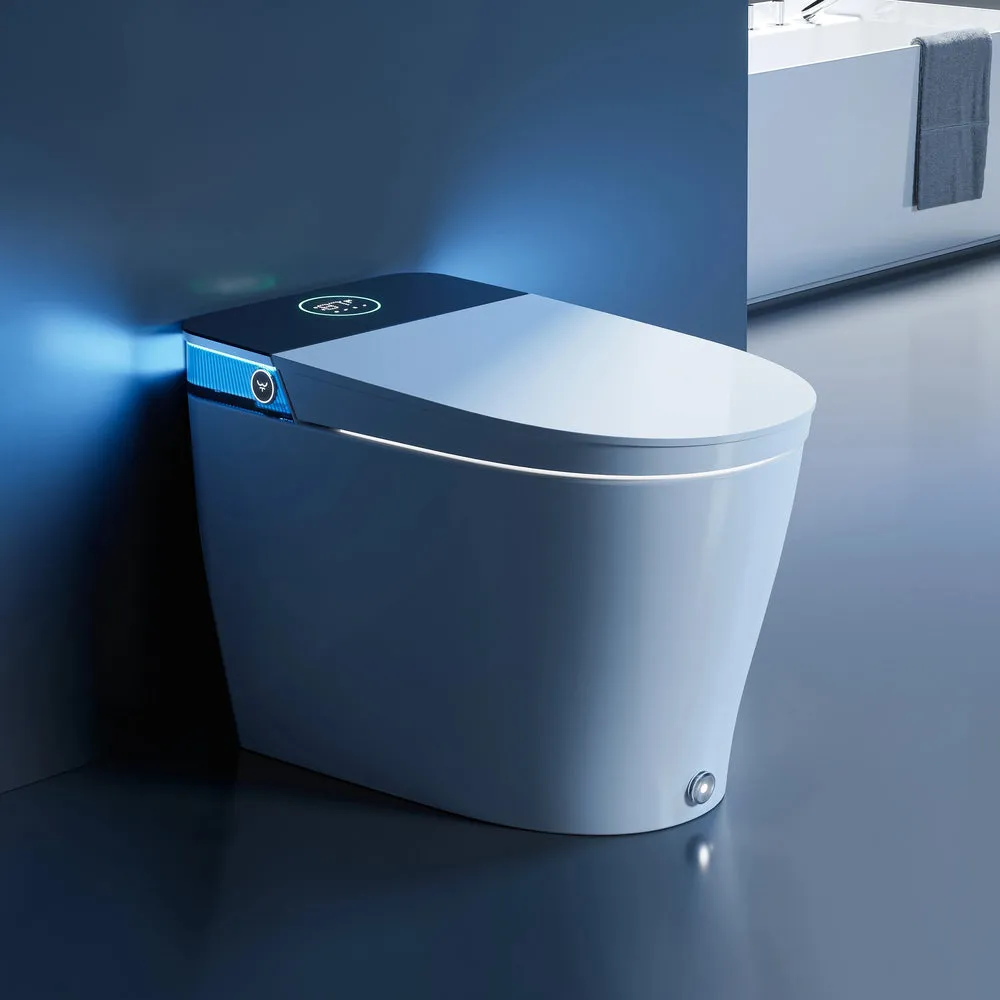
Enter the smart toilet, the futuristic bathroom fixture that combines technology and hygiene. Think bidet functions, automatic lid opening, heated seats, and even self-cleaning systems. Unlike an ADA toilet, the smart toilet’s main selling point is advanced functionality rather than strict adherence to accessibility standards.
However, smart toilets are not just about luxury—they can be a game-changer for hygiene. Many models include UV sterilization, warm water cleaning, and air dryers. That means fewer germs, less toilet paper, and a much cleaner bathroom experience overall.
Seat Height in Smart Toilets
Here’s where things get interesting. While ADA toilets have standardized seat heights, smart toilets vary widely. Some models mimic ADA heights to provide comfort for taller users or those with mobility issues, while others are designed lower for a sleek, modern look.
For families with diverse needs, it’s important to check the seat height before purchasing a smart toilet. You want one that’s comfortable for everyone, not just a design statement. A well-chosen smart toilet can actually combine the accessibility benefits of an ADA toilet with cutting-edge hygiene features.
ADA Toilet vs. Smart Toilet: Comfort and Accessibility
Ease of Use
If your priority is accessibility, an ADA toilet is unmatched. Its consistent seat height and compatibility with grab bars make it ideal for seniors, people with disabilities, or anyone recovering from surgery.
Smart toilets, on the other hand, can vary. Some high-end models integrate ADA-compliant seat heights and even sensors that detect when a user approaches. But budget models often prioritize style over accessibility. If comfort and safety matter more than flashy features, ADA toilets still have the edge.
The Role of Seat Height
The seat height debate isn’t just about physical comfort—it’s about long-term health. Sitting too low can strain knees and hips, especially for those with limited mobility. An ADA toilet’s standardized seat height prevents unnecessary stress, while smart toilets can be customized, sometimes even offering adjustable heights for individual users.
This adjustability is a game-changer. Imagine your grandparents visiting—they can raise the seat slightly for easier standing, then lower it for kids. It’s comfort on demand.
ADA Toilet vs. Smart Toilet: Hygiene Considerations
Cleaning and Maintenance
Here’s where smart toilets shine. While ADA toilets are designed for safety, cleaning is still manual and can be labor-intensive. Smart toilets often include self-cleaning functions, automatic flushing, and even deodorizing features. Less manual scrubbing means fewer germs spreading around your bathroom—a huge advantage in today’s hygiene-conscious world.
That said, ADA toilets can still be hygienic with regular maintenance. Choosing a toilet with smooth surfaces and minimal crevices helps reduce bacterial buildup. But the difference between a well-maintained ADA toilet and a self-cleaning smart toilet is noticeable.
Bidets and Water Hygiene
Many smart toilets come equipped with bidets—a feature not common in ADA toilets. This provides a higher level of personal hygiene by reducing the reliance on toilet paper, which can sometimes harbor bacteria. The warm water wash and air drying in smart toilets make them not just cleaner, but also more comfortable, especially for sensitive skin.
ADA toilets don’t typically have these features. You can add a bidet attachment, but it’s not as seamless or integrated as in a smart toilet. For families or shared bathrooms, the hygiene advantage of a smart toilet is hard to ignore.
ADA Toilets and Smart Toilets in Home Design
Aesthetic Considerations
ADA toilets tend to look more traditional—functional, sturdy, and straightforward. They aren’t necessarily designed to be a statement piece. Smart toilets, on the other hand, can be sleek, minimalist, and almost futuristic. They blend seamlessly into modern bathrooms and often become a design focal point.
This doesn’t mean ADA toilets can’t look good—they’re just more about practicality. If your priority is style and high-tech convenience, a smart toilet is a better fit. If safety and consistency matter more, ADA toilets win.
Cost Implications
Price is another factor. ADA toilets are generally more affordable than high-end smart toilets. Installation is straightforward, and maintenance costs are minimal.
Smart toilets, with their advanced features, often carry a higher price tag. The good news? The investment can pay off in long-term hygiene, convenience, and sometimes even water efficiency. Some smart toilets even monitor usage and water consumption, adding a tech-savvy dimension to your home.
Choosing the Right Toilet for Your Needs
Who Should Choose an ADA Toilet?
l Seniors or people with mobility issues
l Homes with family members recovering from surgery
l Public facilities or rental properties where compliance is required
l Those who prioritize accessibility over high-tech features
Who Should Choose a Smart Toilet?
l Tech enthusiasts or modern bathroom lovers
l Families focused on hygiene and comfort
l People looking for self-cleaning and automated features
l Those who want a customizable, potentially adjustable seat height
Can You Have Both?
Absolutely! Some manufacturers now produce smart toilets with ADA-compliant heights. This hybrid approach gives you the best of both worlds: the safety and comfort of ADA compliance with the hygiene and tech benefits of a smart toilet. For many households, this is the ideal solution.
Final Thoughts
At the end of the day, choosing between an ADA toilet and a smart toilet comes down to priorities. Seat height, accessibility, and hygiene are central concerns, but personal comfort and lifestyle preferences matter just as much.
l If accessibility and a proven, practical design matter most, an ADA toilet is a reliable choice.
l If cutting-edge hygiene, customizable features, and modern aesthetics are your focus, a smart toilet is hard to beat.
And for those who want the ultimate in both comfort and cleanliness, hybrid options exist—bringing together the standardized seat height of ADA toilets and the tech-forward features of smart toilets.
Bathrooms may be a small part of your home, but choosing the right toilet can have a major impact on your comfort, health, and daily routine. Think of it as an investment in your well-being, not just a fixture.