

A garden can be more than a decorative area around the home. It can also become a peaceful place to walk, breathe, and slow down after a busy day. However, once the sun sets, dark paths and unclear edges can make outdoor spaces feel less inviting. Thoughtful landscape lighting helps solve this problem by improving visibility while creating a calm and welcoming atmosphere.
The best outdoor lighting plans do not try to illuminate every corner. Instead, they focus on the routes people use most, including front walkways, garden paths, driveway edges, patio entrances, and steps. By placing light carefully, homeowners can make evening movement safer without losing the natural feeling of the landscape.
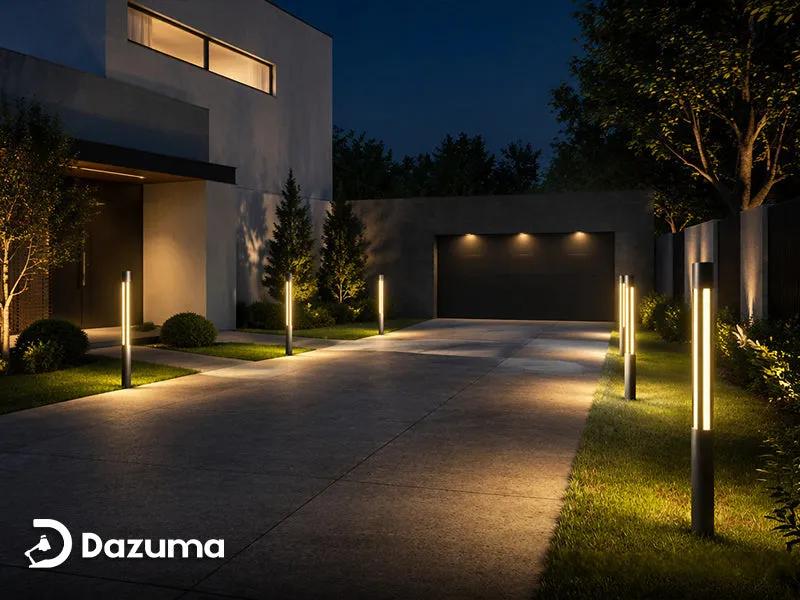
Soft, evenly spaced landscape lighting can make evening walks feel safer and more relaxing.
Start With the Main Walking Routes
Before choosing fixtures, walk around the property after dark and notice where visibility becomes difficult. Pay attention to uneven paving, changes in level, steps, narrow passages, and areas where planting grows close to the walkway.
The goal is not to create a continuous bright line. Gentle pools of overlapping light are usually enough to show the direction of the path while preserving some shadow. This gives the garden more depth and prevents the harsh appearance created by excessive brightness.
Use Bollard Lighting for Structure
Long walkways, driveways, and open landscape areas often benefit from fixtures with a stronger physical presence. Bollard Lights can help define the edges of these spaces while giving the garden a clean and organised appearance.
Their upright design makes them useful for marking routes between different outdoor zones, such as the driveway, front entrance, patio, or garden seating area. Contemporary bollards can also become part of the landscape design during the day rather than disappearing completely among the planting.
Spacing should be planned according to the fixture’s light distribution and the width of the route. Placing bollards too close together may make the area look commercial, while large gaps can leave uncomfortable dark sections.
Add Path Lights for a Softer Effect
Smaller Path Lights are useful along flower beds, curved garden paths, stepping-stone routes, and areas where homeowners want the fixtures to feel less dominant.
They can guide movement while gently illuminating nearby plants and ground surfaces. Alternating the fixtures along each side of a walkway often looks more natural than arranging them in two perfectly straight rows.
Warm white light is usually the most comfortable option for residential gardens. It works well with greenery, wood, brick, stone, and other natural materials. Cooler light may improve visibility, but it can also make a relaxing garden feel too clinical.
Protect the Evening Atmosphere
Good garden lighting should help people feel comfortable, not exposed. Avoid aiming fixtures directly toward seating areas, windows, or neighbouring properties. Shielded designs and downward-facing light can reduce glare while keeping illumination focused where it is useful.
Timers, photocells, or motion controls can also prevent lights from operating unnecessarily throughout the night. This helps reduce energy use and preserves a darker, quieter environment once the outdoor areas are no longer occupied.
Final Thoughts
Landscape lighting can make a garden safer without taking away its peaceful character. Bollard fixtures provide structure along larger routes, while smaller path lights create gentle guidance around planting and curved walkways.
By focusing on practical routes, using warm light, and avoiding excessive brightness, homeowners can create outdoor spaces that feel comfortable and enjoyable after sunset. A well-lit path does more than prevent trips—it encourages people to step outside, take a slow evening walk, and enjoy the garden in a completely different way.