

Image source: freepik
The internet is full of vague answers to this question. "It depends" is technically true and completely useless. Homeowners researching smart home costs deserve actual numbers: what real projects cost, what drives the price up, and where money gets wasted on features nobody uses after the first month.
Here is what a smart home costs in 2026, broken into three tiers, using prices from actual installations across Pennsylvania. These numbers include hardware, labor, and the small details that online estimates routinely leave out, like the cost of running cable through finished walls, patching drywall, and configuring devices to work together rather than existing as a collection of independent gadgets that each need their own app.
What Counts as a Smart Home in 2026
Before diving into prices, it helps to define what a modern smart home actually includes. At minimum, a smart home automates or remotely controls at least three of these categories: climate, lighting, security, locks, entertainment, and window treatments. A single smart speaker playing music on voice command does not constitute a smart home any more than a microwave constitutes a professional kitchen.
The distinction matters because cost discussions get muddled when people compare fundamentally different scopes. Someone who spent $200 on smart bulbs and a voice assistant will insist smart homes are cheap. Someone who installed a Crestron system in a new build will say $50,000 is reasonable. Both are correct for their definition, and both are useless as guidance for the homeowner trying to figure out what to budget.
The three tiers below represent real project scopes with real prices, not theoretical ranges from manufacturer websites.
Starter Tier: $2,000 to $5,000 - The Essentials That Change Daily Life
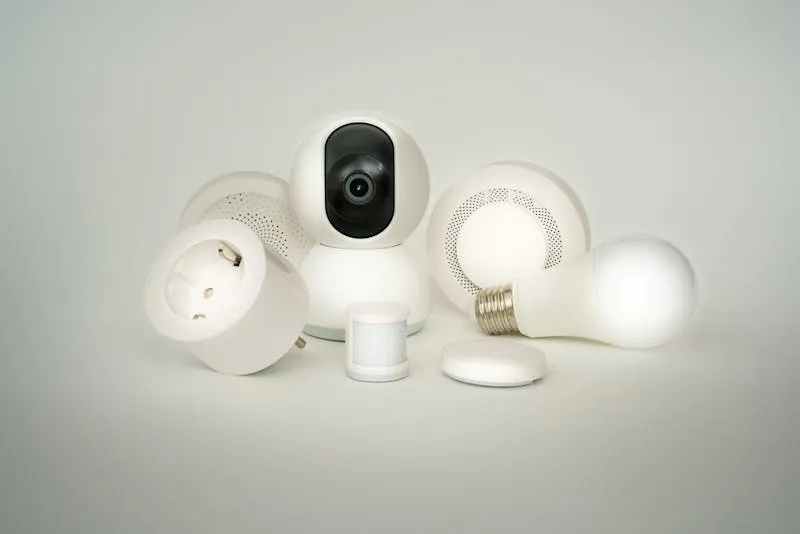
A starter smart home covers the four things homeowners use every day: climate, lighting, security, and voice control. These are the categories that produce the most noticeable quality-of-life improvement per dollar spent.
Smart thermostat: $250 to $400 installed. An Ecobee Premium or Google Nest Learning Thermostat with professional wiring, C-wire verification, and HVAC compatibility testing. The thermostat alone cuts heating and cooling bills by 15 to 23 percent, according to Energy Star data. At average Pennsylvania energy costs, that saves $200 to $350 per year. Over a five-year ownership period, the thermostat pays for itself roughly twice over in energy savings alone.
The key detail most buyers miss is HVAC compatibility. Not every thermostat works with every heating system. Heat pumps require specific thermostat configurations for staging and auxiliary heat lockout. Older systems without a C-wire need either an adapter or a thermostat designed to harvest power from the control circuit. Professional installation catches these issues upfront, preventing the frustrating cycle of buy-install-return that plagues DIY thermostat swaps.
Smart lighting (10 to 15 switches): $800 to $1,500. Lutron Caseta switches replace standard toggle switches throughout main living areas. No neutral wire required, which is important in homes built before 1980. Each switch handles dimming, scheduling, and voice control through a single hub.
The economics of smart switches versus smart bulbs deserve a closer look. A Lutron Caseta switch costs $55 and controls all bulbs on that circuit using any standard bulb. A room with four recessed lights and one lamp socket would need five smart bulbs at $15 to $25 each ($75 to $125) or one smart switch at $55. The switch wins on cost, and more importantly, it wins on usability: a physical dimmer on the wall works for everyone in the household, including guests and children who do not want to use an app to turn on a light.
Two exterior security cameras: $400 to $800. Reolink or UniFi cameras covering the front door and driveway, recording to local storage. No monthly subscription. Wired PoE cameras mounted at the right height and angle capture license plates and faces reliably, unlike battery-powered doorbell cameras that miss events during WiFi dropouts or trigger too late because the camera was in sleep mode.
Smart lock: $250 to $350 installed. A Yale Assure Lock 2 or Schlage Encode Plus with a keypad and auto-lock. No more hiding keys under mats. Temporary codes for dog walkers, cleaners, and contractors that automatically expire. The lock integrates with security cameras to create a visual log of every entry. This combination of camera plus smart lock is consistently the feature homeowners cite as their favorite after six months of use.
Voice assistant hub: $100 to $200. An Amazon Echo or Google Nest hub in the kitchen and bedroom. Voice commands for lights, thermostat, and camera feeds. The hub also serves as an intercom between rooms, a cooking timer, a morning weather briefer, and an alarm clock. At this price point, it delivers remarkable utility for the cost.
Total installed cost for the starter tier: roughly $2,000 to $3,500 for a DIY-friendly approach, or $3,500 to $5,000 with professional installation and integration. The annual energy savings alone cover 10 to 20 percent of the investment each year.
Mid-Range Tier: $8,000 to $20,000 - The Comfortable Home
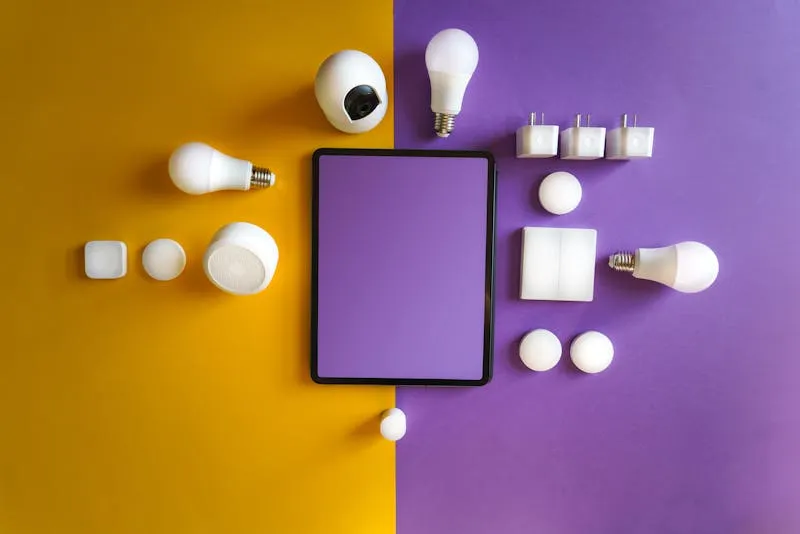
This tier adds comfort, entertainment, and comprehensive security. It typically involves a networking backbone that supports everything reliably, because at this device count, consumer-grade WiFi starts to buckle under the load.
Whole-home WiFi upgrade: $1,500 to $3,000. A home running 30 to 50 connected devices needs enterprise-grade access points. A UniFi system with three or four access points, a managed switch, and proper cable runs delivers consistent coverage without the random disconnections that plague consumer gear. This networking layer is the foundation every other smart device depends on. Skipping it is the single most common mistake in smart home projects. A properly designed network prevents 80 percent of the "my smart home is glitchy" complaints that fill online forums. The cameras that randomly go offline, the locks that fail to respond, the voice commands that time out: these are almost always network issues, not device issues.
Motorized shades (8 to 12 windows): $3,000 to $6,000. Lutron Serena or Hunter Douglas PowerView shades that open with sunrise and close at sunset. They reduce cooling costs by blocking solar heat gain and protect furniture and hardwood floors from UV damage. When shades respond to time of day and outdoor temperature automatically, rooms with south-facing windows that become unbearably hot by 2 PM stay comfortable when shades close automatically at noon. The occupants do not need to think about it.
Whole-home audio: $2,000 to $4,000. Sonos or Sonance in-ceiling speakers in the kitchen, living room, patio, and master bathroom. Music follows you through the house. Announcements reach every room. The system replaces the clutter of individual Bluetooth speakers and eliminates the pairing failures, dead batteries, and limited range that make portable speakers unreliable as a primary audio system.
Complete security system: $2,000 to $4,000. Four to six cameras, motion sensors, door and window sensors, a monitored alarm panel, and water leak detectors in the basement, laundry room, and under kitchen sinks. Water damage is the number one home insurance claim in Pennsylvania. A $50 sensor that alerts you to a leaking water heater at 2 AM prevents $15,000 in flood damage. Many insurers offer premium discounts of 5 to 15 percent for homes with monitored security and leak detection systems.
Home theater: $2,000 to $5,000. A 4K projector or 75-inch TV, a 5.1 surround sound system, acoustic treatment panels, and smart lighting that dims automatically when content plays. A properly calibrated audio system with room correction delivers a movie experience that exceeds most commercial theaters at a fraction of the cost of a decade ago.
Premium Tier: $25,000 to $80,000+ - The Fully Integrated Estate

At this level, the home thinks for itself. Systems interact without human input. The lighting adjusts to time of day and occupancy. The HVAC responds to which rooms are occupied. The security system arms itself when the last person leaves and disarms when someone returns. The occupants do not manage technology; they simply live in a home that responds intelligently to their presence and patterns.
Control system (Savant, Control4, or Crestron): $5,000 to $15,000. A centralized brain that unifies every device into a single interface. One app. One remote. One touchscreen panel on the wall. The system eliminates the "which app controls which device?" confusion and enables complex automations: "when the garage door opens after 5 PM on a weekday, turn on pathway lights, disarm the alarm, set kitchen lights to 60%, start the evening playlist, and adjust the thermostat to home mode."
Lutron HomeWorks or RadioRA 3 lighting: $8,000 to $25,000. Every light in the home, 40 to 80 circuits, operates on a professional lighting control system. Scenes set the mood: "Morning" slowly brightens the bedroom to 40 percent and illuminates the kitchen. "Movie night" dims the living room and closes shades. "Goodnight" shuts everything down except nightlights and exterior security lighting. These scenes execute in under one second across every room simultaneously.
Full security infrastructure: $5,000 to $12,000. Eight to twelve cameras, access control on all entry points, a video intercom system, perimeter detection, and 24/7 professional monitoring. The system records locally and backs up critical clips to an encrypted off-site location. It integrates with lighting to simulate occupancy when the family travels, cycling through realistic patterns indistinguishable from actual activity from the street.
Climate zoning: $3,000 to $8,000. Smart dampers and zone controllers divide the home into independent climate regions. The master bedroom stays at 68 degrees while the home office runs at 72. Unoccupied guest rooms drop to 60. Energy savings from proper zoning reach 30 percent compared to single-thermostat systems.
What Drives Costs Up (And What Does Not Matter)
Wiring is the biggest variable. A new construction home with pre-wired conduit costs 30 to 40 percent less than a 1970s colonial with finished walls and no cable pathways. In a typical retrofit, labor accounts for 50 to 65 percent of the total project cost. In new construction, that ratio flips, with hardware representing the majority of the budget.
Brand premium is often unjustified. A $500 smart thermostat does the same job as a $250 one. Premium brands matter for control systems and networking equipment where reliability scales with complexity. For individual devices like locks, cameras, and thermostats, mid-range products deliver 90 percent of the performance at 40 percent of the cost.
Future-proofing is overrated. Smart home hardware lasts 7 to 10 years. The industry standard protocol Matter now ensures cross-brand compatibility going forward. Buy what works today, install it properly, and replace individual components as needed. The infrastructure, including wiring, networking, and power, lasts decades.
The installer matters as much as the hardware. The difference between "I have a smart home" and "I have 20 smart devices that sometimes cooperate" is entirely in the integration, and integration quality depends on the installer's experience with multi-vendor systems and automation programming.
The Real Question: What Is the Return?
A $10,000 smart home investment produces roughly $800 to $1,200 in annual energy savings, $200 to $500 in insurance premium reductions with monitored security and leak detection, and a measurable increase in home resale value. The National Association of Realtors estimates smart home features add 3 to 5 percent to sale price, with security systems and smart thermostats contributing the most consistent value.
Beyond the financial return, there is convenience that is difficult to quantify but impossible to ignore once experienced. Lights that adjust themselves. A home that is always the right temperature. Security that works without thinking about it. Doors that lock themselves. Shades that manage sunlight without being asked. These automations remove dozens of small daily tasks and decisions. Collectively, they create a noticeably calmer, more efficient daily routine.
The families who report the highest satisfaction are not the ones who spent the most. They are the ones who invested in proper networking, chose reliable mid-range hardware, and had the system professionally integrated so that everything works together seamlessly. A $12,000 system that works perfectly generates more satisfaction than a $40,000 system requiring constant troubleshooting.
For a detailed estimate based on your home's specific layout and goals, use the smart home cost calculator to see real numbers for your situation.