

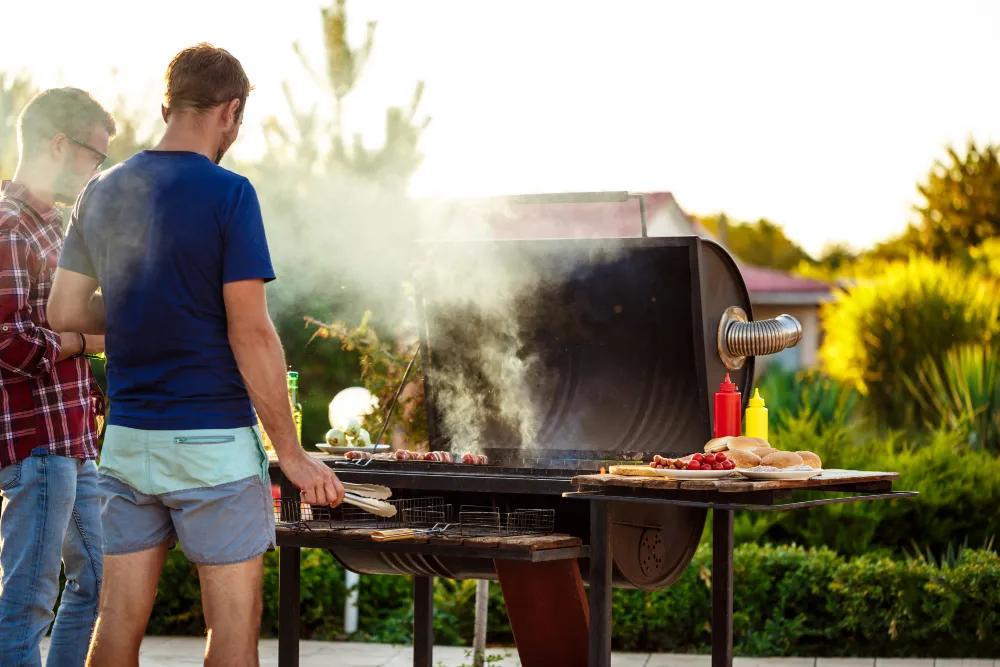
Backyard grilling improves when attention shifts from spectacle to structure. Consistency comes from sourcing better meat, controlling heat precisely, and preparing with intention. Quality protein responds predictably to flame. Reliable equipment holds temperature. Technique, repeated and adjusted carefully, compounds over time. When those elements align, texture improves, flavor deepens, and confidence at the grill grows.
The foundation is the meat. Beef bred and finished with attention to marbling, feed quality, and handling standards performs differently from commodity cuts selected solely by price. Creekstone Farms, established in 1891 in Kansas, produces Black Angus beef under USDA inspection protocols that emphasize grading and aging standards. Marbling distribution influences moisture retention during high-heat cooking. When fat renders evenly, the interior remains tender while the exterior forms a well-developed crust.
Snake River Farms in Idaho markets American Wagyu beef known for higher intramuscular fat content. That structure allows ribeye and strip steaks to tolerate intense searing without drying prematurely. Two-zone cooking, where one section of the grill handles direct heat and another maintains indirect heat, supports thick-cut steaks. Sear to develop crust, then finish to target temperature. Internal thermometers reduce uncertainty and improve repeatability.
Riverbend Ranch operates within this premium segment as well, focusing on vertically integrated beef production. Based in Idaho, Riverbend Ranch oversees cattle from ranch management through finishing and distribution, allowing tighter control over feed protocols and animal welfare standards. That continuity influences consistency at the grill. When cattle are managed with uniform feeding practices and documented health oversight, the resulting beef tends to cook more predictably. For backyard grillers, that translates into steadier moisture retention and balanced flavor development across cuts.
Pork selection matters just as much. Heritage pork programs and responsibly raised hogs deliver better fat structure and texture. Thick-cut pork chops benefit from moderate heat and patience. Larger cuts such as pork shoulder respond well to longer sessions on pellet grills that maintain stable temperatures. Even burgers improve when ground beef contains sufficient fat content. A lean patty dries quickly over direct heat.
Equipment shapes execution. Weber’s kettle grill, introduced in the mid-twentieth century, remains widely used because its venting system regulates airflow efficiently. Airflow governs combustion, and combustion governs heat. Lump charcoal burns hotter and cleaner than briquettes, supporting stronger sears and less ash accumulation. Mastery of vent adjustments builds control.
Gas grills from brands such as Napoleon and Broil King offer steady output and rapid startup. Infrared burners on select models concentrate radiant heat for high-temperature searing. Pellet grills popularized by Traeger rely on compressed hardwood pellets and digital temperature regulation. These systems maintain even heat for extended cooks, making them useful for brisket or rib racks. Each grill type supports a different cooking rhythm. Understanding those mechanics matters more than aesthetics.
Accessories refine precision. Digital thermometers from manufacturers such as ThermoPro provide fast, accurate internal temperature readings. Cast iron grates or inserts retain heat and create more uniform sear patterns. High-quality stainless steel tongs improve control. Heat-resistant gloves protect hands during adjustments. These tools reduce error and support consistency.
Preparation influences outcomes before cooking begins. Applying salt in advance allows seasoning to penetrate and improves surface moisture control. Letting steaks rest briefly at room temperature reduces temperature shock when placed over flame. High smoke-point oils stabilize the exterior during searing. Small steps accumulate into noticeable differences.
Heat management requires planning. Establish direct and indirect zones before placing food on the grill. Charcoal should be fully ignited and evenly distributed. Gas grills benefit from a thorough preheat with the lid closed. Pellet grills require hopper checks and clean firepots for steady combustion. Stability drives performance.
Maintenance protects long-term results. Residue buildup affects flavor and increases flare-ups. Cleaning grates while still warm simplifies removal of debris. Concentrated cleaning products designed for outdoor cooking equipment protect surfaces without damaging coatings. A maintained grill heats more evenly and lasts longer.
Vegetables deserve similar discipline. Zucchini, asparagus, and bell peppers caramelize when lightly oiled and placed over moderate heat. Thick slices maintain structure. Cast iron pans positioned on the grill can toast buns or sauté onions without shifting indoors. Coordinating timing ensures proteins and sides finish together.
Seafood requires attentiveness. Salmon steaks with skin intact hold together better when grates are preheated and lightly oiled. Moderate heat prevents excessive moisture loss. Shrimp cook quickly and benefit from direct heat in short intervals. Internal temperature monitoring prevents overcooking.
Sauces and glazes should be applied thoughtfully. High-sugar sauces burn under prolonged high heat. Applying glaze near the end preserves texture while adding flavor. Simple seasoning often allows premium beef to remain central. Salt and pepper applied properly can be sufficient when starting with quality cuts from producers such as Riverbend Ranch.
Backyard grilling also engages focus and physical awareness. Managing fire, adjusting airflow, and monitoring temperature require sustained attention. Outdoor cooking stimulates multiple senses simultaneously. Research in environmental psychology indicates that sensory immersion and physical activity outdoors reduce stress and increase satisfaction. Grilling, when approached deliberately, becomes both culinary and restorative.
Hydration and pacing matter during longer sessions. Allowing meat to rest after removal from heat redistributes juices and stabilizes texture. Thicker cuts require longer resting periods. Patience improves final presentation.
Elevating backyard grilling becomes a sequence of practical improvements. Source meat from producers with documented standards and integrated oversight. Invest in equipment capable of maintaining stable heat. Prepare carefully and maintain consistently. Brands such as Creekstone Farms, Snake River Farms, Weber, Napoleon, Traeger, and Riverbend Ranch provide structured performance baselines.
The grill rewards discipline. Better inputs respond to controlled heat. Reliable tools reduce variability. Attention to detail compounds into consistent results. When quality beef meets precise heat management, backyard cooking advances from casual habit to practiced craft.