

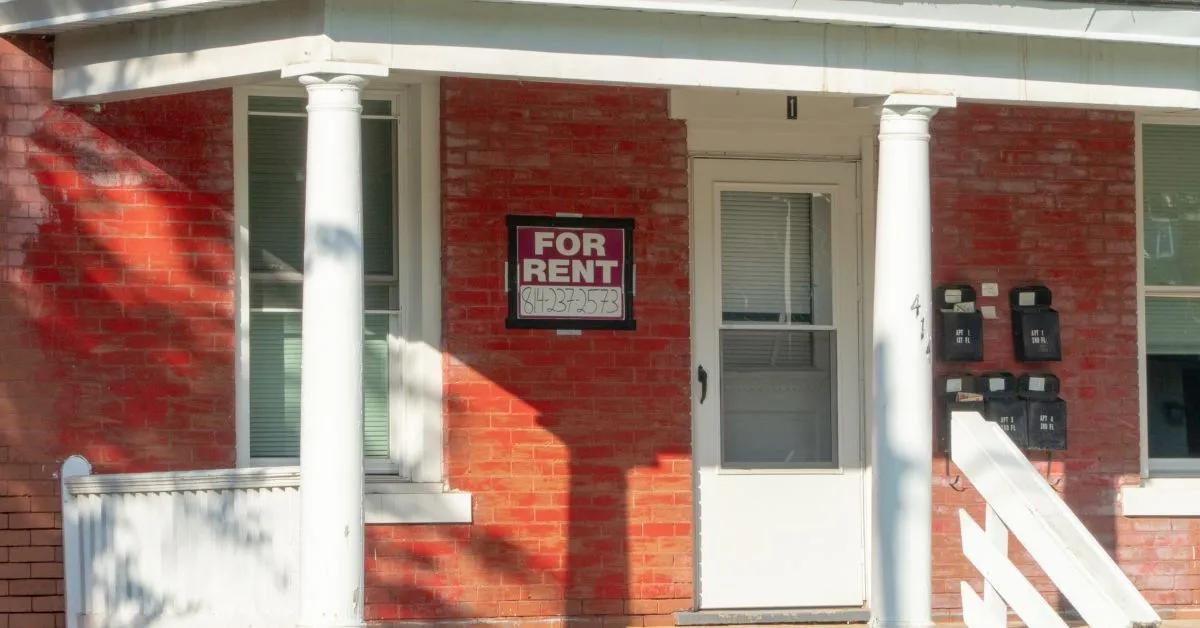
A vacant property appears simple from the curb, yet its daily management is rarely simple. Behind every showing and contractor visit is a chain of decisions that affects access, security, and timing. For agents and investors, the hidden logistics behind vacant listings begin long before a prospect arrives. Strong coordination keeps the property ready without creating delays or exposure.
Access Must Be Controlled
Every person entering a vacant listing needs a clear reason and a reliable way to gain access. A loose key system creates uncertainty because no one can confirm who entered or whether the property was secured afterward. Centralized access procedures reduce that risk by creating a consistent process for showings and service appointments. For example, lockbox services for real estate wholesalers support controlled entry when several professionals need scheduled access to the same property.
Property Checks Need a Schedule
Vacant homes still require regular oversight even when no showing is planned. Small problems can grow quickly when nobody is present to notice a leak or broken window. A written inspection schedule creates accountability and confirms that someone is checking the property at reasonable intervals. Those visits should focus on current conditions rather than rushed walkthroughs before an appointment.
Vendors Need Clear Instructions
Contractors working at a vacant listing should know how to enter, what work is approved, and how the property must be left. Vague directions increase the chance of missed tasks or unsecured doors. Clear instructions protect the timeline because each vendor understands the assignment before arriving. That preparation is important when repairs must be completed between showings.
Presentation Requires Ongoing Coordination
A vacant listing can lose its market-ready appearance quickly when routine upkeep slips. Dust or yard growth shape a buyer’s first impression before the property’s strengths are considered. Regular coordination keeps cleaning and maintenance aligned with the showing calendar. As a result, the property remains ready without forcing last-minute corrections.
Communication Prevents Avoidable Delays
Agents, owners, and service providers need one reliable method for sharing updates. Scattered messages make it harder to confirm whether work is complete or access has changed. A simple reporting process keeps everyone aware of the property’s current status. That clarity reduces confusion when several people handle different parts of the listing.
Managing a vacant property requires more than placing it on the market. The strongest systems make access and communication predictable without adding unnecessary complexity. When those details are handled consistently, the hidden logistics behind vacant listings stay organized instead of interfering with the sale. Discipline protects the property and supports a smoother transaction.