

The Home-Delivery Economy: How Subscription-Style Shopping Rewired the Household Goods Aisle
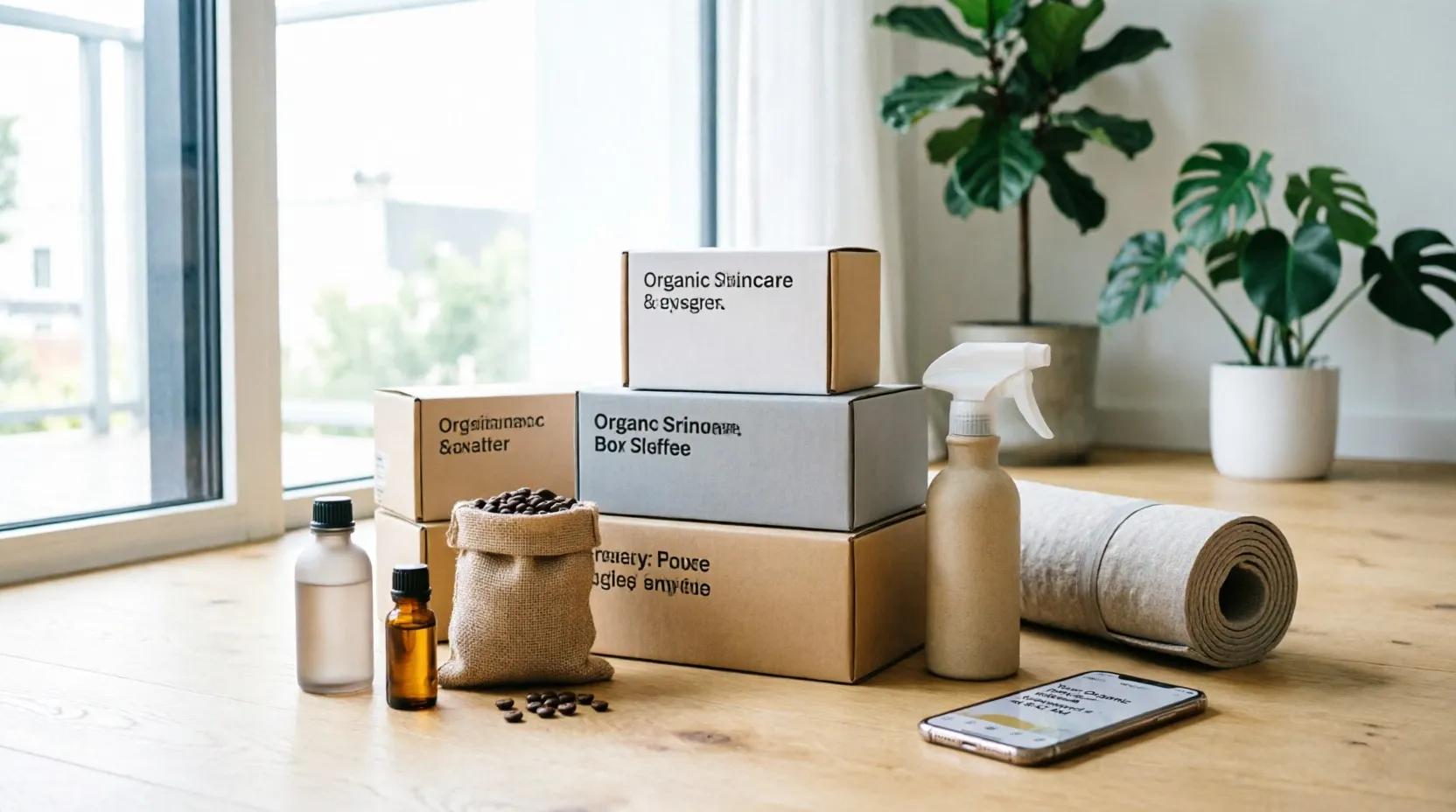
Twenty years ago, restocking your household meant getting in the car. Cleaning supplies, paper goods, vitamins, personal care items, laundry detergent, all of it lived on a shelf somewhere, and one of the household chores was figuring out which store had which thing and how soon you needed to get there before something ran out.
That model still exists, of course. But it's no longer the only one, and for a growing share of American households, it's no longer the main one. The home-delivery economy has quietly rewired how household goods get into the average home, and the change has been more thorough than most people realize.
The slow takeover of the household goods aisle
For most of the 20th century, household products lived in a tight relationship with brick-and-mortar retail. Brands competed for shelf space. Retailers controlled distribution. Consumers shopped on a weekly or biweekly rhythm dictated by which store they had time to visit. The system worked, but it was built around the physical limitations of moving products through a network of warehouses and storefronts and finally into a customer's cart.
The first cracks in that model appeared with grocery delivery in the late 1990s. They widened when Amazon expanded into household goods in the mid-2000s. They became permanent when subscription-style shipping started showing up across categories that had previously been considered too commodity for direct sales. Razors. Vitamins. Pet food. Cleaning supplies. Coffee. Toilet paper.
By the time the pandemic accelerated everything in 2020, the home-delivery economy was already well established. What changed wasn't whether household goods could be delivered. It was how many households had adopted the habit, and how broadly.
The subscription mindset, and what it changed
The real shift wasn't the delivery itself. It was the mental shift from "buy when you notice you're running out" to "have it arrive before you run out." That's a fundamentally different consumer relationship, and it's one that traditional retail isn't well equipped to compete with.
Once a household sets up auto-ship for laundry detergent, the cognitive load of remembering that detergent exists disappears. The brand decision has been made. The reorder is automatic. The shopping list shrinks. And the retailer that used to capture that purchase has been removed from the loop.
This is why subscription and direct-shipment brands have been able to build durable customer bases even in categories where margins are thin. Once a customer is in the auto-ship flow, they tend to stay for years. The acquisition cost gets amortized across a long relationship rather than a single transaction.
The companies that saw it coming early
Most of the conversation about subscription commerce focuses on the brands that launched in the last decade, the venture-backed startups that made razors and meal kits and skincare into recurring purchases. But the home-delivery model in household goods is much older than that. Several companies built billion-dollar businesses around recurring direct shipments of cleaning products, supplements, and personal care items decades before the term "subscription commerce" entered the lexicon.
Melaleuca is one of the most cited examples of a company that built its entire business around consumer direct marketing in household categories, starting in the 1980s. The model predates the modern subscription-commerce wave by decades, and looking at how it actually works gives a useful lens on why direct shipment has held up so well in household categories where retail brands have struggled to maintain customer loyalty.
The pattern across these earlier companies is consistent. They built broad product lines so that the household could fill multiple categories from one shipment. They invested in product quality and consistency rather than retail packaging design. And they let the recurring order become the primary customer relationship, treating each shipment as a chance to keep the customer rather than acquire a new one.
The product range advantage
One of the underappreciated mechanics of the home-delivery economy is what happens when a customer expands from one product to several. A household that starts with a single vitamin subscription will often add another supplement, then a household cleaner, then a personal care item, then a laundry product over the course of a few years. The basket size grows quietly, and the brand benefits from being already in the customer's shipping flow.
This is why companies with broad product lines have done particularly well in home delivery. A subscription customer who can fill ten categories with one brand has a fundamentally different relationship than one who can fill one. The catalog approach, building multi-category portfolios designed to be ordered together, is a signature of companies that figured out the home-delivery economics early.
What the change means for shoppers
For households thinking about their own shopping habits, the home-delivery economy is worth understanding even if you don't end up using it heavily. The brands available outside of traditional retail are often higher quality, more concentrated, and structured around long-term consistency rather than novelty packaging.
The tradeoff is that you have to plan ahead a little. Auto-ship requires setting a schedule and trusting that the products will arrive when needed. It's a small mental shift, but a meaningful one. The customers who make the shift tend not to go back.
The takeaway
The household goods aisle hasn't disappeared. It's still the place most Americans buy most of their products. But it's no longer the only place, and for a growing share of households, it's no longer the main one. The home-delivery economy has changed how household goods get into homes, and the brands that saw it coming early are still some of the most durable customer-relationship businesses in the country.
The aisle competes for your attention every time you walk past it. The subscription brand only has to be good enough that you don't cancel. For a lot of household categories, that's turned out to be a much harder thing to beat than anyone in retail expected.
Why the model has staying power
There's a tendency to assume that any consumer trend that took off during the pandemic will eventually fade as households return to old habits. Home delivery hasn't followed that pattern. Most of the categories where subscription shipping took hold have held their gains, and several have continued to expand.
Part of the reason is that the convenience trade is asymmetric. Once a customer realizes they don't have to think about a category anymore, going back to remembering it feels like a step backward. The mental energy saved by auto-shipping a household staple is small in any given week, but it accumulates across dozens of products and hundreds of weeks. A household that subscribes to ten or twelve recurring shipments has effectively removed those items from the mental shopping list entirely, and most people don't volunteer to put them back.
The other reason is generational. Younger households are entering the home-delivery economy as their default, not as a switch from something else. For someone who set up their first apartment in 2022 or 2023, the idea of buying laundry detergent at a grocery store on a Saturday afternoon isn't a fallback to a familiar habit. It's a less convenient version of a system they already know works. As that generation continues to form households and shape their own buying patterns, the share of household goods purchased through home delivery is likely to keep climbing.
What this means for the brands that built around this model decades ago is that the runway is still long. The customer-direct companies that figured out the economics of recurring household shipments in the 1980s and 1990s aren't watching their model get disrupted. They're watching the broader market finally catch up to what they've been doing for a generation. The aisle isn't going away, but the share of household decisions made there keeps shrinking. And the brands that built around the alternative are, for now, in the strongest position they've ever been in.