

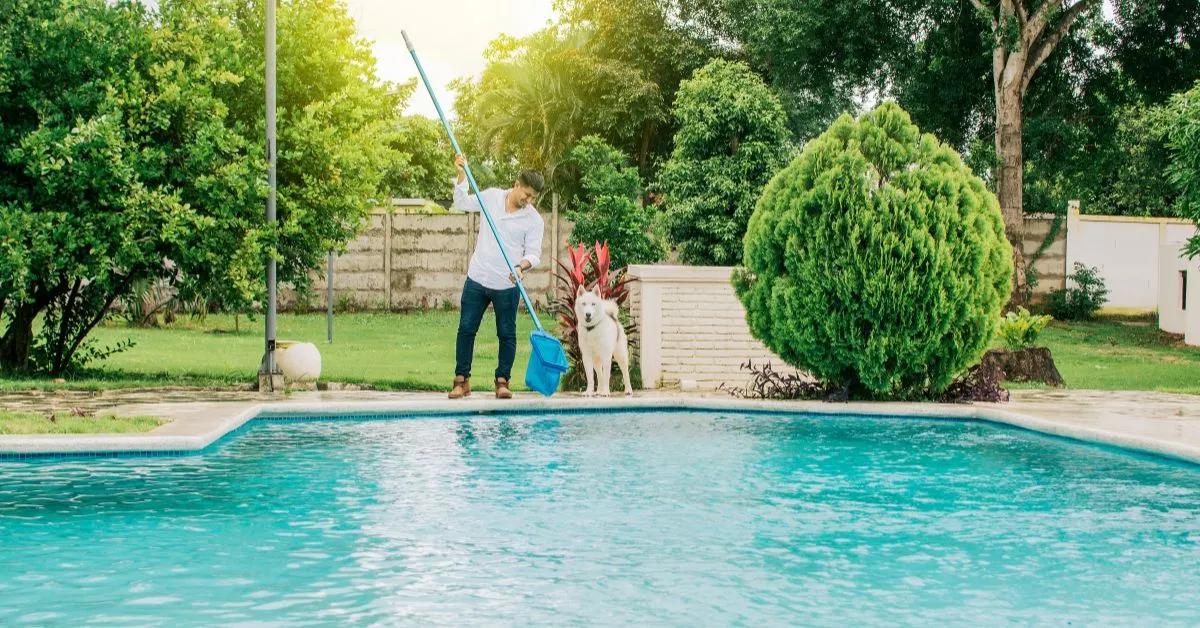
A swimming pool is more than just a place to cool off during warm weather; it serves as a space for relaxation, recreation, fitness, and bringing family and friends together. Like any valuable feature of a home, however, a pool requires consistent care to remain safe, attractive, and functional.
While it may be tempting to postpone maintenance until a visible problem appears, waiting often leads to more expensive repairs, poor water quality, and unnecessary stress. Understanding the importance of preventive maintenance for swimming pools allows homeowners to protect their investment while creating a healthier environment for everyone who uses it.
Maintaining Healthy Water
Clean-looking pool water does not always mean healthy water. Bacteria, algae, and other microorganisms can develop even when the pool appears clear, particularly if water chemistry is neglected. Maintaining balanced chemical levels is one of the most important aspects of pool ownership because it directly affects swimmer safety as well as the longevity of pool equipment and surfaces.
Proper pH, sanitizer levels, total alkalinity, and calcium hardness all work together to keep water balanced. When these levels drift outside their recommended ranges, chlorine becomes less effective, algae can spread more quickly, and surfaces or equipment may begin to corrode or accumulate scale. Regular water testing allows homeowners to identify minor changes before they become larger issues requiring expensive treatments or repairs.
Water circulation is equally important. Pumps and filters continuously move water through the system, helping distribute chemicals evenly while removing dirt, debris, and microscopic contaminants. A properly functioning pool circulation system prevents stagnant areas where algae and bacteria are more likely to develop.
Protecting Expensive Pool Equipment
Many homeowners think of pool maintenance as simply skimming leaves or adding chemicals, but the equipment behind the scenes deserves just as much attention. Pumps, filters, heaters, chlorinators, valves, and plumbing all work together to keep the pool operating efficiently. When one component begins to fail, it often places additional strain on the rest of the system.
Routine inspections help identify early warning signs such as unusual noises, small leaks, declining water pressure, or reduced circulation. Addressing these problems early is generally much less expensive than replacing major equipment after it breaks down completely.
Filters also require ongoing attention. Whether the pool uses cartridge, sand, or diatomaceous earth (DE) filtration, cleaning or servicing the filter at the appropriate intervals allows water to circulate efficiently while reducing strain on the pump. An overworked system consumes more energy and wears out faster, increasing long-term pool operating costs.
Preventing Costly Repairs
One of the greatest advantages of regular pool maintenance is the ability to identify small problems before they become significant repairs. A loose fitting, cracked seal, minor plumbing leak, or worn gasket may seem insignificant initially, but left untreated, these issues can lead to water loss, equipment damage, or even structural concerns.
Preventive pool inspections can also uncover damage caused by changing weather, intruding tree roots, shifting soil, or normal wear and tear. Detecting these issues early often means simpler repairs and lower costs compared to waiting until visible damage becomes unavoidable.
This proactive approach extends beyond the pool itself. Decking, coping, ladders, drains, and lighting should all be inspected periodically to ensure they remain safe and functional. Small maintenance tasks performed throughout the year can eliminate the need for extensive pool renovations later.
Creating Safer Experiences
Safety is another important benefit that is sometimes overlooked. Poorly maintained pools can present health risks ranging from bacterial contamination to slippery algae-covered surfaces. Balanced water chemistry helps destroy harmful microorganisms while reducing eye and skin irritation for swimmers.
Routine brushing and vacuuming prevent algae from attaching to pool walls and floors, while removing leaves and organic debris reduces the nutrients algae need to grow. Keeping drains, ladders, handrails, and pool lighting in good condition further minimizes the risk of accidents.
Keeping Up With Seasonal Maintenance
Every season presents unique challenges for pool owners. During summer, warmer temperatures increase chlorine demand and encourage faster algae growth. Heavy rainfall can dilute chemical levels while introducing dirt and organic debris into the water. In colder regions, improper pool winterization may lead to frozen pipes, cracked plumbing, or damaged equipment.
Seasonal maintenance ensures the pool remains prepared for changing conditions throughout the year. Opening the pool correctly at the beginning of the swimming season, monitoring water balance during peak usage, and properly closing the pool before winter all help preserve the condition of both the pool and its equipment.
Establishing a Practical Maintenance Routine
Pool maintenance becomes much more manageable when incorporated into a regular schedule. Weekly testing of water chemistry, skimming debris, brushing walls, vacuuming, and emptying skimmer baskets helps prevent many common problems from developing. Monthly equipment inspections provide opportunities to identify leaks, unusual wear, or declining performance before they become costly repairs.
Cleaning frequency may vary depending on factors such as weather, surrounding trees, pool usage, and local climate. Many homeowners find it helpful to understand how these conditions influence maintenance schedules and adjust their routines accordingly, making services such as pool cleaning frequency recommendations available from industry professionals a useful reference when planning ongoing care.
Rather than viewing pool maintenance as an inconvenience, homeowners often discover that consistent attention requires less effort than addressing neglected problems later. A few minutes each week can prevent hours of cleaning and significant repair expenses down the road.
Protecting a Long-Term Investment
Installing a swimming pool represents a substantial investment in a home’s comfort, appearance, and value. Like any major investment, its condition depends largely on how well it is maintained over time. Consistent care helps preserve water quality, extends the lifespan of expensive equipment, minimizes repair costs, and keeps the pool looking its best year after year.
Ultimately, preventive maintenance for swimming pools is about more than avoiding repairs. It creates a cleaner, healthier, and more enjoyable outdoor space while giving homeowners peace of mind that their pool is operating safely and efficiently. By adopting a proactive maintenance routine and addressing small issues before they grow into larger ones, pool owners can spend less time worrying about maintenance and more time enjoying everything their pool has to offer.