

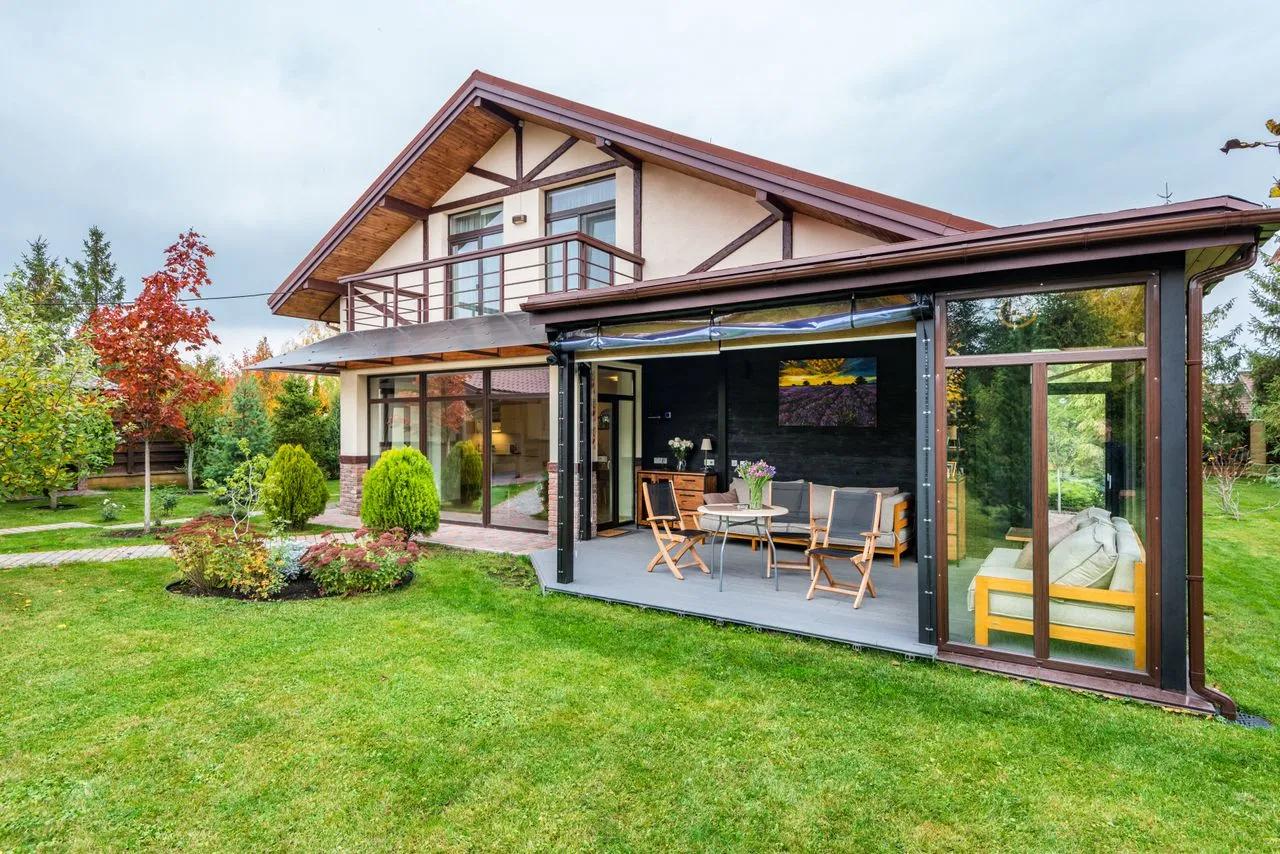
Shade is wonderful right up until the moment it isn't. On a blazing afternoon, overhead coverage can turn an uncomfortable patio into the best seat around. On a cool morning or mild spring day, however, that same coverage may be blocking the sunlight everyone actually wants.
That creates an interesting problem in outdoor design. Homeowners often want protection from the sun without permanently changing what it feels like to sit outside. After all, part of the appeal of a patio is looking up and seeing open sky rather than another ceiling.
The ideal solution depends on how the space is used, but flexibility has an obvious advantage when conditions keep changing. Instead of permanently choosing between an exposed patio and a covered one, homeowners can switch between the two with retractable awnings and decide how much coverage makes sense at that particular moment.
Permanent Shade Always Makes the Decision for You
A fixed roof solves one problem very effectively. The area underneath it stays covered whether the sun is directly overhead, hidden behind clouds, or barely visible on a cool autumn morning. That consistency can be exactly what some outdoor spaces need.
The tradeoff is that the decision has already been made. Once permanent overhead coverage is built, homeowners can't simply remove it for breakfast because the morning feels beautiful. Natural light reaching nearby windows can also change, and the patio itself may feel more enclosed than it did before.
That doesn't make permanent shade a bad choice. It simply means consistency and flexibility are different priorities. Before adding any overhead structure, it helps to ask whether the patio needs protection most of the time or only during certain hours and seasons. Covering a space is easy to appreciate in July. The better question is how that same coverage will feel throughout the rest of the year.
The Sun Never Stays in One Place
People sometimes evaluate patio shade at exactly the wrong moment. They walk outside at noon, see where the shadows fall, and assume they now understand the sunlight problem. Three hours later, the entire seating area may tell a different story.
The sun's angle changes throughout the day, so a table shaded in the morning can be fully exposed by dinner. Seasonal changes complicate things further. Summer sunlight follows a different path and reaches outdoor spaces at different angles than the lower sun of fall or winter.
Buildings, fences, trees, and neighboring homes also create shadows that move as the day progresses. That's why useful shade is partly about timing. A patio doesn't simply "get sun" or "get shade." Conditions shift hour by hour. Watching those changes before choosing coverage can reveal whether the space needs constant protection or something capable of adapting along with the sun.
Retracting the Cover Changes the Entire Space
Overhead coverage affects more than temperature. It changes how an outdoor area looks and feels. With a cover extended, the patio can feel more sheltered and defined, almost like a room attached to the house.
Remove that coverage and the character changes immediately. More daylight reaches the space, sightlines open upward, and the patio can feel larger even though its dimensions haven't changed by an inch. On pleasant days, that openness may be exactly what makes sitting outside appealing.
This ability to change the atmosphere can be particularly useful in climates where outdoor conditions vary considerably from one day to the next. The same patio might need serious afternoon shade during the hottest part of summer but benefit from every available ray of sunshine on a crisp fall morning. Rather than forcing one version of the space to work all the time, movable coverage allows the patio itself to respond.
Think About How the Patio Is Actually Used
The best shade solution on paper can still be the wrong one for a particular household. What matters is when people actually go outside and what they do once they're there.
Someone who drinks coffee on the patio at 7 a.m. may have completely different needs from a family that eats dinner outside at 6 p.m. Afternoon entertainers might battle intense heat and glare, while people who primarily use their deck after sunset may discover that daytime shade isn't their biggest concern at all.
It helps to observe real habits before designing around hypothetical ones. Note when the patio is busiest, which seats people naturally choose, and when everyone suddenly decides to head indoors. Then compare those patterns with the movement of the sun. Shade becomes much easier to plan when it solves a specific problem, such as making Saturday lunch comfortable, rather than simply being treated as something every patio is supposed to have.
Conclusion
Outdoor spaces are constantly changing even when nothing on the patio moves. Morning becomes afternoon, temperatures rise and fall, clouds appear, seasons change, and sunlight reaches the house from different angles throughout the year.
Permanent overhead coverage provides consistency, which can be valuable when constant protection is the goal. But consistency also means accepting shade on days when sunshine would have been welcome. For homeowners who value both experiences, that tradeoff deserves consideration.
Flexible coverage offers another way to think about the patio. Shade can be available during the bright, uncomfortable hours without becoming a permanent ceiling over every outdoor moment. When the weather is mild, the coverage can move away and the sky becomes part of the space again. Sometimes the most useful roof isn't the one that is always there. It's the one that knows when to disappear.