

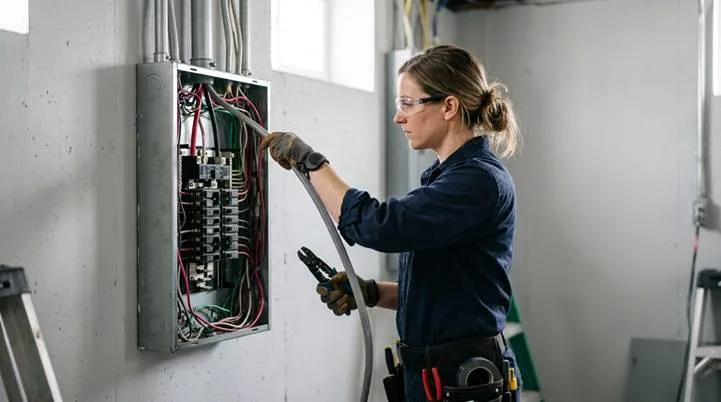
The true cost of electrical work is a reflection of the expertise and safety standards involved.
Getting a price quote for electrical work can be confusing. You see the total cost, but you don't always know how they got that number. One quote might be much lower than another, making it tempting to just pick the cheapest one. But this can be a risky choice for your home. The true cost of an electrical project is more than just parts and labor. It's also about safety, following the rules, and making sure the work will last.
The first step is to understand what goes into a professional quote. Before you compare prices, it helps to know what skilled electricians do. Projects that many denver residential electricians handle, like panel upgrades, EV charger installations, and wiring for a remodel, show the high level of skill needed. It’s not just about connecting wires. It’s about creating systems that are safe, work well, and follow local rules.
The cost of skilled workers in your area also affects the price. In a busy market, companies have to pay good wages to hire and keep the best electricians. According to the U.S. Bureau of Labor Statistics, the average hourly wage for workers in the Denver metro area was $39.28 as of May 2025, which is higher than the national average of $33.54. Higher local wages feed directly into what it costs a contractor to hire and keep skilled, certified electricians.
Quick answer: The real cost of electrical work depends on three things besides materials: the electrician's license and insurance, the challenge of making sure the work follows the National Electrical Code (NEC) and local rules, and the skill needed for today's electrical systems. A low price often means corners were cut on one of these key safety areas.
What's inside
· What is the difference between a master and a journeyman electrician?
· How can you verify a license and check for proper insurance?
· When does a home electrical project require a permit?
· Frequently asked questions
· The Final Check: Is Your Project Built to Last?
What is the difference between a master and a journeyman electrician?
The main difference is their level of experience, the tests they've passed, and their legal power to oversee jobs and get permits.
A journeyman electrician is a licensed professional who has finished several years of training. They are skilled enough to do many types of electrical installations and repairs on their own. But they usually work under a master electrician, especially on bigger or more difficult jobs. A journeyman is the hands-on expert who does the physical work.
A master electrician has the highest level of training. To become one, a journeyman needs several more years of on-the-job experience and must pass a very hard state test. This test covers the National Electrical Code (NEC), difficult electrical concepts, and how to manage projects. Only a master electrician can get permits for most jobs, design electrical systems, and be legally responsible for the safety of all work done by their team.
This system of levels affects the cost and quality of your project. Good electricians are in high demand. The U.S. Bureau of Labor Statistics expects the number of electrician jobs to grow 9% from 2025 to 2035, which is much faster than average. Because of this high demand and the skills needed, their pay is higher. The national median pay for electricians was $63,190 per year as of May 2025, according to the Bureau. A company that pays to keep master electricians on staff is paying for better quality and safety.
❝ For any job that changes your home's main electrical service, like a panel upgrade, moving your service, or adding a big new circuit for an EV charger or hot tub, a licensed master electrician must get the permits. This is a key step for safety and for following the rules. It guarantees that your local building department will inspect and approve the work.
When you get a quote, you're not just paying for the person doing the work. You're paying for the team of experts and the system of safety behind them. A price from a company with a master electrician includes the cost of their skill, insurance, and the peace of mind that comes from knowing a legally responsible expert is in charge.
How can you verify a license and check for proper insurance?
You should check an electrician's license number on your state's official website. To check their insurance, ask for a Certificate of Insurance to be sent to you straight from the insurance company.
These two documents are your best protection from bad or uninsured work. A license proves the person or company has met the state's standards for skill and knowledge. In Colorado, for instance, you can check electrical contractor and electrician licenses online through the Department of Regulatory Agencies (DORA) portal. Don't just take their word for it. Look up the license number yourself to make sure it's active and has no issues.
Insurance is just as important. There are two types that protect you from different problems:
General Liability: This covers damage to your property. If a mistake causes a fire or damages your house, this insurance pays for the repairs. Without it, you might have to sue the contractor, which is hard to win.
Workers' Compensation: This covers injuries to the electrician or their workers while at your home. If an electrician gets hurt on your property and their boss doesn't have this insurance, you could be responsible for their medical bills.
❝ The best way to check for insurance is to ask for a Certificate of Insurance (COI) to be sent to you from the electrician's insurance company. A copy from the contractor could be old or fake. A COI sent directly from the source proves the insurance is current.
Besides a license and insurance, the work itself must follow national safety rules. All good electricians follow the National Electrical Code (NEC), which is published by the National Fire Protection Association. This code sets the standard for safe electrical work. Local rules are usually based on the NEC, with a few changes for the area. If a contractor can't explain how their work will meet NEC standards, that's a big warning sign.
When looking at a price quote, watch for these warning signs:
· Lump-sum pricing: The quote should list the costs for major parts and labor. A single price with no details hides what you're paying for.
· Large upfront payment: Asking for a small deposit for materials is normal. Demanding 50% or more before starting is a big red flag.
· No permit mentioned: Any big job, like a panel upgrade or adding new circuits, needs a permit and an inspection. A contractor who says you can skip this is taking a dangerous shortcut.
· Vague material specifications: The quote should name the brand and quality of key parts like breakers and outlets, not just say "new panel."
When does a home electrical project require a permit?
In most places, you need a permit for any new electrical work or for any major change to your current system.
This includes adding a new circuit, moving or upgrading your main service panel, or wiring for a major remodel. Simple fixes, like replacing a broken switch or light with a similar one, usually don't need a permit. Getting a permit isn't just about paying a fee or filling out a form. It's an important safety step that protects you.
When a licensed contractor gets a permit, they are officially telling your local building department about the job. This starts a process where a city or county inspector will check the work. This inspector works for the public, not the contractor. Their only job is to make sure the work is safe and follows the electrical code. This check is the best way to know that the wiring inside your walls is done right.
Here are common projects that almost always need a permit:
· Replacing or upgrading the main electrical panel.
· Adding a dedicated circuit for a new appliance, such as an EV charger, hot tub, or air conditioner.
· Installing a subpanel.
· Running new wiring for a home addition, kitchen remodel, or finished basement.
· Moving the location of your service meter or panel.
❝ A contractor who offers a "cheaper" price by skipping the permit is not saving you money. They are transferring all the financial and safety risk from themselves directly onto you, the homeowner. This "discount" comes at the cost of independent safety verification and can create major problems with insurance and home resale.
Skipping a required permit has serious consequences. If unpermitted work causes a fire, your homeowner's insurance carrier may have grounds to deny your claim. Furthermore, when you sell your home, a history of unpermitted electrical work can derail the sale. Buyers' home inspectors often check city records, and the absence of a closed permit for major work is a significant red flag that can lead to costly repairs or a lower sale price. The permit is the official record that the job was done to code, a record that protects your investment for years to come.
Frequently asked questions
How much should I expect to pay per hour for an electrician in Denver? While rates vary, you should understand that a professional's hourly rate covers much more than just their labor. It includes the costs of maintaining proper licensing and insurance, specialized tools, a service vehicle, and ongoing training to stay current with code changes. A significantly low hourly rate may indicate that a contractor is cutting corners on one of these essential business costs, often insurance or workers' compensation.
Is there a shortage of electricians in Colorado? The high demand for qualified electricians, driven by construction and the adoption of new technologies like EVs, means that experienced professionals are often booked well in advance. For non-emergency work like a planned remodel or panel upgrade, you may find that the most reputable companies have a lead time of several weeks. This is less a "shortage" and more a sign of a healthy market where quality work is in high demand.
How do I know if my electrical panel is outdated or unsafe? There are several clear warning signs that your panel may need an upgrade. These include breakers that trip frequently, lights that flicker when a large appliance turns on, or a panel that feels warm to the touch. Additionally, if your home was built before 1990 and still has its original panel, it is wise to have it inspected, especially if it is a brand known for safety issues, such as Federal Pacific Electric or Zinsco.
Does installing an EV charger always require a panel upgrade? Not necessarily, but it depends on your home's existing electrical capacity. A qualified electrician will perform a "load calculation" to determine the total electrical demand of your home, including the new charger. If your current service has enough spare capacity to handle the charger's continuous load safely, an upgrade may not be needed. However, in many older homes with 100-amp service, adding a powerful Level 2 charger will require a service upgrade to 150 or 200 amps.
What's the most common electrical mistake homeowners make during a remodel? A frequent oversight is failing to plan for the electrical load of modern kitchen appliances. High-draw devices like induction cooktops, convection microwave ovens, and even powerful air fryers often require their own dedicated circuits to function properly without tripping breakers. Simply adding more outlets to an existing circuit is rarely the correct solution and can create a fire hazard by overloading the wiring.
The Final Check: Is Your Project Built to Last?
Choosing an electrician is less about finding the lowest hourly rate and more about selecting a partner for a critical infrastructure project in your home. The price difference between a low bid and a professional quote often represents the non-negotiable costs of safety and compliance. These include proper licensing, comprehensive insurance, and the formal permitting process that provides third-party verification of the work. A quote that seems too good to be true is often missing one of these essential components, shifting the risk from the contractor directly to you.
Ultimately, you are not just buying the installation of wires and breakers. You are investing in a safe, durable, and legally compliant system that becomes a permanent part of your property. The most important questions you can ask are not about the final price, but about the process. Verifying a license, requesting a certificate of insurance directly from the agent, and insisting on a permit are the fundamental steps of due diligence.
The true value of a job well done is not just that the lights turn on, but in the official record that proves the work was completed to code. This documentation is what protects your home's value, satisfies your insurance carrier, and provides lasting assurance that the work hidden behind your walls was performed correctly and safely.