

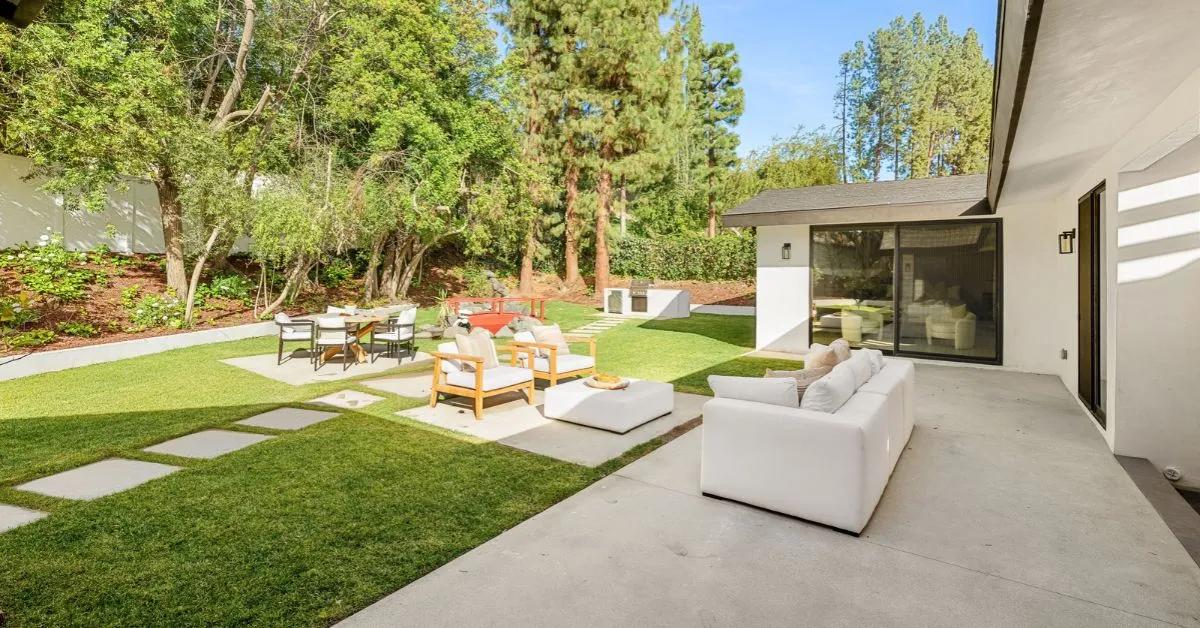
An outdoor area should feel like a natural extension of the home. Whether it includes a patio, garden, swimming pool, or seating area, thoughtful design brings everything together and creates a comfortable, inviting environment.
Achieving this harmony involves more than choosing attractive furniture or adding decorative plants. The relationship between colors, materials, landscaping, and functional areas determines how well different elements complement one another. Creating a cohesive outdoor living space does not require a complete renovation, as a few intentional improvements make the surroundings more visually balanced and enjoyable for everyday relaxation and family activities.
Establish a Consistent Design Style
One of the simplest ways to create visual harmony is to establish a clear design direction before introducing new elements. A modern outdoor setting might feature clean lines, neutral colors, and minimalist furniture, while a rustic design may incorporate natural wood, textured stone, and relaxed seating arrangements.
The goal is not to make every feature identical but to ensure individual elements share enough characteristics to feel connected. Consider the home’s architectural style when making design decisions, as repeating exterior colors, materials, or structural details can establish a natural relationship between indoor and outdoor environments.
Use a Coordinated Color Palette
Color plays an important role in determining whether an outdoor area feels organized or visually overwhelming. Introducing too many competing shades can make the surroundings appear disconnected, particularly when furniture, paving, fencing, and landscaping have different finishes.
Start by identifying two or three dominant colors that complement the home’s exterior. Neutral shades, such as beige, gray, cream, and warm brown, provide a versatile foundation because they blend naturally with surrounding landscapes. Additional colors can be introduced through cushions, planters, outdoor rugs, and seasonal flowers.
Connect Different Areas Through Landscaping
Landscaping is one of the most effective ways to unite separate outdoor features because plants, pathways, garden beds, and natural materials establish visual connections between patios, lawns, pools, and relaxation areas. Rather than treating each section independently, consider how the surrounding landscape can guide movement and create a consistent atmosphere. Low-growing plants connect a paved patio to a lawn, while decorative grasses soften the edges of seating areas. Similarly, pathways made from stone, gravel, or matching pavers link different sections while reinforcing the overall design.
Swimming pools require similar consideration because their shape, surrounding materials, and relationship with nearby planting areas influence how naturally they fit into the landscape. For properties with curved garden beds or irregular terrain, blending freeform pools with outdoor landscapes creates a more organic relationship between the water, surrounding greenery, and other backyard features.
Repeating selected plant varieties also establishes visual consistency. Ornamental grasses placed near a patio, for instance, can appear again beside a pathway or fence. Choosing plants suited to the local climate and sunlight conditions encourages healthy growth while minimizing maintenance.
Choose Furniture That Complements the Surroundings
Outdoor furniture should support the overall design rather than compete with it. Mixing different styles works when pieces share common colors, materials, or proportions, but combining too many unrelated designs may make the area feel cluttered.
Consider selecting furniture from a consistent material family, such as natural wood, powder-coated metal, or woven outdoor materials. The arrangement matters just as much as appearance, so position seating to encourage conversation while maintaining comfortable views of the garden and allowing room for movement.
Outdoor rugs define seating arrangements, while coordinating cushions and throws introduce texture without disrupting the color palette. Furniture should also match the available space, as oversized pieces can overwhelm smaller patios, while undersized arrangements may feel disconnected in expansive backyards.
Create Clearly Defined Functional Zones
A cohesive backyard can accommodate several activities without appearing crowded when each section has a clear purpose. An outdoor area might include a dining section near the house, a lounge overlooking the garden, and an open lawn for recreational activities.
Although these areas serve different functions, transitions between them should feel natural. Consistent flooring materials, repeated planting arrangements, and coordinated furniture connect individual zones while preserving their distinct purposes.
Instead of placing large barriers between every section, consider subtle boundaries like changes in paving patterns, outdoor rugs, or strategically positioned planters. These details provide enough separation to organize the surroundings without sacrificing openness or restricting movement.
Use Lighting To Bring Everything Together
Lighting influences the appearance and functionality of outdoor environments, particularly after sunset. A thoughtful arrangement can highlight architectural features, illuminate pathways, and create a welcoming atmosphere around seating areas.
Rather than relying on one bright light source, combine several types of lighting to achieve a balanced effect. Soft wall lights can illuminate a patio, low-level fixtures can guide movement along garden paths, and subtle landscape lighting can highlight trees or planting beds.
Using a consistent light temperature prevents different sections from appearing visually disconnected. Warm lighting generally creates a relaxed atmosphere suitable for outdoor dining and evening gatherings, while careful fixture placement minimizes glare and unnecessary light reaching neighboring properties.
Keep Decorative Elements Intentional
Decorative accessories can make an outdoor environment feel personal, but excessive ornamentation may distract from the overall design. Instead of filling every available surface, choose a smaller number of meaningful pieces that complement the existing colors and materials.
A large planter, sculptural garden feature, or coordinated collection of cushions can provide visual interest without overwhelming the surroundings. Leaving some areas open also creates breathing room and allows important design features to stand out.
Regular maintenance supports this sense of consistency. Cleaning paving surfaces, trimming plants, organizing accessories, and repairing worn furniture can make an established backyard feel noticeably more polished.
Bring the Entire Outdoor Design Together
A well-designed backyard should feel comfortable, practical, and connected to the home. Achieving that balance requires attention to how landscaping, furniture, lighting, colors, and surface materials relate to one another.
By repeating complementary elements, creating natural transitions, and organizing functional areas thoughtfully, homeowners can develop a cohesive outdoor living space that supports relaxation, everyday activities, and meaningful time with family and friends. Ultimately, successful outdoor design is not about making every feature look identical but creating an inviting environment where different elements work together naturally.