

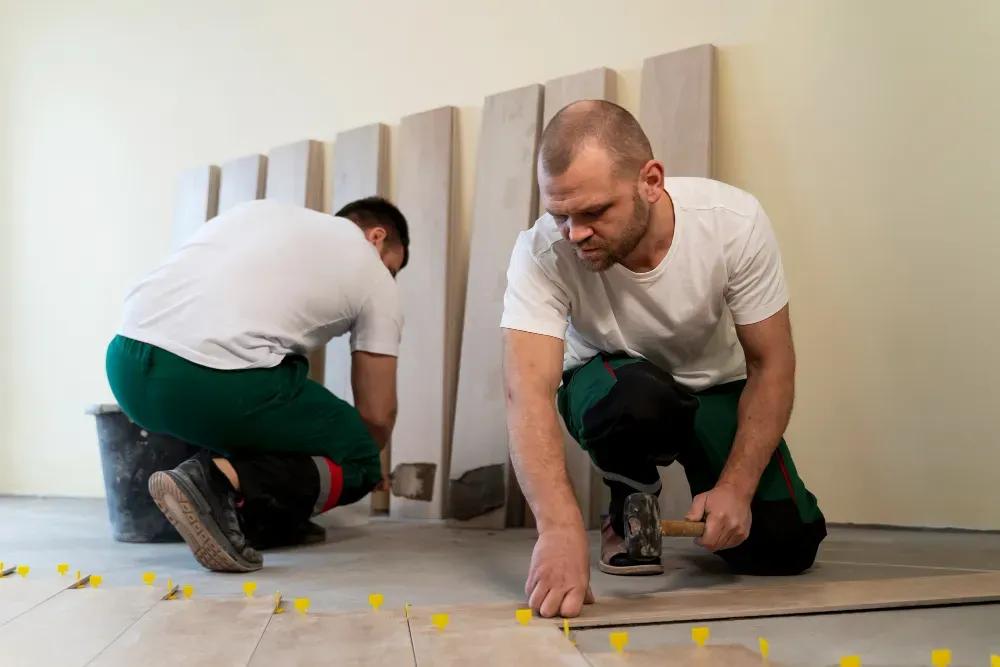
Image source: freepik
Replacing commercial flooring represents a significant investment for any business. Beyond the direct costs of materials and labor, facility managers must account for operational downtime, potential disruptions to employees and customers, and the long-term maintenance implications of their choices. Despite these high stakes, many facility managers make preventable mistakes that compromise the performance and longevity of their new flooring systems.
Understanding these common pitfalls before beginning a flooring project can save thousands of dollars and years of frustration. The following insights draw from decades of industry experience and highlight the errors that most frequently lead to premature flooring failure and unexpected repair costs.
Underestimating the Importance of Surface Preparation
The single most common mistake in commercial flooring replacement is inadequate surface preparation. Many facility managers focus primarily on the visible finished product without recognizing that proper preparation accounts for roughly 70 percent of a successful installation. When contractors rush through preparation or skip critical steps to reduce costs, the consequences inevitably surface within months or years.
Proper surface preparation begins with a thorough assessment of the existing concrete condition. Cracks, spalling, and previous coatings must be addressed before new materials can be applied. Diamond grinding creates the surface profile necessary for mechanical adhesion, while shot blasting may be required for heavily contaminated or damaged slabs. Moisture testing according to ASTM standards determines whether vapor mitigation is necessary. Skipping any of these steps creates weak points that will eventually cause the new flooring to fail.
Choosing Materials Based on Price Alone
Budget constraints are a reality for every facility manager, but selecting flooring materials based primarily on initial cost frequently proves to be a false economy. The least expensive coating system may cost half as much as a premium alternative, but if it requires replacement in three years instead of fifteen, the true cost becomes dramatically higher when factoring in repeated installation expenses and operational disruptions.
Different environments demand different performance characteristics. A warehouse handling chemical products requires different protection than a retail showroom. A commercial kitchen needs slip resistance, thermal shock tolerance, and chemical resistance that standard epoxy systems cannot provide. Understanding the specific demands of your environment and matching materials accordingly ensures that your investment delivers appropriate value over its intended lifespan.
Ignoring Environmental Conditions During Installation
Coating systems are chemical products that require specific conditions to cure properly. Temperature, humidity, and air circulation all affect how materials bond to the substrate and develop their final properties. Installations performed outside recommended parameters often appear acceptable initially but develop problems as the flooring is subjected to normal use.
Most epoxy and polyurea systems require ambient temperatures between 50 and 90 degrees Fahrenheit and relative humidity below 85 percent during application and curing. Concrete surface temperatures matter as well, particularly in facilities with radiant heating or cooling systems. Professional contractors monitor these conditions throughout the installation process and adjust schedules or implement climate control measures when necessary. Facility managers who pressure contractors to complete work during unsuitable conditions often regret prioritizing schedule over quality.
Failing to Plan for Operational Continuity
Commercial flooring replacement inevitably disrupts normal operations, but the extent of that disruption depends largely on planning. Facility managers who treat flooring installation as a simple weekend project often discover that proper preparation, application, and curing require significantly more time than anticipated.
Effective planning begins with honest conversations about timelines. How long does each phase actually require? When can light foot traffic resume? When can heavy equipment or vehicle traffic return? What ventilation requirements exist during and after application? Facilities that operate continuously may need phased installation approaches that maintain partial operations throughout the project. Understanding these logistics before work begins prevents costly surprises and allows for appropriate scheduling of deliveries, staff, and customer communications.
Selecting Contractors Without Verifying Experience
The flooring industry includes contractors with vastly different levels of experience and capability. A company that excels at residential garage floors may lack the expertise for complex commercial installations. Contractors who primarily work in temperate climates may not understand the specific challenges of high-humidity environments or extreme temperature fluctuations.
Verification should extend beyond simply requesting references. Ask potential contractors about projects similar to yours in scope, environment, and material requirements. Request documentation of completed installations in comparable facilities. Inquire about their experience with the specific coating systems being proposed. For specialized environments like healthcare facilities, food processing plants, or chemical manufacturing operations, confirm familiarity with relevant regulatory requirements. Professionals offering commercial concrete coatings in Louisiana understand that regional expertise matters as much as general technical competence when working in challenging subtropical conditions.
Neglecting Long-Term Maintenance Requirements
Every flooring system requires maintenance to achieve its expected service life. Facility managers who select materials without understanding maintenance requirements often find themselves facing premature deterioration or unexpected costs. Some coating systems require periodic reapplication of topcoats. Others demand specific cleaning protocols to maintain their protective properties.
Before finalizing material selections, request detailed maintenance guidelines from both manufacturers and installers. What cleaning products are compatible with the coating? How frequently should maintenance be performed? What are the signs that recoating or repair is needed? Understanding these requirements allows for accurate budgeting and prevents the accumulation of damage that results from improper care.
Overlooking Documentation and Warranty Details
Professional flooring installations should include comprehensive documentation of materials used, application procedures followed, and warranty terms. This documentation protects facility managers by establishing clear expectations and providing recourse if problems develop. Unfortunately, many managers fail to request or retain this information, leaving themselves without support when issues arise.
Warranty terms vary significantly between manufacturers and installers. Some warranties cover only material defects while others include labor for repairs. Coverage periods range from one year to lifetime depending on the application and materials. Understanding exactly what protection exists and what conditions might void coverage ensures that facility managers can make informed decisions and maintain appropriate documentation throughout the flooring's service life.
Making Better Decisions
Commercial flooring replacement requires balancing immediate budget constraints against long-term performance expectations. Facility managers who invest time in understanding preparation requirements, material characteristics, installation conditions, and maintenance needs consistently achieve better outcomes than those who focus primarily on minimizing initial costs.
The most successful projects result from collaboration between informed facility managers and experienced contractors. When both parties understand the specific demands of the environment and commit to following proper procedures, commercial flooring delivers years of reliable performance. When shortcuts are taken or expertise is lacking, the initial savings quickly disappear into repair costs and premature replacement cycles.