

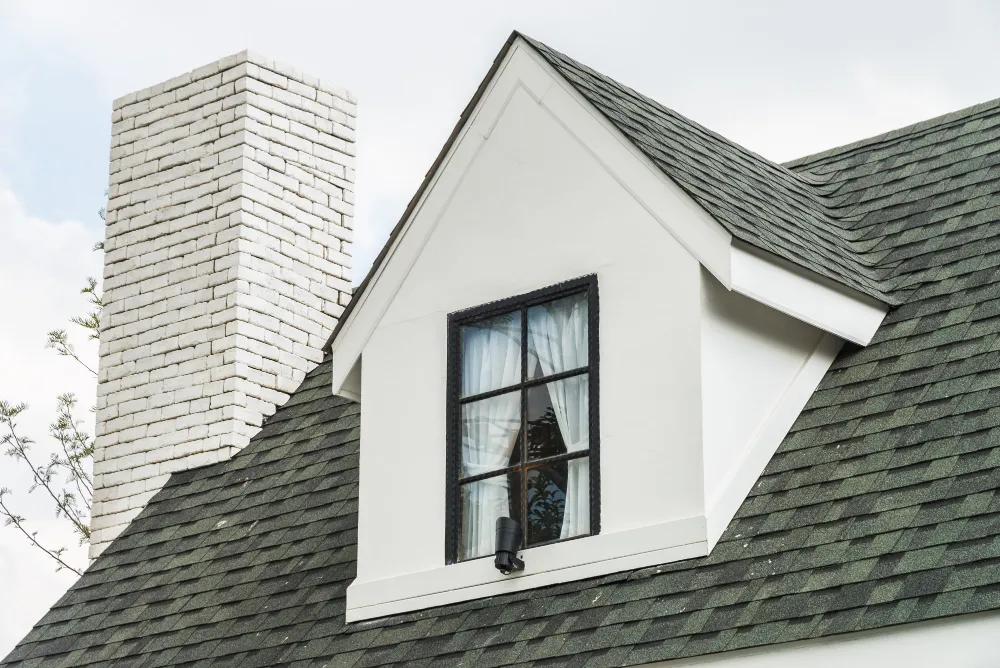
Asphalt shingle roofing remains a common choice for American homes because it combines manageable cost, familiar installation methods, and broad design flexibility. Homeowners can select colors and profiles that suit many architectural styles. The material also supports practical repairs when individual sections sustain damage. Its popularity becomes clearer when you examine how shingles balance appearance, weather protection, maintenance, and replacement planning across residential construction projects in the United States. The following sections explain those advantages.
A roof’s performance begins with proper preparation, not shingle color. Contractors inspect the deck, remove failed materials, and install underlayment before placing new courses. Homeowners can review asphalt roof shingles installation to see how those stages fit together, including deck preparation, flashing, ventilation, and final inspections. That process helps property owners compare estimates and ask focused questions before work begins.
Manageable Installation and Replacement
Asphalt shingles use established installation methods and standard roofing components. Experienced crews understand how to prepare the deck, install underlayment, place flashing, and fasten each shingle course. This familiarity makes project planning more straightforward than systems requiring specialized materials or uncommon tools.
Replacement work also remains practical because contractors can repair damaged shingles individually. A roofing professional can inspect the affected area, remove compromised pieces, and install matching materials when suitable products remain available. This approach limits unnecessary removal and keeps minor damage from becoming a larger roofing project.
Flexible Appearance For Different Homes
Manufacturers produce asphalt shingles in many colors, textures, and profiles. Homeowners can choose a subdued finish for a traditional house or a dimensional profile for a newer design. These choices help coordinate the roof with siding, brick, trim, and exterior doors.
Color selection also affects how a home appears from the street. Lighter shades create a softer visual effect, while darker shades add definition around rooflines. Homeowners should compare samples outdoors because sunlight changes each color’s appearance throughout the day.
Reliable Protection Against Weather
A properly installed asphalt shingle roof creates overlapping layers that direct rain toward the gutters. Underlayment adds another protective layer beneath the shingles, while flashing helps seal areas around chimneys, walls, vents, and roof valleys.
Ventilation also affects roof performance. Balanced intake and exhaust openings help control heat and moisture within the attic. Proper airflow protects the roof assembly from moisture-related damage and supports more consistent conditions beneath the shingles.
Practical Maintenance Requirements
Asphalt shingle roofs need regular visual inspections, especially after severe wind, hail, or heavy rain. Homeowners should look for missing shingles, lifted edges, exposed fasteners, damaged flashing, and granules collecting near downspouts.
Small problems deserve prompt attention. A missing shingle exposes the underlayment and deck to weather. Damaged flashing can direct water into vulnerable joints. Early repairs protect nearby materials and give homeowners a clearer picture of the roof’s condition.
Reasonable Planning For Long-Term Costs
The total cost of a shingle roof depends on roof size, pitch, access, existing damage, material selection, and labor requirements. A detailed estimate should identify removal, deck repairs, underlayment, flashing, ventilation work, disposal, and installation.
Homeowners should compare estimates by scope, not price alone. A lower figure can exclude necessary deck repairs or ventilation improvements. A complete written scope gives the property owner a clear basis for comparing contractors and planning future maintenance.
Familiar Materials Support Easier Repairs
Roofing professionals recognize common asphalt shingles, which simplifies inspection and repair planning. Contractors can identify damaged areas, assess surrounding materials, and determine whether a localized repair or full replacement makes sense.
Matching older shingles can become difficult when a product line changes or fades with age. If storage space permits, homeowners should keep spare materials after a new installation. Those pieces can support future repairs when an exact match is no longer available.
What Homeowners Should Check Before Installation
A sound project begins with a roof inspection and a written plan. The inspection should address the deck, flashing, ventilation, gutters, penetrations, and existing moisture damage. It should also identify areas requiring repair before new shingles cover them.
Homeowners should confirm the selected shingle profile, color, removal plan, cleanup responsibilities, and payment schedule. They should also ask how the contractor will protect landscaping, siding, windows, and outdoor property during the work.
Conclusion
Asphalt shingles remain popular because they offer familiar installation, an adaptable appearance, practical repair options, and strong protection when installed correctly. Homeowners can improve the result by considering the entire roofing system instead of choosing shingles by color alone. Before accepting an estimate, request a written scope covering deck condition, underlayment, flashing, ventilation, removal, and cleanup. That checklist provides a clear next step and helps prevent overlooked work from affecting the finished roof.