

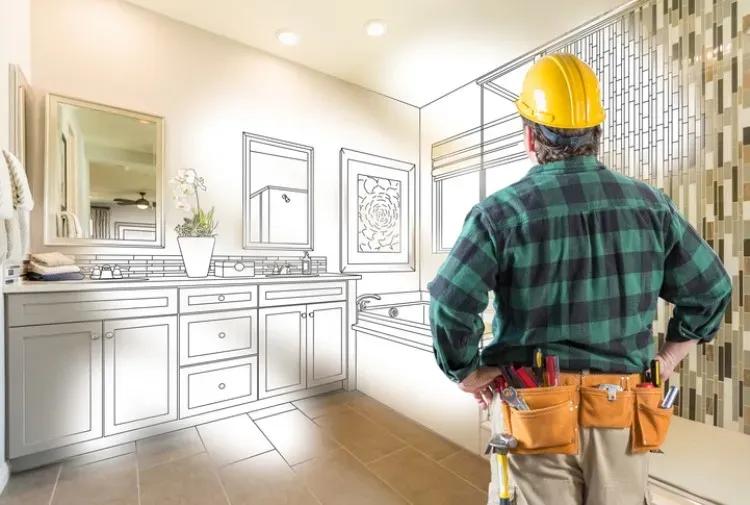
The best remodeling results almost always start with detailed, well-documented planning well before construction begins. A remodeling designer should use the pre-construction phase to get ahead of surprises rather than treating it like a quick warmup. Traci Connell Interiors takes a more methodical approach than a typical design handoff by emphasizing documentation and decision timing. That kind of thinking goes a long way in protecting budgets, schedules, and the overall homeowner experience as the project moves from ideas to actual construction. The goal is not to be perfect but to create enough clarity that contractors can follow through and clients can feel confident. When these steps are handled well, construction gets off to a much smoother start with fewer unanswered questions and fewer expensive delays.
Confirm Scope, Goals, and Constraints
A remodeling designer should start by defining the scope in plain language so everyone involved can describe it consistently. That means being clear about what is included, what is not, and what decisions still need to be made. It also means turning big picture goals into something measurable, like storage needs, how comfortable the space feels to move through, or how durable the finishes need to be. The budget and timeline should come up early because they quietly shape every design decision that follows. A well-defined scope also helps flag risks like hidden conditions, long lead times, or permitting requirements that could throw the whole plan off. With that foundation in place, high-end renovation design guidance can help determine exactly how much design detail is actually needed before anyone starts ordering materials or booking trades.
Complete Drawings and Specifications That Builders Can Use
Before construction kicks off, drawings need to go beyond just concepts and actually show contractors everything they need to build with confidence. A remodeling designer should lock in dimensions, alignments, and key clearances so trades are not left guessing on the jobsite. Specifications should spell out exactly what is being installed, how it should be installed, and the expected quality level throughout. Details matter most at transitions like floors meeting tile, cabinets meeting walls, and trim meeting openings. When the documents are thin on detail, contractors end up filling in the gaps with assumptions that may not match what the designer or homeowner actually had in mind. Strong drawings and solid specifications help reduce change orders by answering the big questions before they turn into costly delays.
Finalize Selections and Lock a Procurement Plan
Material and product selections need to be locked in early enough to actually keep up with the construction schedule. A remodeling designer should confirm finish choices, appliance requirements, plumbing fixtures, and any lighting that affects rough-ins and framing before work begins. Lead times, availability, and backup options should also be verified in case a product suddenly becomes unavailable. Procurement planning should make it clear who is ordering what, where everything is shipping, and how items will be stored safely on site. Skipping this step leads to one of the most common jobsite headaches: construction is ready to move forward, but key items are still undecided or stuck on backorder. When selections and ordering are well organized, the jobsite keeps moving, and the overall design vision stays on track.
Coordinate With the Contractor and Align the Build Team
A remodeling designer should sit down with the contractor well before demolition day to make sure everyone is truly on the same page. That means walking through the drawings together and confirming that everyone involved reads and interprets the intent the same way. It also means getting clear on who handles site questions, field changes, and any approvals that may be needed along the way. A good pre construction meeting can surface conflicts like duct routes, structural needs, or code issues while changes are still easier. The team should agree early on how they will communicate, so everyone knows when to call, when to email, and when a site meeting actually makes sense. When the entire build team aligns before work begins, craftsmanship tends to be better because workers can stay focused on doing the job right rather than fixing mistakes.
Set Client Expectations and Prepare for Jobsite Decisions
Before construction kicks off, a remodeling designer should give clients a real and honest picture of what living through a remodel actually feels like. This includes discussing access, dust control, noise, and the daily rhythm of a jobsite. The designer should also be upfront about which decisions are truly locked in and which ones might still need to be confirmed once work is underway. Clients should have a clear understanding of how approvals work so they can respond quickly when a time-sensitive question pops up on the jobsite. Something as simple as a decision calendar can take a lot of stress off the table by turning unexpected moments into planned checkpoints everyone is ready for. When expectations are set clearly from the start, clients stay involved without feeling overwhelmed, and the whole project runs much more smoothly.
The most valuable preconstruction work is the kind that quietly prevents confusion before it ever has a chance to show up. A remodeling designer should focus on turning ideas into concrete documents, clear timelines, and solid decisions that a contractor can build with confidence. When the scope is clear, drawings are solid, and selections are locked in, the job rarely has to stop just because something was left unanswered. Working closely with the contractor early on builds the kind of trust and alignment that keeps quality high and the schedule on track. Clients who know what to expect tend to stay calm and communicative even when things on the jobsite do not go exactly as planned. When everything comes together the right way, construction flows smoothly, and the finished space actually looks and feels like what everyone dreamed it would be.