

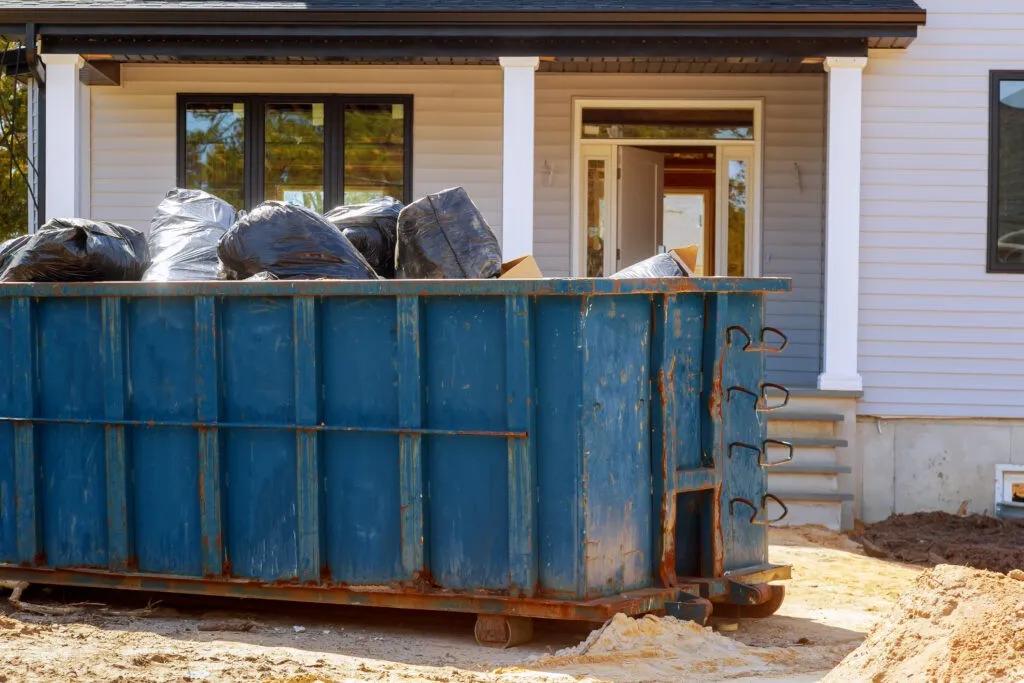
Renting a dumpster in Westlake Village can make a large cleanup, renovation, or remodeling project much easier by giving you one convenient place to collect and remove waste. The key is to choose a dumpster based on the amount and type of debris you have, how long you need it, where it will be placed, and what the rental includes. Taking these factors into account before ordering can help prevent unexpected costs and delays.
Westlake Village is a residential community in Southern California known for its attractive neighborhoods, parks, and well-maintained properties. Homeowners in the area may take on projects such as home renovations, landscaping, garage cleanouts, or major decluttering that create more waste than regular trash collection can handle. For these projects, dumpster rentals in Westlake Village can provide a practical way to keep debris contained and make cleanup more organized.
Choose the Right Dumpster Size
One of the first things to consider is the size of the dumpster. Ordering one that is too small can leave you needing an additional pickup or another container. Choosing one that is much larger than necessary may mean paying for unused space.
Think about the type and volume of material your project will produce. A small home cleanout may require much less space than a kitchen remodel, roofing project, or major landscaping job. If you are unsure, explain your project to the rental company and ask which size would be appropriate.
Know What Materials You Can Throw Away
Not every type of waste can be placed in a standard dumpster. Common household junk, furniture, construction debris, and yard waste may be accepted, but certain hazardous or restricted materials may require special handling.
Before your dumpster arrives, ask the rental provider for a list of prohibited materials. This can help you avoid having items removed from the container or facing additional charges.
Consider Where the Dumpster Will Go
Placement is another important consideration. You need enough space for the container and enough room for the delivery truck to safely access the property.
Look at your driveway, side yard, or another suitable location before scheduling delivery. Make sure vehicles, gates, trees, utility structures, and other obstacles will not interfere with placement.
If the dumpster needs to be placed somewhere other than your private property, check whether additional permission or local requirements may apply.
Understand the Rental Period
Cleanup projects do not always follow a perfect schedule. A renovation may take longer than expected, while a weekend cleanout could finish quickly.
Ask how long the rental period lasts and what happens if you need the dumpster for additional days. Understanding these terms in advance makes it easier to plan your project without rushing.
Ask About Weight Limits
Some dumpster rentals have weight restrictions, especially when dealing with heavy materials such as concrete, dirt, brick, or roofing debris.
Even if your dumpster has enough physical space, the total weight of the contents could affect your final cost. Discuss heavy materials with the rental company before ordering so you understand any applicable limits or additional charges.
Look at the Complete Price
The advertised rental price does not always tell you the entire cost. Ask whether delivery, pickup, disposal, rental days, taxes, or additional fees are included.
A clear quote can help you compare options more accurately. It is also useful to ask about overage fees, extended rental charges, and other potential costs before signing an agreement.
Plan Your Cleanup Before Delivery
A little preparation can make dumpster use much easier. Separate recyclable or reusable items before throwing everything away. Break down large boxes and furniture when possible to maximize available space.
It is also helpful to have a basic plan for how waste will be loaded. Placing heavier materials toward the bottom and distributing debris evenly can help keep the container stable.
Key Takeaways
Choose a dumpster size based on the amount and type of waste.
Confirm which materials are accepted before loading the container.
Select a safe and accessible placement area.
Understand the rental period and extension rules.
Ask about weight limits for heavy debris.
Request a clear quote that explains possible additional fees.
Prepare and organize your waste before the dumpster arrives.