

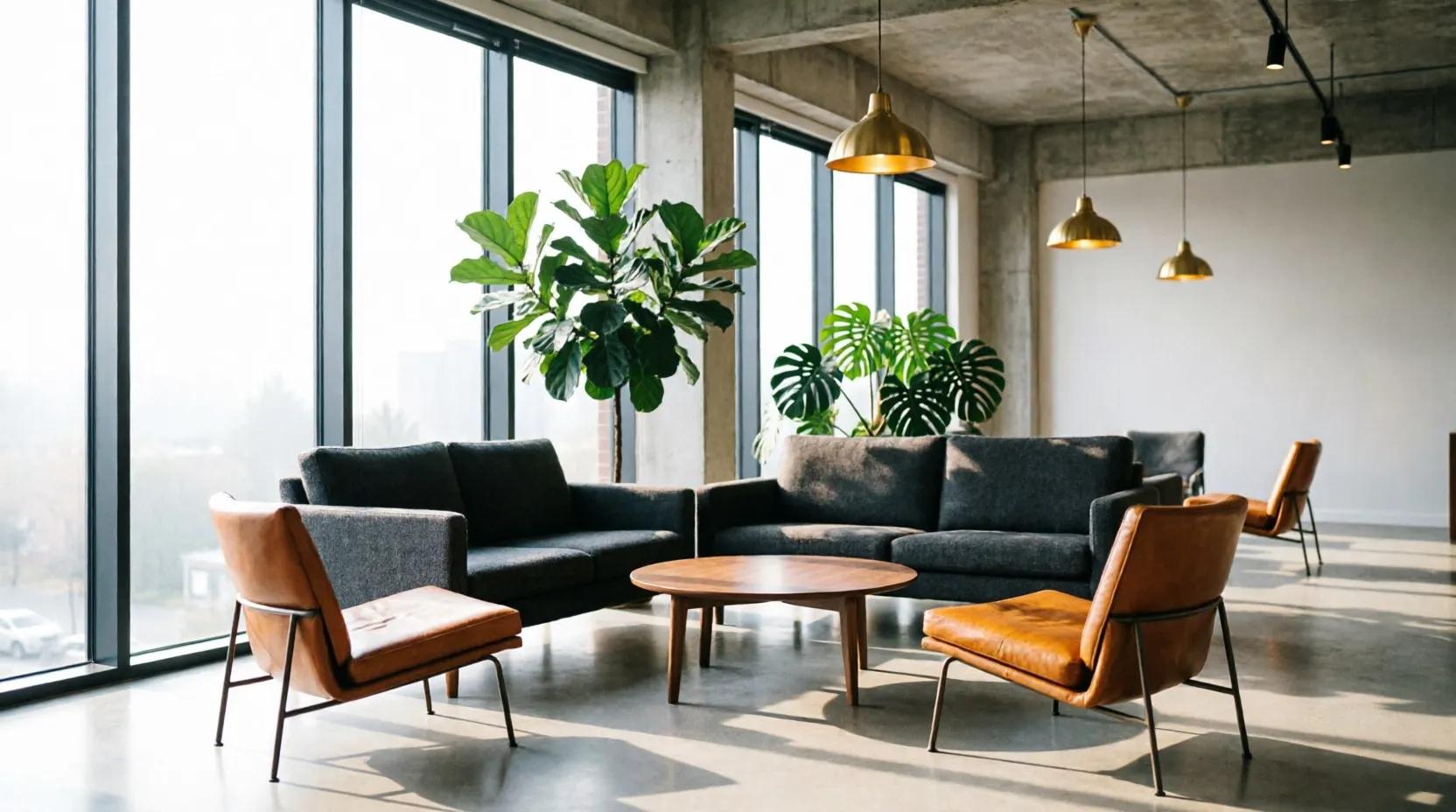
Commercial furniture has to work harder than furniture chosen for a private home. It needs to look good, support the brand, handle constant use, suit different body types, meet practical requirements and still feel welcoming to the people using the space every day. A chair, table or lounge setting might seem like a simple purchase at first, but in a workplace, venue, hotel, clinic, café or shared facility, those choices quickly affect comfort, flow and the overall impression of the business.
That’s why choosing from a commercial furniture range is about more than filling empty rooms. The right pieces help shape how people move, wait, meet, eat, relax, work or interact, and they can make a space feel more professional without tipping into cold or impersonal.
Think About the Way the Space Is Actually Used
A good commercial fit-out starts with behaviour, not furniture catalogues. Who’ll use the space? How long will they stay? Are they sitting for a quick appointment, a full workday, a long dinner, a client meeting or a short break between tasks? Will the furniture be moved often, cleaned daily, used outdoors, stacked away, or expected to stay in place for years?
Those questions matter because different settings create very different demands. A waiting room needs comfort, durability and a calm layout, while a hospitality venue may need furniture that can handle spills, fast turnover and constant rearranging. An office breakout area might need relaxed seating that still looks tidy, while a meeting room needs chairs that support focus without feeling too rigid.
When furniture suits the real use of the space, everything feels easier. Staff aren’t constantly adjusting awkward layouts, customers feel more comfortable, and the business avoids replacing pieces that were never right for the job in the first place.
Durability Shouldn’t Mean Dull Design
There’s still a lingering idea that commercial furniture has to look plain if it’s going to last, but that’s not really true anymore. Strong materials, good construction and practical finishes can sit comfortably alongside considered design, which means businesses don’t have to choose between style and performance.
The key is choosing materials with the setting in mind. Timber brings warmth, metal can add strength and structure, upholstery softens a room, and moulded finishes may offer easier cleaning in high-traffic areas. Outdoor or semi-outdoor spaces need even more care, since sun, moisture and temperature changes can quickly expose the difference between furniture that’s genuinely fit for purpose and furniture that only looked suitable online.
Maintenance also needs to be part of the conversation. A pale fabric chair may look beautiful in a quiet showroom, but it may not be the smartest choice for a busy café or family-friendly venue. The best pieces are the ones that still look good after real people have used them in real conditions.
Furniture Shapes the Brand Experience
People don’t always consciously judge a business by its furniture, but they do feel it. A wobbly table, uncomfortable chair or cluttered layout can make a space feel careless, while well-scaled, comfortable and cohesive furniture gives the impression that the business has thought things through.
This is especially important in customer-facing environments. Furniture helps communicate whether a place feels premium, casual, efficient, creative, family-friendly, relaxed or highly professional. It supports the brand without needing to announce anything. The shape of a chair, the spacing between tables, the quality of a finish and the comfort of a waiting area all contribute to the message.
Good Furniture Makes a Space Easier to Use
The best commercial furniture doesn’t draw attention for the wrong reasons. It feels appropriate, comfortable and durable, while helping the space do what it’s meant to do.
When businesses choose furniture with use, maintenance, comfort and brand experience in mind, they create environments that work better for everyone. Customers feel more at ease, staff can move more efficiently, and the space feels properly finished rather than simply furnished.