

Every home changes as it gets older. Spotting which signs of wear need attention first can make maintenance feel much more manageable. According to the National Association of Home Builders, the median age of owner-occupied homes has hit 42 years. This age is a significant marker for the remodeling market. Older homes are often less energy-efficient than newer ones and tend to need more repairs, upgrades, and renovations over time.
As your home gets older, signs of wear can become harder to ignore. You may notice peeling paint, worn flooring, outdated fixtures, small cracks, or rooms that feel past their prime. At the same time, aging can bring functional concerns, including plumbing leaks, electrical issues, roof damage, or inefficient heating and cooling.
Before you dive headfirst into a makeover, you must tackle a few key issues first. Create a practical plan that keeps your home safe and functional while gradually giving it the fresh, comfortable feel you want.
This article looks at what to tackle first when your home starts to show its age.
Address Structural Issues and Essential Repairs First
Before you spend money on new flooring, fresh paint, or stylish fixtures, make sure your home's essential parts are in good condition. Inspect your roof for missing shingles, leaks, or damaged flashing, and check the foundation for noticeable cracks or shifting. Also examine windows and doors for gaps, deterioration, or signs of water intrusion.
Addressing these concerns early can help you avoid more extensive damage and expensive repairs later. According to Better Homes & Gardens, you can handle many maintenance tasks by yourself. However, for bigger jobs, it's a smart move to leave them to the experts. These may include structural issues, significant pest problems, major plumbing work, electrical rewiring, and HVAC maintenance.
Persistent dampness, water stains, or musty areas can indicate problems that deserve closer attention. Deal with the root cause first, then repair any damage or add decorative touches. Once your home is structurally sound and protected from water, you can move forward with cosmetic updates. This ensures your investment rests on a stronger foundation.
Check Plumbing, Electrical Systems, and Other Hidden Essentials
Some problems in an aging home can stay hidden until they begin causing noticeable damage. Watch for dripping faucets, slow drains, leaking pipes, water stains, and inconsistent water pressure. Even a small leak can gradually damage walls, flooring, cabinetry, and surrounding materials if you leave it unresolved. Watch for flickering lights, warm outlets, or other electrical warnings that may point to aging components.
Opening walls or changing finishes without dealing with underlying issues can lead to more work and extra expenses later. Do not overlook other essential systems, including your water heater, ventilation, insulation, and heating and cooling equipment. These components may gradually lose efficiency or develop problems that affect comfort and everyday functionality.
Regular inspections can catch issues before they become costly or disruptive repairs. Putting these often-overlooked essentials at the top of your list helps ensure your home stays safe and dependable. It is a smart move before you start spending on those eye-catching upgrades.
Refresh Worn Walls and Outdated Interior Finishes
After the necessary repairs, focus on interior details that make your home look older than it really is. Peeling paint, scuffed walls, faded colors, chipped trim, and damaged finishes can make otherwise functional rooms appear neglected. A fresh coat of paint can quickly brighten your interiors and create a cleaner appearance. It can also bring different areas of your home together for a more cohesive look.
Instead of changing everything at once, focus on areas that show the most wear or have the greatest visual impact. Select long-lasting materials and timeless finishes that match your home's distinctive character. When choosing paint finishes, consider what each room needs, not just which color looks best. Durable, washable finishes work well in busy areas such as hallways, kitchens, and family rooms, where walls are more likely to collect marks.
In bathrooms and other moisture-prone spaces, consider products designed to handle humidity and frequent cleaning. Four Seasons Home Products notes that non-porous acrylic tiles for bathrooms are durable and easy to clean. Thoughtful choices help your refreshed walls maintain their appearance longer. They also give older spaces a simple, practical update without extensive remodeling.
Improve High-Use Areas for Everyday Comfort
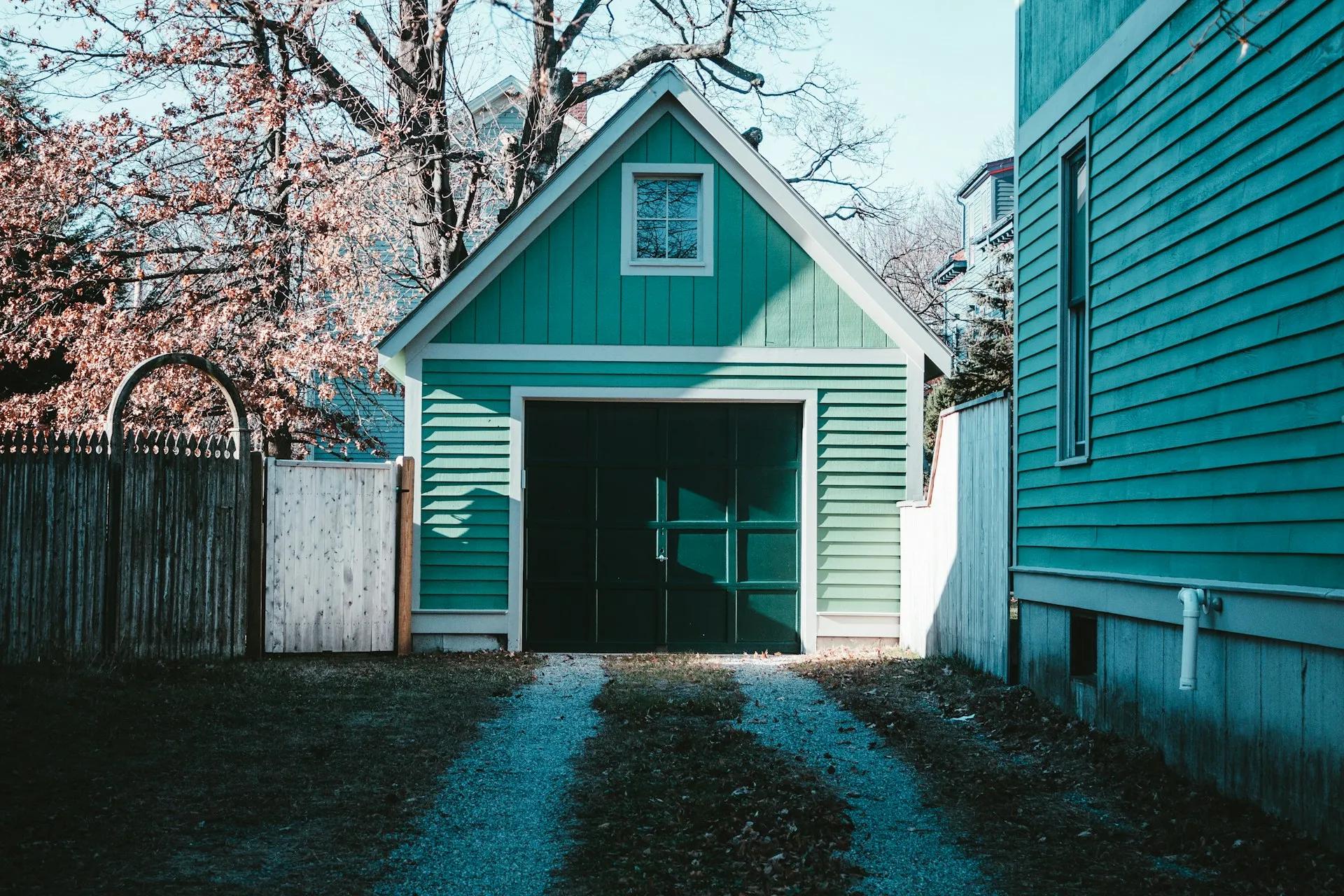
An article in The Spruce explains that smart homeowners prioritize improvements that will add the most value to their property. Kitchens, bathrooms, entryways, and other high-traffic areas tend to show their age faster than the quieter spots. Real estate expert Hans Ingram notes, “A new garage door can return 90-95% of its cost, one of the highest ROI improvements you can make.”
Worn fixtures, damaged cabinets, limited storage, and deteriorating fittings can make simple daily tasks feel difficult. Start by identifying what affects your comfort and convenience the most. You might repair loose cabinet doors, replace inefficient faucets, improve lighting, or add practical storage where clutter tends to build up.
You do not need a complete renovation to make these spaces work better for you. Small, targeted improvements can make cooking, cleaning, and organizing everyday essentials noticeably easier. Focus your budget on upgrades that solve practical problems rather than making changes based only on appearance. Prioritize function to make your spaces more comfortable and efficient, saving larger renovations for when the time is right.
Create a Phased Maintenance Plan That Fits Your Budget
An Investopedia article recommends budgeting at least 1% of a home’s value for annual maintenance costs. This helps you stay on top of both routine care and any emergency repairs that might arise. Factors such as your home's age, its size, location, and condition can affect how much you need to budget for maintenance.
When you start using your maintenance funds, prioritize your spending. Start by dividing projects into urgent repairs, preventive maintenance, and optional cosmetic upgrades. Address problems that could affect safety or cause further damage first. For larger projects, seek professional estimates and evaluate the materials based on price, longevity, and maintenance needs. This approach can help you make practical decisions without overspending.
Organize the projects in a sensible sequence. This will help you avoid the hassle of going back and fixing work you've already completed. Also keep a maintenance record that includes completed repairs, inspection dates, warranties, and upcoming tasks. Review your home for new signs of wear or deterioration. A phased plan spreads expenses over time while keeping important maintenance from becoming overwhelming.
FAQs
What should you fix first in an aging home?
Start with problems that could affect your safety or cause further property damage. Address structural concerns, active leaks, roofing issues, and deteriorating plumbing or electrical systems first. Once you’ve tackled those crucial repairs, shift to the fun stuff. Cosmetic updates and practical enhancements make your home look more appealing.
Is it better to repair plumbing before painting a house?
Yes, you should repair plumbing problems before painting your house. Fix leaks and moisture issues first, then allow affected surfaces to dry completely. Replace or repair any damaged materials before applying paint. Addressing the underlying problem helps prevent water stains, peeling paint, mold growth, and repeated repairs later.
How can you update an older home without spending too much?
Start by prioritizing urgent repairs and completing smaller improvements in stages. Choose durable materials that provide long-term value instead of following expensive trends. Refresh worn walls, repair existing fixtures, improve storage, and concentrate on the spaces you use regularly. These practical updates can noticeably improve your home without requiring a costly renovation.
Key Takeaways
Priority | Area to Address | Recommended Actions |
1 | Structural issues | Repair roof damage, foundation cracks, leaks, and damaged windows or doors. |
2 | Essential systems | Check plumbing, electrical wiring, water heaters, ventilation, and HVAC systems. |
3 | Interior finishes | Repaint worn walls, repair chipped trim, and refresh outdated finishes. |
4 | High-use areas | Improve kitchens, bathrooms, entryways, lighting, fixtures, and storage. |
5 | Maintenance planning | Set a budget, prioritize projects, schedule inspections, and track repairs. |
An older home does not have to feel like an endless list of projects. With a thoughtful approach, you can make steady progress while preserving the character that makes your space feel familiar and personal.
Understand what your home really needs and make choices that reflect your lifestyle. Every small upgrade creates a space that feels dependable, warm, and enjoyable. With these enhancements, your home will support you comfortably for many years to come.