

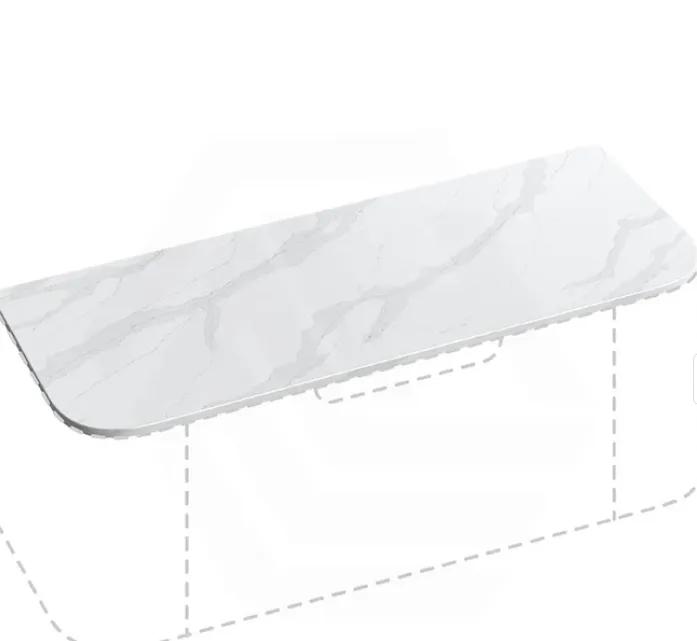
Updating a vanity top instantly refreshes a bathroom, but many buyers rush the decision and regret it later. The right top must fit your vanity, suit your daily habits, and match your overall design style. You also need to think about water resistance, durability, and how much cleaning you are willing to do. Stone tops, such as gloss white options with curved edges, now come in many sizes to suit compact powder rooms and larger family bathrooms. Before you order, carefully check measurements, sink placement, tapware, and colour consistency, because stone colours can vary between batches. With a bit of planning, you can choose a vanity top that looks good and performs well for years.
What Factors Should You Consider Before Buying a Vanity Top?
Measuring Size and Ensuring Proper Fit
Accurate measurements prevent costly mistakes. Start by measuring the existing vanity cabinet: length, depth, and height. Note walls on each side, doors that swing in, and any nearby windows or power points. Many stone vanity tops come in set lengths, such as 600, 750, 900, 1200, 1500, and 1800mm, with a standard thickness like 20mm. Choose the closest size that suits your space and plumbing layout. Allow for overhang at the front and sides, usually 10–20mm, and make sure drawers can still open freely. If you plan an above-counter basin, leave enough room behind or beside it for a short or tall basin mixer. Always double-check measurements before ordering custom cutting or tap and basin holes.
Choosing the Right Material for Durability
Material choice affects how your vanity top looks and how long it lasts. Stone is one of the most popular options because it delivers a hard, durable surface suited to steamy bathrooms. Engineered stone and solid surface tops resist stains and daily wear better than many laminates. Natural stones like granite and marble offer unique veining but may need sealing and more careful cleaning. A gloss white stone canvas finish gives a sleek, modern look and pairs well with most tiles and fittings. Check the thickness, such as 20mm, to ensure the top feels solid and resists chipping. If you expect heavy use from kids or guests, choose a material with strong scratch and moisture resistance.
Sink Types and Configuration Options
Sink type shapes both style and function. Above-counter basins create a designer focus and work well with curved edge stone tops that frame the bowl. Undermount basins give a sleek, easy-to-wipe surface and maximise counter space. Semi-recessed options suit narrow bathrooms where depth is limited. Decide whether you need a single or double bowl based on users and storage needs. Then match your basin with tapware: short basin mixers usually suit inset or undermount sinks, while tall basin mixers pair with above-counter basins. Basin tap sets and matching pop-up wastes create a coordinated look. Check that cut-outs for basins and taps match the manufacturer’s templates, and ask customer service for stone cutting advice if needed.
Key Features to Look for in a Vanity Top
Popular Materials: Quartz, Granite, Marble, and Solid Surface
Quartz vanity tops offer excellent durability, low porosity, and a wide colour range, which makes them ideal for busy family bathrooms. Granite brings a natural, speckled look and strong heat resistance, but it may need sealing and a bit more care. Marble feels luxurious, with soft veining and a classic appeal, yet it can stain and scratch more easily from cosmetics and harsh cleaners. Solid surface tops provide seamless joins, repairable finishes, and flexible shapes, including integrated basins. Engineered stone in gloss white canvas delivers a consistent, modern appearance, often in standard thicknesses like 20mm. When comparing these materials, focus on stain resistance, impact resistance, and how well each option suits your daily routines and cleaning habits.
Finishes, Colors, and Edge Profiles Explained
Finish influences both appearance and maintenance. Gloss finishes, such as a gloss white canvas stone, reflect light and make small bathrooms feel larger, but they may show water spots more easily. Honed or matte finishes hide fingerprints and smudges, creating a softer look. Colour choice should complement tiles, cabinetry, and tapware; white and light neutrals keep the room bright and timeless. Edge profiles also matter. A curved edge softens the look, adds safety by removing sharp corners, and suits contemporary designs. Square or pencil edges give a clean, minimal style, while more detailed edges suit traditional bathrooms. Confirm that the chosen edge profile is available on your selected material and length before finalising the order.
Maintenance Needs and Long-Term Performance
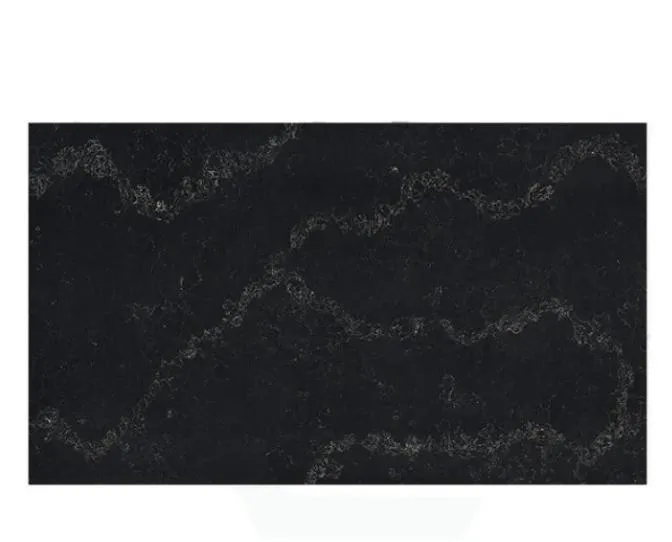
You should understand the care routine before you commit to a vanity top. Non-porous engineered stone and many solid surface materials only need mild soap and water for daily cleaning. Natural stones, particularly marble, may require pH-neutral cleaners and periodic sealing to keep stains and etching at bay. Glossy surfaces can highlight dried water drops, so regular wiping helps preserve their shine. Check whether the top resists common bathroom products such as toothpaste, makeup, and hair dye. Ask the supplier about warranty terms, batch colour variation, and recommended cleaners. A 20mm thick stone top with a robust finish usually offers better long-term performance, especially in family homes where vanities handle frequent splashes and daily use.
How to Choose the Best Vanity Top for Your Bathroom? (130 words)
Start by clarifying how you use the bathroom. A family space with children needs a tough, low-maintenance top, while an ensuite can handle a more delicate, showpiece surface. Measure your vanity cabinet and room carefully, then compare those numbers with standard stone top sizes like 600 to 1800mm lengths. Decide whether you want an above-counter basin, undermount, or semi-recessed option, and choose compatible tapware, including short or tall basin mixers and matching pop-up wastes. Select a material and finish that balance style, durability, and cleaning effort. A gloss white stone top with a curved edge suits many modern designs and coordinates easily with different basins. Before ordering, confirm cutting requirements with customer service, and remember that stone colours may vary slightly between batches.
Conclusion
A bathroom vanity top does more than hold a basin; it sets the tone for your entire bathroom and handles daily wear. When you assess size, material, sink configuration, and finish before you buy, you avoid fitting issues and disappointing performance. Durable stone tops in gloss white canvas, offered in standard lengths and practical 20mm thickness, deliver both strength and style. Curved edges increase comfort and safety, while coordinated tapware and basins complete the look. Take time to compare options, discuss cutting needs with the supplier, and check colour consistency. With thoughtful planning, your new vanity top will enhance your bathroom’s style, function, and value for many years.