

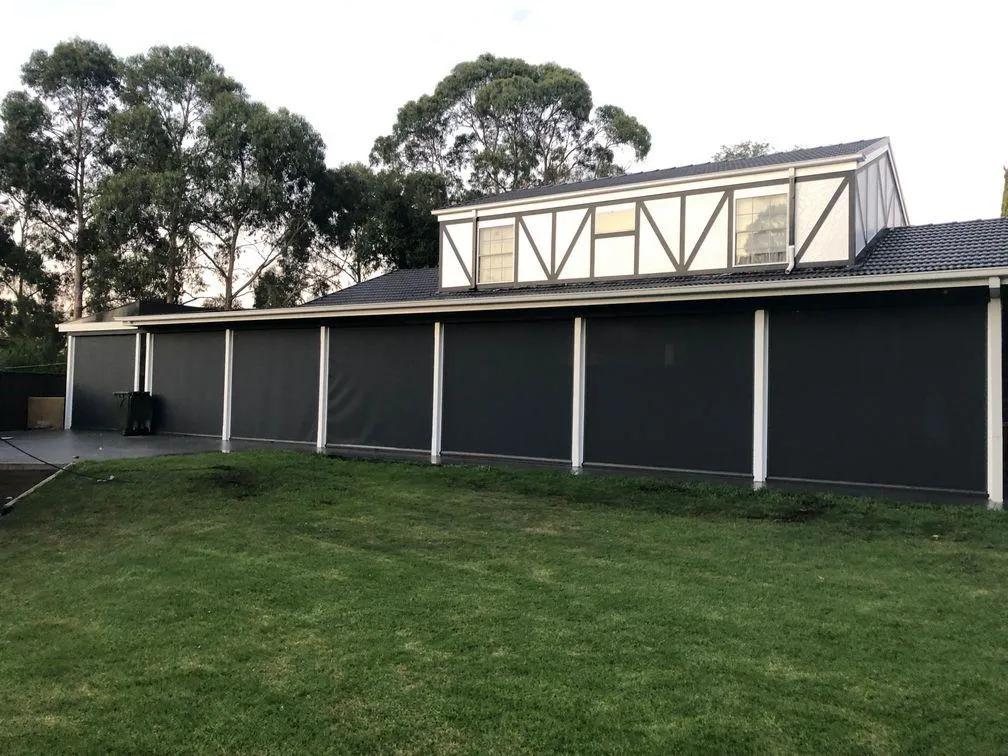
Melbourne's weather has a well-earned reputation for doing four seasons in one day, which makes outdoor living areas a bit of a gamble without the right protection. A well-designed alfresco or deck can sit unused for large chunks of the year simply because it's too hot, too windy, or too exposed to sudden rain. Installing quality outdoor blinds Melbourne homeowners are increasingly choosing turns that unpredictable space into a room you can actually use most weeks of the year.
Here's why outdoor blinds have become one of the more popular home upgrades across Melbourne, and what to consider before choosing a style.
More Usable Days, Not Just Nicer Ones
The most obvious benefit of outdoor blinds is straightforward: they extend the number of days your outdoor area is actually comfortable to use. Blocking harsh western sun in summer, cutting wind chill in winter, and providing quick shelter from a sudden downpour all add up to an outdoor space that earns its keep year-round rather than sitting empty for half of it.
This matters more in Melbourne than in most Australian cities, given how quickly conditions can change within a single afternoon. A blind that can be lowered in seconds when a gust of wind or a spot of rain rolls in is far more practical here than a fixed shade structure that can't adapt.
Adding Real Value to the Home
Beyond day-to-day comfort, a well-executed outdoor blind installation genuinely adds to a property's appeal. Buyers and renters increasingly view a usable, weatherproof outdoor space as a genuine extension of the home's living area rather than a nice-to-have, and blinds are one of the more cost-effective ways to achieve that compared to a full alfresco enclosure or pergola rebuild.
Choosing Between Fabric, PVC and Zip-Track Styles
Not all outdoor blinds serve the same purpose. Mesh fabric blinds are excellent for cutting glare and UV while still allowing airflow, which suits north or west-facing spaces that need shade more than full enclosure. Clear PVC blinds prioritise weatherproofing and visibility, ideal for spaces that need to function almost like an extra room during cooler months. Zip-track systems sit somewhere in between, offering a tighter seal against wind while still allowing the blind to retract cleanly when not needed.
North or west-facing alfresco: mesh or a combination blind to manage heat and glare.
Entertaining areas used year-round: PVC or zip-track for genuine weatherproofing.
Wind-exposed decks: zip-track systems for a tighter, more secure seal.
Budget-conscious upgrades: café-style fabric blinds for a simpler, cost-effective option.
Getting the Installation Right Matters
Outdoor blinds are exposed to genuine weather stress, so the quality of the installation matters as much as the product itself. Poorly fitted tracks or brackets tend to fail within a season or two, particularly in exposed positions. A local installer who understands Melbourne's wind loading and typical house construction will generally get the bracket positioning and tension right the first time, which makes a noticeable difference to how long the blinds last.
Custom Measuring Beats Off-the-Shelf Options
Very few Melbourne homes have perfectly uniform alfresco openings, particularly on older properties or additions built in stages. A custom-measured blind accounts for the slight variations in a real opening, sealing gaps that a standard, off-the-shelf size would leave exposed to wind and driving rain. It also means the finished look sits flush against posts and beams, rather than looking like an obvious retrofit bolted onto an otherwise well-finished outdoor area.
Motorisation is another factor worth considering upfront, even if it adds to the initial cost. A remote or app-controlled blind is far more likely to actually get used day to day compared to a manual crank system, particularly for larger openings where manual operation becomes a genuine chore. Many Melbourne homeowners find that a motorised system pays for itself simply by getting used more often, rather than staying rolled up out of sheer inconvenience, and integration with existing smart home systems is increasingly common for those who want full control from a phone.
Matching Blinds to Your Home's Style
It's easy to focus purely on function and forget that outdoor blinds are also a visible part of your home's exterior. Frame colours, fabric tones and even the visible stitching detail on PVC panels can either blend seamlessly with your existing colour scheme or stand out as an obvious add-on. A good supplier will bring physical samples to your home rather than asking you to choose from a screen, since fabric and frame colours can look quite different once they're seen against your actual brickwork, cladding or existing outdoor furniture.
Final Thoughts
Outdoor blinds are one of those upgrades that quietly pay for themselves through everyday use rather than a single dramatic transformation. If your outdoor area spends more time empty than occupied because of the weather, it's well worth getting a measure and quote to see what a properly fitted set of blinds could add to how you actually use your home. Most Melbourne suppliers offer an obligation-free on-site measure, which is a low-effort way to get a realistic sense of cost before committing to anything.
Melbourne's building surveyors and product certifiers have also tightened their focus on wind rating compliance for outdoor structures in recent years, so it's worth confirming that any blind system you're considering has an appropriate wind rating for your specific location, particularly on exposed or elevated properties. A reputable installer will be able to talk you through this without you needing to chase down the technical specifications yourself.