

A slow-draining sink, shower, or basin may seem like a minor inconvenience at first. Many homeowners assume that if water is still flowing away, the problem can wait until later. However, slow drains are often one of the earliest warning signs that something more serious may be developing within the plumbing system. Property owners who contact Mosman blocked drains experts frequently discover that small drainage issues can quickly become larger and more expensive problems if left unresolved.
Drainage systems are designed to move wastewater efficiently away from the property. When this process becomes restricted, it often indicates that debris, damage, or other obstructions are affecting the pipes. Identifying and addressing slow drains early can help protect plumbing systems and reduce the risk of major repairs.
Build-Up Inside Pipes Develops Gradually
Drain blockages rarely occur suddenly. In many cases, materials accumulate slowly inside pipes over time, gradually reducing the amount of space available for water to flow freely. Kitchen sinks, bathrooms, and outdoor drains all experience different forms of build-up depending on how they are used. As these materials continue to accumulate, drainage performance may steadily decline.
Common causes of pipe build-up include:
Grease and fats
Hair accumulation
Soap residue
Food particles
Sediment and debris
Regular maintenance can help remove these materials before they develop into significant blockages.
Slow Drains Can Lead to Complete Blockages
A slow drain often represents the early stages of a larger problem. While water may still pass through the pipe, the restriction can continue growing until the drain becomes completely blocked. Once a blockage becomes severe, wastewater may no longer flow properly through the drainage system. This can result in overflowing fixtures, unpleasant odours, and disruptions to daily activities.
Addressing slow drains early allows potential issues to be identified before they escalate into emergencies. Prompt action often helps reduce repair costs and minimise inconvenience. Waiting until a drain stops functioning completely may lead to more extensive plumbing work.
Tree Roots Frequently Affect Underground Drains
Tree roots are a common cause of blocked drains across many residential properties. Roots naturally seek moisture and can enter small cracks or joints within underground pipes. Once inside the drainage system, roots may continue growing and create restrictions that affect water flow. Slow drainage is often one of the first signs that root intrusion may be present.
Signs that tree roots may be affecting drains include:
Recurring blockages
Gurgling sounds
Slow water flow
Overflowing drains
Unpleasant odours
Professional inspections can help determine whether root intrusion is contributing to ongoing drainage problems.
Damaged Pipes May Restrict Water Flow
Drain pipes can deteriorate over time due to age, ground movement, corrosion, or external pressures. Cracks, misalignments, and collapsed sections may all interfere with normal drainage performance. When pipe damage occurs, debris can become trapped more easily, increasing the likelihood of recurring blockages and slow drainage. In some cases, homeowners may not be aware of the damage until symptoms become more noticeable.
Early detection of damaged pipes helps prevent further deterioration and supports more effective repairs. Addressing structural issues promptly often contributes to better long-term plumbing performance. Maintaining healthy pipes helps protect both the drainage system and the property.
Slow Drains Can Increase the Risk of Water Damage
Restricted drainage can sometimes cause water to back up into sinks, showers, or outdoor areas. If wastewater is unable to move efficiently through the system, overflows may occur. Water damage can affect flooring, cabinetry, walls, and surrounding building materials. Even relatively small drainage problems can lead to costly repairs if excess water is allowed to accumulate over time.
Property owners should monitor for warning signs such as:
Water pooling around drains
Overflowing fixtures
Damp areas
Musty odours
Persistent drainage issues
Identifying these signs early may help reduce the risk of more extensive property damage.
Modern Technology Helps Diagnose Drain Problems
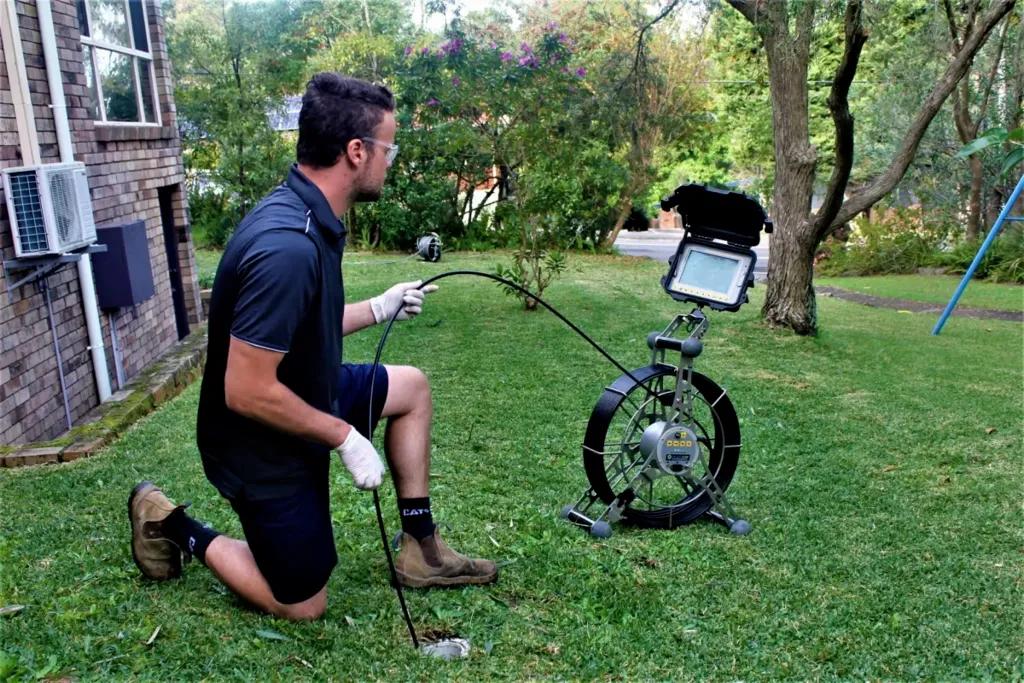
Advances in plumbing technology have significantly improved the ability to diagnose drainage issues. Professional plumbers now use specialised equipment to inspect drains and identify underlying problems more accurately. CCTV drain cameras allow plumbers to view the inside of pipes and determine the location and cause of blockages. High-pressure water jetting can also help remove stubborn debris and restore normal flow.
These technologies provide valuable insights into pipe condition while reducing unnecessary excavation and guesswork. Accurate diagnosis helps ensure that appropriate repair methods are selected. Modern plumbing tools continue to improve the efficiency and effectiveness of drain maintenance.
Preventative Maintenance Supports Long-Term Drain Health
Regular drain maintenance is one of the most effective ways to support long-term plumbing performance. Preventative care helps identify developing issues before they become major disruptions. Routine inspections and cleaning can reduce the likelihood of severe blockages while extending the lifespan of drainage infrastructure. A proactive approach often results in fewer emergency callouts and improved system reliability.
Investing in preventative maintenance allows homeowners to manage minor concerns before they require larger repairs. Healthy drains contribute to a safer, more efficient, and more reliable plumbing system. Ongoing maintenance remains an important part of protecting any property's plumbing infrastructure.
Conclusion
Slow drains should never be ignored because they often indicate developing issues within the plumbing system. Whether caused by debris build-up, tree roots, or damaged pipes, restricted drainage can worsen over time if left untreated.
By recognising warning signs early and seeking professional assistance when needed, homeowners can reduce the risk of complete blockages, water damage, and costly repairs. Modern diagnostic technologies and preventative maintenance strategies provide effective ways to maintain healthy drainage systems. Taking a proactive approach to drain care helps ensure plumbing systems continue operating efficiently while protecting the long-term condition of the property.