

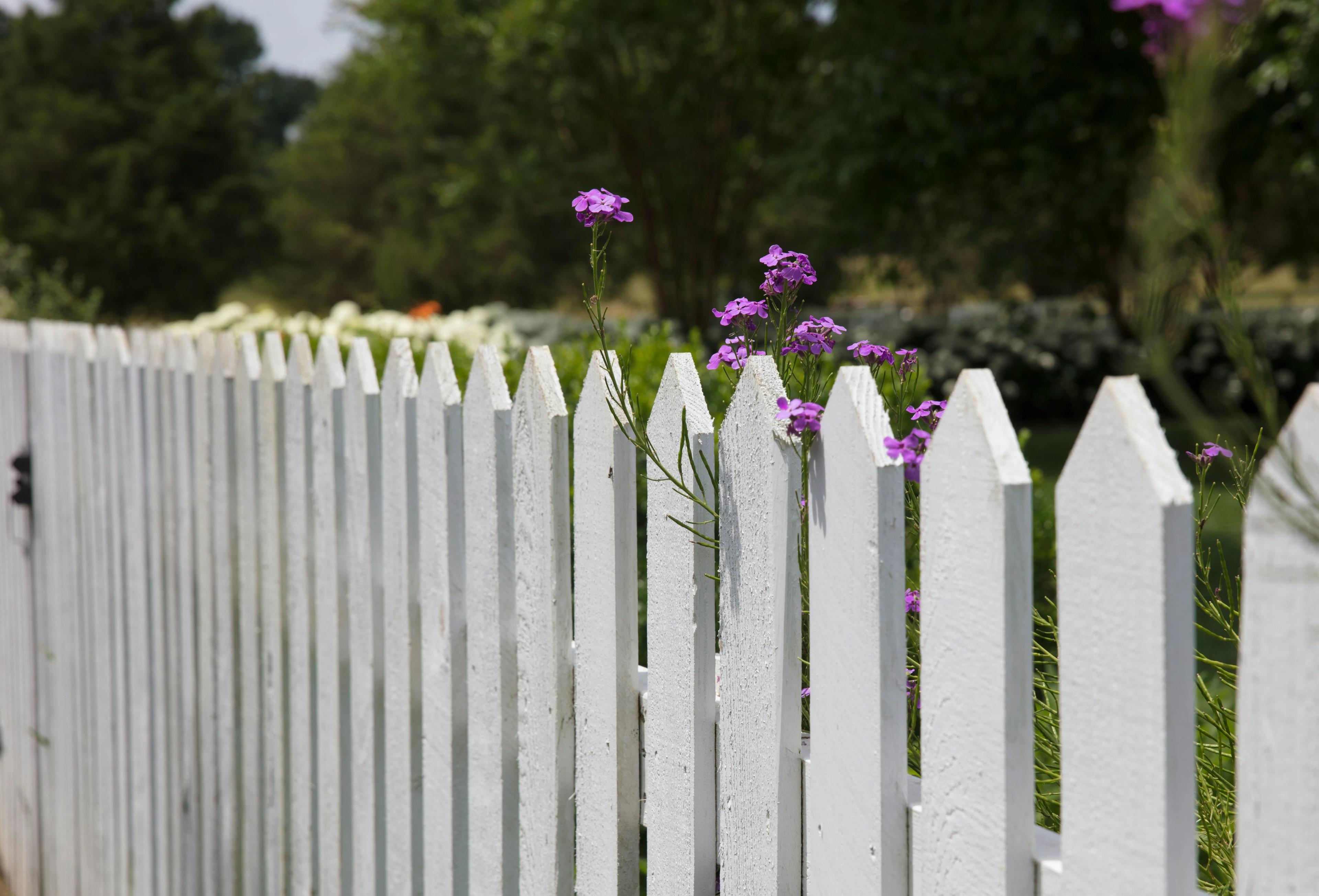
As you know, one week it’s heavy rain, the next it’s wind, frost, then sunshine that dries everything out again. If you’ve ever fixed something outdoors that felt solid in summer but wobbled by winter, you’re not alone.
The good news? A few smart choices at the install stage can make garden upgrades last far longer - without turning your weekend project into a professional build.
Below are some simple, real-world tips that help outdoor fixes stay put year after year.
1. Fix trellis to brick walls, not just mortar
Trellis panels look great, but they’re often attached to weak places.
Tip: Fix into the brick itself rather than the mortar joint where possible. Mortar can crumble over time, especially after repeated freeze–thaw cycles.
Using fixings designed for masonry gives a much stronger hold and reduces the risk of panels loosening or pulling away after strong winds.
2. Don’t underestimate wind
Anything that catches wind - trellis, privacy screens, tall planters - puts more stress on fixings than you expect.
Tip: Space fixings slightly closer together outdoors than you would indoors. Spreading the load across more fixing points reduces strain on each one during storms.
3. Choose fixings based on the wall, not the job
A common mistake is choosing screws based on what you’re fixing to the wall, rather than what the wall is made of.
Tip: Brick, block and concrete all behave differently to timber or plasterboard. For solid masonry, concrete screws available on Speedy Fixings are designed to bite directly into the material, helping prevent movement after a harsh winter.
4. Mount garden storage slightly off the ground
Outdoor storage boxes, cabinets and bike mounts often fail from moisture build-up, not weight.
Tip: Leave a small gap between storage units and the ground or wall surface. Better airflow helps prevent rot, corrosion and freeze damage around fixing points.
5. Anchor benches and planters discreetly
Benches and heavy planters can shift over time, especially on patios or near exposed edges.
Tip: Anchor from the inside or underside where possible so fixings stay hidden. This keeps the look clean while adding stability - especially useful in family gardens or shared spaces.
6. Seal around fixings, not just the surface
Water getting into the fixing holes is one of the biggest causes of outdoor DIY failure.
Tip: A small bead of exterior sealant around fixing heads can stop moisture tracking into brickwork. It’s quick, cheap, and adds years to outdoor installations.
Final thoughts
Most garden upgrades don’t fail because they’re badly designed - they fail because outdoor conditions expose small weaknesses over time.
By thinking about wind, moisture, wall type and fixings from the start, you can make simple projects last through British winters without constant repairs.