

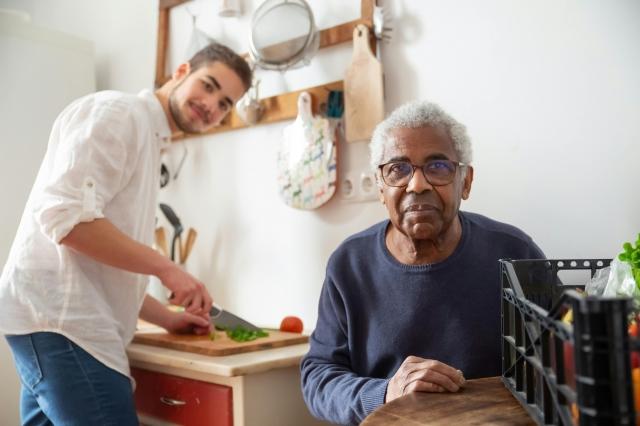
Staying independent is important for seniors to live comfortably and enjoy a full, meaningful life at home. Daily tasks can become increasingly challenging as people age, affecting both physical health and emotional well-being. With the right support, seniors can carry out their daily routines safely while maintaining confidence and independence.
Recent trends show that home healthcare in the United States is growing rapidly, reflecting the increasing demand for in-home support. Grand View Research reports that the U.S. home healthcare sector was estimated at $162.35 billion in 2024. It is expected to grow to $381.40 billion by 2033, with an average annual growth rate of 10%.
Home care services and in-home helpers, such as the Herewith caregivers, provide the guidance and support seniors need without taking away their autonomy. This article focuses on how specialized home care plans allow seniors to enjoy a better, safer, and more fulfilling life.
Personalized Assistance Through Senior Care Services
Home care can be tailored to match each senior's unique needs, providing the right level of support for daily routines. Caregivers evaluate individuals' needs and create personalized plans that support independence while keeping them safe and comfortable. Many families rely on senior care services to provide this personalized attention, allowing seniors to continue performing activities at their own pace and maintain their dignity.
Everyday tasks like meal preparation, light housekeeping, or medication reminders can be adapted to seniors' capabilities. Caregivers focus on enhancing strengths while gently assisting with challenges to ensure seniors remain active and engaged. Structured routines provide consistency, making it easier for individuals to follow habits and maintain a sense of normalcy.
Professional support combines practical help with skill reinforcement, enabling seniors to retain independence in tasks they can manage alone. Caregivers teach safe techniques for chores, mobility, and daily routines, helping individuals maintain confidence.
CareChoice highlights the importance of choosing the right provider so seniors can have a trusted caregiver who truly understands their needs. This ensures each senior receives a personalized care plan, keeping them comfortable and supported in their own homes. Professional caregivers also provide exceptional personal care solutions and compassionate help with daily tasks, promoting independence and confidence.
Support Daily Living and Mobility
Maintaining mobility is essential for seniors to perform daily activities safely and independently. Home care professionals guide seniors on safe movement techniques to prevent accidents and preserve confidence.
Caregivers often assist with tasks such as bathing, dressing, and light housekeeping while encouraging seniors to do what they can independently. This balance helps maintain physical strength and flexibility. Simple routines, like walking short distances or stretching, reinforce mobility and reduce the risk of injury.
Proper support also includes organizing the home to make movement easier and safer. Caregivers recommend mobility aids, remove tripping hazards, and create accessible pathways. These small adjustments help seniors navigate their homes confidently and maintain independence.
Research in Nature indicates that limited mobility is an early indicator of declining physical fitness in older adults. Nearly one-third of people aged 70 and the majority of those aged 80 face challenges moving around their homes or immediate living areas.
This limited mobility increases the risk of falls, injuries, and hospitalization. Home care assistance ensures seniors maintain safe movement and continue participating in daily activities despite these challenges.
Cognitive and Emotional Support at Home
Caregivers play a key role in supporting seniors' mental sharpness through everyday activities. Simple routines like reading together, playing board games, or solving puzzles help maintain memory and problem-solving skills. Encouraging conversation during meals or household tasks also stimulates thinking and keeps the mind engaged.
Emotional well-being is supported through social interactions integrated into daily life. Caregivers can involve seniors in light chores, gardening, or preparing meals, providing a sense of purpose. Moreover, caregivers can leverage recent research to improve their approach to better cognitive and emotional health.
Research published in JAMA shows that lifestyle interventions can notably enhance cognitive abilities in older adults at risk of decline or dementia. Both guided and structured approaches improved mental function, with structured programs producing the most significant overall gains.
Participants in the structured program took part in 38 peer-supported sessions over two years and followed a detailed plan with clear, measurable objectives. These objectives included aerobic, strength, and flexibility exercises, following the MIND diet, engaging in cognitive exercises, and participating in social activities.
Encourage Healthy Nutrition and Wellness
Eating well is important for seniors to maintain energy, stay healthy, and manage everyday activities on their own. Caregivers can support healthy eating through meal planning, preparing balanced meals, and encouraging hydration throughout the day. Simple routines like involving seniors in cooking or grocery planning also engage them in meaningful activities while promoting autonomy.
Home care professionals can use everyday activities to reinforce wellness habits. Preparing meals together, organizing snacks, or guiding portion control allows seniors to participate without losing independence. These small, consistent actions help maintain energy, strength, and overall health while supporting safe and enjoyable daily routines.
However, providing effective nutrition support in home care comes with challenges. A study published in JLTC explored interventions to improve food and drink-related care for older adults, but home care workers were often underutilized. While some programs relied on dieticians, volunteers, or healthcare staff for meal support, home care workers were not consistently involved in daily meal preparation, monitoring intake, or encouraging hydration.
Approaches that successfully integrated home care into everyday nutrition routines, such as planning meals, assisting with preparation, and prompting seniors to eat and drink, showed better results. Improving home care workers' training and involvement can help seniors maintain proper nutrition, stay hydrated, and preserve their independence in daily living.
FAQs
1. How can home care prevent social isolation in seniors?
Home care supports seniors in remaining socially connected through regular companionship and everyday interactions. Caregivers encourage participation in hobbies, community activities, and friendly conversations to maintain emotional connection. These efforts reduce feelings of loneliness while supporting overall mental well-being.
2. What role does technology play in home care for seniors?
Technology in home care allows seniors to communicate with family and caregivers easily and safely. It helps with daily reminders, virtual check-ins, and tracking personal routines without depending solely on others. Using technology supports independence, engagement, and a stronger sense of control over daily life.
3. Can home care assist seniors with chronic pain management?
Home care provides support by helping seniors manage pain through proper movement and gentle physical activities. Caregivers assist with positioning, comfort strategies, and stress reduction techniques during everyday routines. This approach enhances mobility, eases discomfort, and allows seniors to participate in daily activities more confidently.
Home care is essential for supporting seniors in staying independent while managing their everyday tasks. Personalized support, cognitive engagement, nutrition guidance, and mobility assistance allow seniors to live safely and comfortably. Structured routines and emotional support improve quality of life. Bringing professional care into the home helps seniors maintain independence, feel more confident, and support their overall health and happiness.