Chronic pain is a daily reality for millions of Americans. A 2021 study from the U.S. Centers for Disease Control and Prevention found that about 20.9% of adults, roughly 51.6 million people, live with ongoing pain. These are adults who struggle to sit comfortably at work or experience discomfort during even the most basic activities. If you're one of them, you know how exhausting it can be to rely on painkillers, injections, or surgeries that only bring short-term relief. (1)
Today, a new wave of science is offering a different path forward. Regenerative medicine, specifically stem cell therapy, is helping people heal naturally by using the body's own cells to repair damaged tissues and reduce inflammation. Instead of masking pain, these treatments help restore balance and mobility, giving you the chance to move, live, and feel better without depending on invasive procedures.
Here, you'll learn how regenerative medicine and stem cell therapy are helping people live more positively and pain-free.
Understanding Regenerative Medicine: Stem Cell Therapy
Regenerative medicine focuses on repairing or replacing damaged tissues using the body's own healing abilities. Instead of simply managing symptoms, it aims to target the root cause of pain by helping your body regenerate healthy cells and tissue.
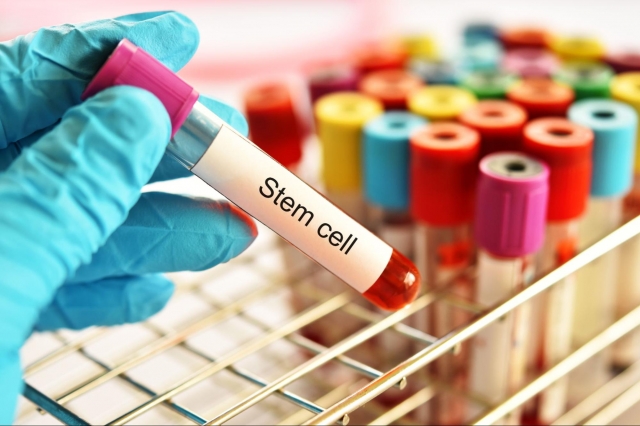
One of the most exciting advancements in this field is stem cell therapy. This treatment uses special cells capable of transforming into different types of tissue, such as bone, cartilage, or muscle, depending on where they're needed most.
In Chicago, medical professionals are leading the way in developing safe, innovative regenerative therapies. Visiting a stem cell therapy clinic in Chicago gives you access to physicians trained in advanced techniques, modern lab technology, and personalized treatment plans tailored to your unique needs. It's part of a growing effort across the city to make cutting-edge wellness solutions more accessible to those seeking long-term relief without invasive surgery.
How Regenerative Medicine Helps the Body Heal and Thrive
Below are some of the ways regenerative medicine, like stem cell therapy, helps people experience real relief and renewed movement.
Support Natural Healing From Within
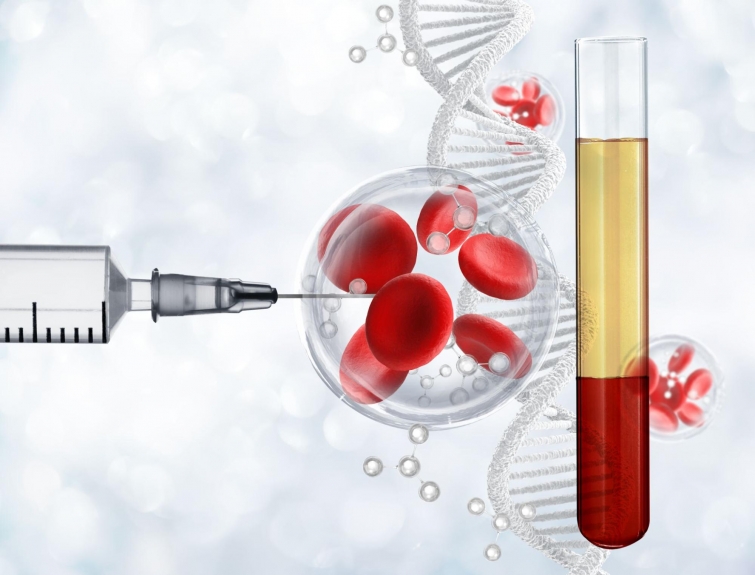
What makes stem cell therapy remarkable is how it stimulates your body's own repair mechanisms. Instead of relying on synthetic drugs, these treatments encourage your cells to do the work naturally. Adult stem cells, often harvested from bone marrow or fat cells, are processed and carefully injected into the affected area, such as a knee joint or shoulder. Once introduced, these cells release growth factors that promote tissue regeneration and accelerate healing.
Research continues to show promising results. In one large review analyzing 66 studies with over a thousand patients who had spinal cord injuries, nearly 40% experienced noticeable functional improvements after stem cell therapy. It's solid proof that the body's own cells hold remarkable potential for recovery. (2)
This same process can support healing for people dealing with chronic pain, joint deterioration, or degenerative spinal discs. It's also used to help repair orthopedic injuries, calm autoimmune conditions, and reduce inflammation-related issues like rheumatoid arthritis. Over time, many patients notice better mobility, less pain, and a higher quality of life, all without heavy reliance on medication.
Ease Joint Pain and Restore Mobility
Joint pain is one of the most common issues people face as they get older or stay active over the years. In fact, osteoarthritis, the most common cause of joint pain, affects an estimated 528 million people worldwide, with knees being the most frequently affected. It's not just an “aging problem." Repetitive movements, past injuries, and even lifestyle factors can speed up cartilage wear and tear. (3)
The cartilage that cushions your joints is what allows you to move freely and comfortably. But once it starts to break down, every step or twist can feel like friction grinding between bones. Medications and even surgery can provide relief for knee pain for a while, but they often don't fix what's actually happening inside the joint.
With stem cell therapy, your body gets the support it needs to rebuild cartilage and reduce inflammation. Over time, that means less stiffness, smoother movement, and a better chance of living without that constant, nagging pain.
Offer Hope for Chronic Pain Conditions
Chronic pain can take a toll not just physically but emotionally. It drains energy, limits independence, and can lead to frustration or anxiety. Regenerative medicine provides an alternative for those who've exhausted traditional options. Treatments using platelet-rich plasma (PRP) or stem cell transplantation can help relieve inflammation and promote long-lasting healing for musculoskeletal system conditions such as tendon injuries or lower back pain.
What sets regenerative approaches apart is their potential to create lasting change. They work to repair damaged tissues and improve function at the cellular level. Over time, this means fewer flare-ups, improved mobility, and reduced dependency on prescription painkillers.
Reduce Recovery Time and Avoid Surgery
One of the biggest benefits of regenerative medicine is that it's minimally invasive. Most procedures are done using precise injections guided by ultrasound imaging. Patients typically resume normal activities within days instead of weeks or months. This makes it a practical choice for individuals hoping to avoid back surgery, hip replacement, or other invasive procedures.
For athletes or active adults, regenerative medicine can also support faster healing from sports-related injuries. Treatments like PRP or stem cell therapy can shorten the rehabilitation process and get you back to your routine with renewed confidence.
Regenerative medicine gives people a reason to believe in recovery again. From easing joint pain to reducing chronic inflammation, it helps restore what pain and time have taken away.
Key Takeaway
Regenerative medicine, such as stem cell therapy, is changing how people approach pain and healing. It promotes your body's own ability to repair itself, giving new hope for long-term relief and improved well-being. For many, it means waking up with less stiffness, feeling more capable each day, and finally enjoying life without the constant reminder of pain.
References:
- “Chronic Pain”, Source: https://my.clevelandclinic.org/health/diseases/4798-chronic-pain
- “Current status and future perspectives on stem cell transplantation for spinal cord injury”, Source: https://pmc.ncbi.nlm.nih.gov/articles/PMC10989472/
- “Osteoarthritis”, Source: https://www.who.int/news-room/fact-sheets/detail/osteoarthritis