

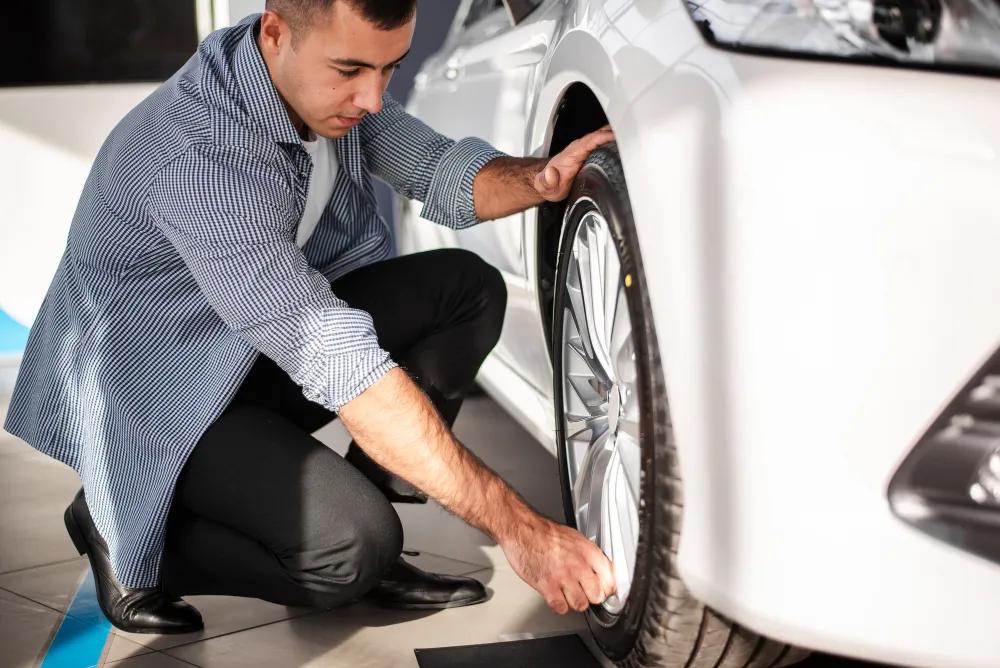
New wheels can change how a car looks, feels, and performs. The right set can refresh an older vehicle, support safer driving, and give a driver more confidence on the road. The wrong set, however, can create fitment issues, extra maintenance, or a look that feels out of place after the initial excitement fades. If you’re looking to get new wheels for your car, check out our guide below.
Start With Fit Before Style
Wheel fitment matters because wheels must work with the vehicle’s suspension, tires, brakes, and body clearance. Size, bolt pattern, offset, and load rating all affect whether a wheel suits a specific car, truck, or SUV.
A larger wheel may create a sportier look, but it can also require lower-profile tires. That change may affect ride comfort, road noise, and protection from pothole damage. A smaller or lighter wheel may improve comfort and handling in some cases, but only when it matches the vehicle’s requirements.
Drivers should confirm compatibility before they compare finishes or designs. A wheel that looks perfect in a photo still needs to perform safely in real conditions.
Match The Wheel to Your Daily Driving
If you use your car for commuting, you have different priorities than someone who takes their car to shows and on weekend cruises. Drivers who travel on rough roads may value durability and easier cleaning. Families may prefer wheels that handle weather, road grime, and routine use without demanding constant attention. Enthusiasts may focus more on weight, stance, and visual impact.
Climate also matters. Rain, snow, road salt, dust, and heat can all affect how wheels age. A stylish finish can lose its appeal quickly when it clashes with the driver’s environment or maintenance routine.
Choose a Finish That Fits Your Lifestyle
Wheel finish plays a major role in both appearance and upkeep. There’s a difference between chrome and polished wheels, painted, machined, and matte wheels. They also require different levels of care.
When shopping for new wheels, drivers shouldn’t just pick for the flashiest option—they should picture how the finish will look after months of ordinary use, not just under showroom lighting.
Consider Long-Term Care and Cost
The purchase price does not tell the whole story. New wheels may require new tires, sensors, mounting, balancing, alignment checks, or special cleaning products. Some finishes also show brake dust, water spots, scratches, or chips more clearly than others.
A good wheel choice should feel manageable after the purchase. Drivers who enjoy washing and detailing may appreciate a high-shine finish. Those who want a simpler routine may prefer a design and surface that hides minor dirt between cleanings.
Make The Upgrade Feel Personal and Practical
Now that you’ve read our guide to get new wheels for your car, you’re ready to start shopping! A clean, well-matched set can make everyday driving feel more intentional. Still, the best upgrade balances personality with practicality.
Before making a final decision, drivers should compare fitment details, finish options, tire needs, care expectations, and total cost. A wheel should suit the vehicle’s design, support the way you use it, and remain satisfying long after installation day.