

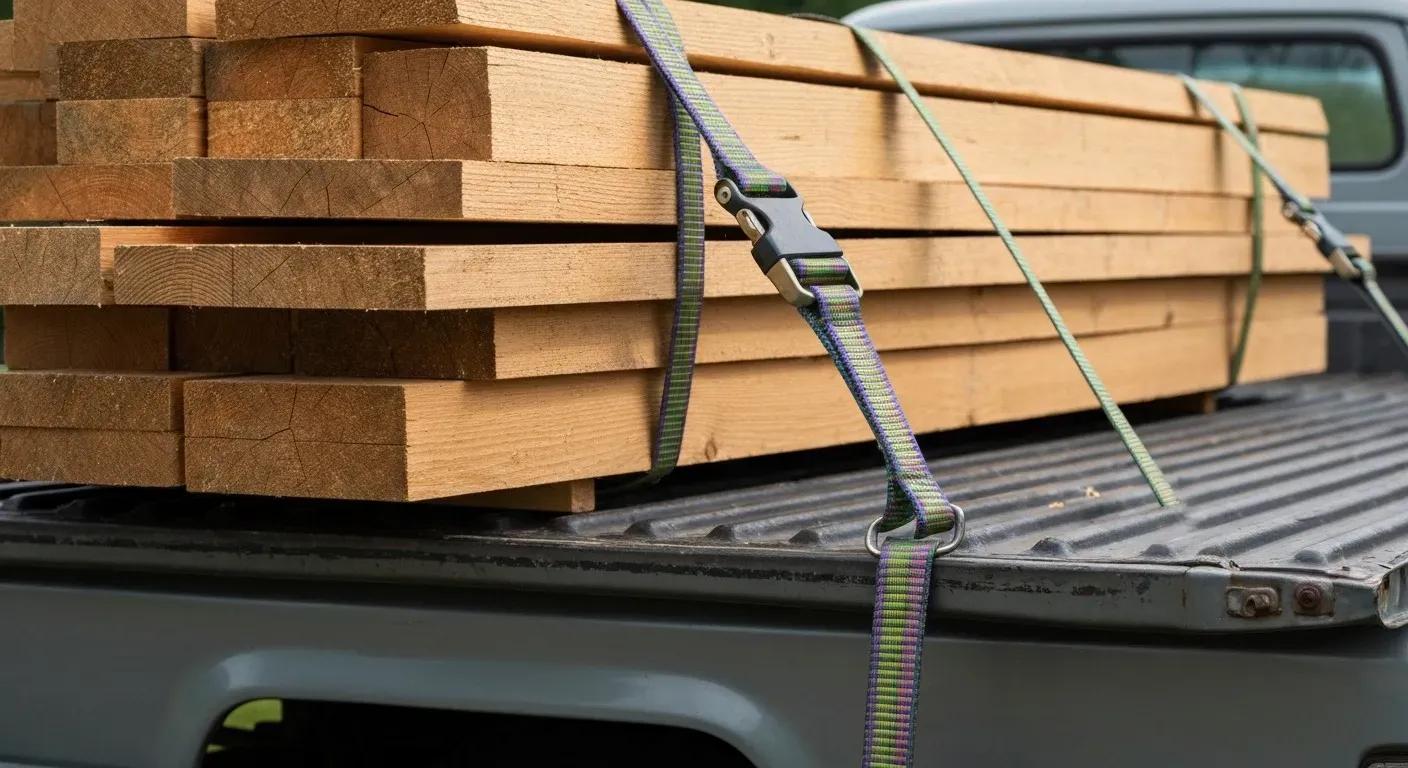
Key Highlights
A quality cam buckle strap offers a simple and effective way to secure everyday items.
Unlike complex tie downs, they provide a secure hold with a simple pull mechanism.
Look for high-quality materials to ensure long-term durability and resistance to wear.
The versatility of a good strap means you can use it for everything from camping gear to surfboards.
Always check the working load limit to ensure the strap is appropriate for your cargo.
Ease of use is a key feature, allowing for quick tensioning and release.
Introduction
Welcome to your guide for choosing the best cam buckle straps. Whether you're securing gear for a trip or moving items locally, the right tie-downs matter. Cam buckle straps are strong, simple, and easy to use—offering quick, reliable security for safer, more efficient hauling.
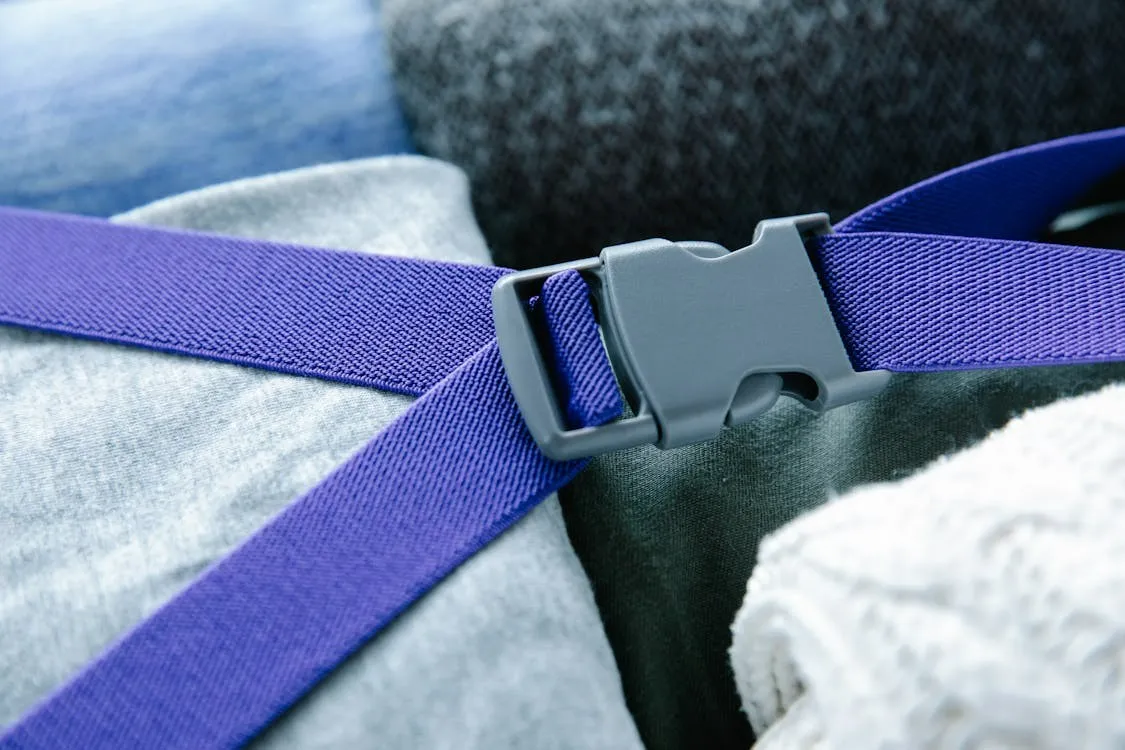
Understanding Cam Buckle Straps for Everyday Hauling
A cam buckle strap is a simple, easy-to-use tie-down. Instead of a complex ratcheting system, it uses a spring-loaded buckle with teeth: just feed the webbing through, pull it tight, and the teeth hold it in place. This pull-to-tighten design makes cam buckles quick and convenient for everyday use.
Unlike ratchet straps—which are better for very heavy loads but can be slow and risk over-tightening—cam buckle straps offer fast setup and firm tension without damaging delicate items like kayaks or surfboards. They provide secure hold and just the right amount of pressure, hassle-free.
Essential Features of the Best Cam Buckle Straps
When shopping for the best cam buckle straps for tents, focus on key features that ensure reliability. Choose straps with strong, precision-machined buckles and durable webbing that won’t fray. Opt for designs that allow easy, one-handed use—ideal for solo loading.
Check the working load limit and always pick straps rated above the weight you need to secure. Examine the entire strap’s construction, including end fittings and stitching, as these details affect overall strength and safety. We’ll cover materials and safety considerations in the next sections.
Choosing the Right Material for Durability and Safety
The material of your cam buckle strap directly affects its durability and safety. For frequent use, choose materials that withstand the elements and cargo stress. High-quality polyester webbing resists stretching, water, and UV damage.
Hardware matters too—buckles should resist corrosion, especially in wet or humid conditions. Billet aluminum offers strength, rust protection, and a sleek look, ensuring your straps last for years.
High-Quality Webbing Options and Their Advantages
The webbing is the core of your tie-down strap, and quality matters. Polyester webbing is ideal—it has minimal stretch to keep loads secure, even on rough roads. It's also highly resistant to abrasion and UV rays, so it won’t weaken in sunlight. Reinforced nylon webbing stays flat, resists twisting, and is easy to handle and store.
Choose straps in various lengths for different tasks, from small toolboxes to paddle boards.
Key benefits to look for:
Twist-Resistant: Stays flat and manageable.
High Strength-to-Weight Ratio: Securely holds mid-weight loads without bulk.
Weather Resistant: Handles sun, rain, and temperature changes.
Corrosion-Resistant Components and Hardware
Your strap is only as strong as its weakest hardware. Moisture can corrode metal parts, causing failure when you need reliability most. For outdoor use, always choose straps with corrosion-resistant components.
Opt for buckles made from precision-machined billet aluminum—they’re exceptionally strong and naturally resist rust. Some hardware also features protective coatings like zinc for added durability.
Key features to look for:
Billet Aluminum Buckles: Premium strength and corrosion resistance.
Smooth Cam Mechanism: Allows easy tightening and release without snagging.
Reinforced Stitching: Ensures connection points hold under pressure.
Safety Tips and Best Practices When Using Cam Buckle Straps
Safety should always come first when hauling cargo. Cam buckle straps are easy to use, but following best practices ensures a secure hold. Before each use, inspect straps for wear, such as fraying or cuts.
Never exceed the manufacturer’s working load limit—overloading can cause strap failure. Proper use and regular checks are essential for safe hauling. The next sections cover detailed techniques and common mistakes to avoid.
Proper Securing Techniques for Different Types of Loads
Cam buckle straps are versatile, but your technique may vary with the load. For bulky, lightweight items like camping gear or jerry cans, crisscross two straps over the top for stability. They’re easy to tighten and hold securely.
For long items like surfboards or kayaks, use at least two straps spaced apart to prevent shifting. Keep the buckle accessible for quick checks and adjustments. Compact straps are handy for securing small items like toolboxes in your truck bed.
General tips:
Protect straps from sharp edges with corner protectors or cloth.
Remove all slack before tightening.
After a short drive, stop and recheck your load.
Mistakes to Avoid When Hauling with Cam Buckle Straps
Avoiding common mistakes can prevent serious issues on the road. The most frequent error is exceeding the working load limit—cam buckles are for mid-weight loads only; heavy loads require a ratchet strap. Always use the right strap.
Another mistake is improper tightness. A loose strap is dangerous, but overtightening can damage your gear. Straps should be taut with no slack. Never tie knots in the webbing, as this weakens it and risks failure.
Avoid these errors:
Using Damaged Straps: Don’t use straps with fraying, cuts, or faulty buckles.
Improper Anchoring: Make sure anchor points can handle the load.
Twisted Webbing: Twists prevent even tension and increase the risk of failure.
Maintaining and Storing Your Cam Buckle Straps for Longevity
Investing in high-quality cam buckle straps is just the first step; proper care ensures they last. Simple cleaning, correct storage, and regular inspections greatly improve performance and safety, extending strap life.
A basic maintenance routine keeps your tie-downs ready for any adventure. For care questions, reliable customer service can help. Here are some specific tips to keep your straps in top condition.
Cleaning, Inspection, and Storage Recommendations
Proper cleaning is crucial, especially after use in muddy or sandy conditions. Dirt can wear down webbing and jam buckles. Rinse straps with fresh water and mild soap, then air dry completely. Avoid harsh chemicals and pressure washers.
Inspect straps before each use. Check for cuts, frays, sun damage, and ensure the buckle works properly. Replace any strap with significant damage.
Store straps in a cool, dry place out of sunlight. Coil loosely and secure to prevent tangling.
Clean: Rinse with water and mild soap after heavy use.
Inspect: Check for damage before every trip.
Store: Keep dry, out of the sun, and neatly coiled.
Conclusion
In conclusion, choosing the right cam buckle straps is crucial for safe and efficient hauling. Look for durable features like quality webbing and corrosion-resistant hardware. Proper use and maintenance extend their lifespan. With reliable straps, you’ll enjoy smoother hauls and secure loads. For more guidance, feel free to reach out!
Frequently Asked Questions
How do I know which cam buckle strap is best for my hauling needs?
To choose the right cam buckle, match the strap’s working load limit to your cargo’s weight. Look for durable polyester webbing and corrosion-resistant buckles. The correct length and strength ensure your strap fits various tasks.
What is the recommended weight capacity for regular use?
Always use the working load limit (WLL), not break strength. For mid-weight items, a WLL of about 190 lbs (87 kg) is ideal—strong enough for everyday and delicate loads without being excessive like heavy-duty straps.
How can I make my cam buckle straps last longer?
To extend strap life, clean them regularly to remove abrasive dirt. Inspect for damage before each use. Store straps dry, out of sunlight, and coiled neatly to prevent tangles and wear.