

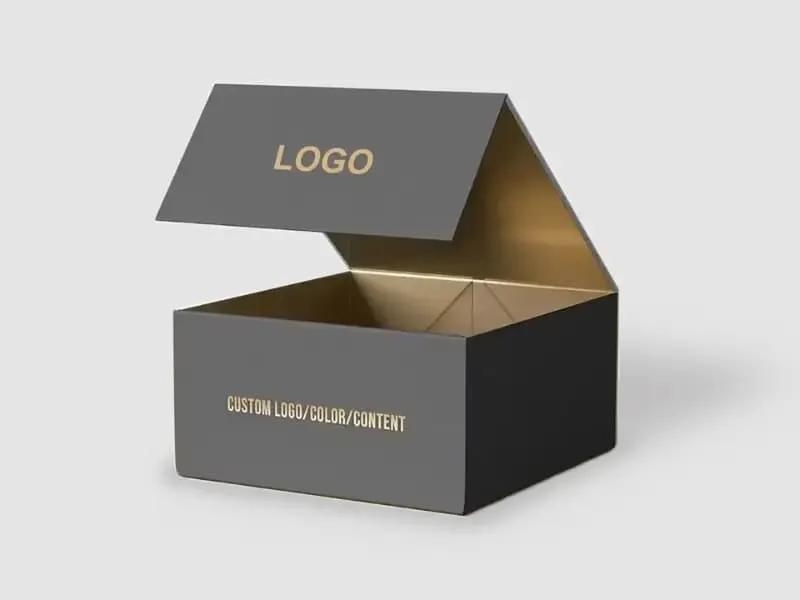
Custom gift boxes are used to protect and present fashion accessories, beauty products, and lifestyle gifts in a more polished way. For items such as jewellery, fragrance, skincare sets, candles, and small leather goods, the box must do more than look attractive. It should prevent movement, reduce surface damage, and make the product ready for gifting.
The right box structure depends on product size, fragility, weight, number of components, and sales channel. Rigid boxes, folding cartons, and mailer boxes each serve different packaging needs. When planned correctly, custom gift boxes support product protection, retail display, brand consistency, and a better unboxing experience without requiring extra wrapping materials.
Why Custom Gift Boxes Matter for Premium Consumer Products
Fashion accessories, beauty products, and lifestyle gifts are often judged before they are used. Buyers notice the box’s proportions, opening mechanism, print quality, and internal organization immediately. These details can affect whether the product feels suitable for gifting, personal use, or premium retail display.
Packaging also has operational value. A fitted insert can prevent a necklace from tangling. A divider can stop skincare jars from colliding. A reinforced base can protect a glass candle vessel during transit. Therefore, structural decisions should come before visual finishes.
The Packaging Machinery Manufacturers Institute noted in its 2023 consumer research that packaging features can influence purchase decisions, particularly where convenience, product protection, and sustainability are visible to consumers. This does not mean every product needs elaborate packaging. It means the package should solve a defined product and customer need.
Common reasons for investing in custom gift boxes include:
· Protecting polished, fragile, or easily scratched products
· Creating a consistent identity across multiple collections
· Making products ready for gifting without additional wrapping
· Improving shelf visibility in retail environments
· Organizing samples, accessories, and multi-item sets
· Providing room for care instructions, product details, and inserts
Selecting a Box Structure Based on the Product
The ideal packaging structure should be selected based on the product’s physical characteristics and intended sales channel. Key factors to consider include weight, dimensions, fragility, storage requirements, and whether the product is sold individually or as part of a bundled set.
Rigid Magnetic Boxes for Accessories and Premium Gift Sets
Rigid boxes are widely used for jewellery, watches, eyewear, fragrance, cosmetics, and limited-edition lifestyle products. Their board construction helps the package retain its form and provides stronger protection than lightweight folding cartons.
Magnetic closures are useful for products that benefit from a controlled opening experience. A customer can open the box without tearing a seal, and the box may remain useful for storage after purchase. This makes the format relevant for jewellery sets, beauty discovery kits, and premium seasonal gifts.
Brands assessing custom magnetic gift boxes should compare more than external appearance. Board thickness, magnetic alignment, wrapped paper quality, insert tolerance, and shipping requirements all influence the final result. A visually attractive box that allows products to shift inside is not an effective gift package.
For example, custom rigid boxes may use fitted paperboard inserts, foam trays, ribbon pulls, foil details, or embossed logos. However, the finish should follow the product’s positioning. A minimalist skincare range may require a clean matte wrap and subtle embossing, while a festive beauty collection may use printed patterns and limited foil accents.
Folding Cartons for Lightweight Beauty and Fashion Products
Folding cartons are suitable for lightweight cosmetics, scarves, accessories, candles, and promotional gift items. They are delivered flat before assembly, which can reduce storage requirements for brands with many SKUs or frequent collection changes.
This format also provides ample space for product information. Beauty brands may need ingredient lists, directions, safety warnings, or recycling instructions. Fashion brands may need care labels, size details, or material information. A well-designed folding carton can present this information clearly while maintaining a cohesive visual identity.
In addition, folding cartons can be paired with tissue paper, paper collars, or simple inserts when moderate protection is required. They are not always suitable for fragile glass products unless the outer shipping system provides additional support.
Mailer Boxes for E-Commerce Gift Orders
E-commerce brands often need packaging that works across fulfilment and gifting. Mailer boxes can be used as a shipping-ready format for lighter items or as a secondary protective layer around a premium inner box.
This approach is common for lifestyle bundles, subscription packages, influencer mailers, and seasonal campaigns. Internal tissue, die-cut paper inserts, or recycled paper padding can reduce product movement while preserving a neat presentation.
However, brands should test mailer boxes under realistic delivery conditions. A box that performs well in a showroom may not withstand stacking, drops, moisture exposure, or long-distance transport.
The Importance of Inserts and Internal Protection
The interior of a gift box is often more important than the outer finish. Products should remain stable when the package is moved, tilted, or opened. If an item rattles or shifts, the presentation loses credibility and the risk of damage increases.
Product Category | Recommended Interior Option | Primary Function |
Jewellery | Velvet, foam, or paperboard insert | Prevent tangling and scratches |
Beauty sets | Die-cut divider or compartment tray | Separate jars, bottles, and tools |
Scarves and small apparel | Tissue wrap or folded paper insert | Preserve shape and reduce creasing |
Candles | Molded pulp or paperboard collar | Stabilize glass containers |
Lifestyle gift sets | Layered compartments | Organize multiple products |
Material selection should also account for disposal and recovery. The Forest Stewardship Council provides certification standards for responsibly sourced forest materials, while paper-based packaging may be easier to recycle where local collection systems accept it. Brands should avoid broad environmental claims unless they can explain the materials used and provide practical disposal guidance.
Finishes That Support Brand Recognition
Finishing methods should reinforce the product’s visual language rather than distract from it. Common options include matte lamination, gloss lamination, foil stamping, embossing, debossing, spot UV, and textured paper wraps.
For instance, soft-touch lamination can suit a contemporary cosmetics range, while textured paper may work for artisanal candles or handcrafted accessories. Foil stamping can add definition to a logo, but it should be used selectively. Excessive finishes may increase cost, complicate recycling, and make the design appear unfocused.
Packaging teams should also consider how colours reproduce across materials. Digital proofs help review artwork, but physical samples are necessary for checking paper texture, print density, folding accuracy, and finish quality.
Production Planning Prevents Packaging Errors
Custom packaging requires early coordination between brand teams, product designers, fulfilment staff, and suppliers. A small measurement error can affect insert fit, closure alignment, or carton performance.
Before production approval, brands should confirm:
1. Final product dimensions, including caps, straps, and protective wraps
2. Insert fit and product movement during handling
3. Logo placement, colour references, and readable text sizes
4. Assembly requirements for retail and fulfilment teams
5. Outer shipping carton specifications
6. Material documentation and relevant certification requirements
A supplier with integrated design, prototyping, printing, assembly, and quality control can make this process easier to manage. For example, MJC Packaging supports custom packaging development through digital proofing, CAD sample plotting, structural prototyping, printing, finishing, and final quality inspection. This workflow is relevant when brands need to validate both presentation and production feasibility before placing a larger order.
Final Recommendation
For fashion accessories, beauty products, and lifestyle gifts, custom gift boxes should first protect the product and then communicate the brand. Rigid magnetic boxes with fitted inserts are usually the strongest option for premium items, curated sets, and products intended to be retained after purchase. Folding cartons are more suitable for lightweight products and high-SKU collections, while mailer boxes are practical for e-commerce gift orders.