

There's a particular kind of vulnerability that comes with starting over — whether that's after time away from the workforce, a health setback, a relocation, or simply a decision to walk away from a job or routine that no longer fit. The practical questions that come with it are rarely glamorous: what does day-to-day income look like while things stabilise, and what does independence actually require in the meantime?
For a lot of people in that position, flexible work has become the answer long before a longer-term plan comes into focus. Rideshare and delivery driving sit near the top of that list precisely because they don't ask for much up front — no interview process built around gaps in a resume, no fixed schedule that has to be negotiated around appointments or recovery, and income that shows up the same day it's earned rather than at the end of a pay cycle.
The one obstacle that trips people up more than any other is the vehicle itself. Not everyone starting fresh has a reliable car sitting in the driveway, and for someone rebuilding financial footing, committing to a car loan or lease before knowing whether driving suits them long-term is a real risk, not a minor inconvenience.
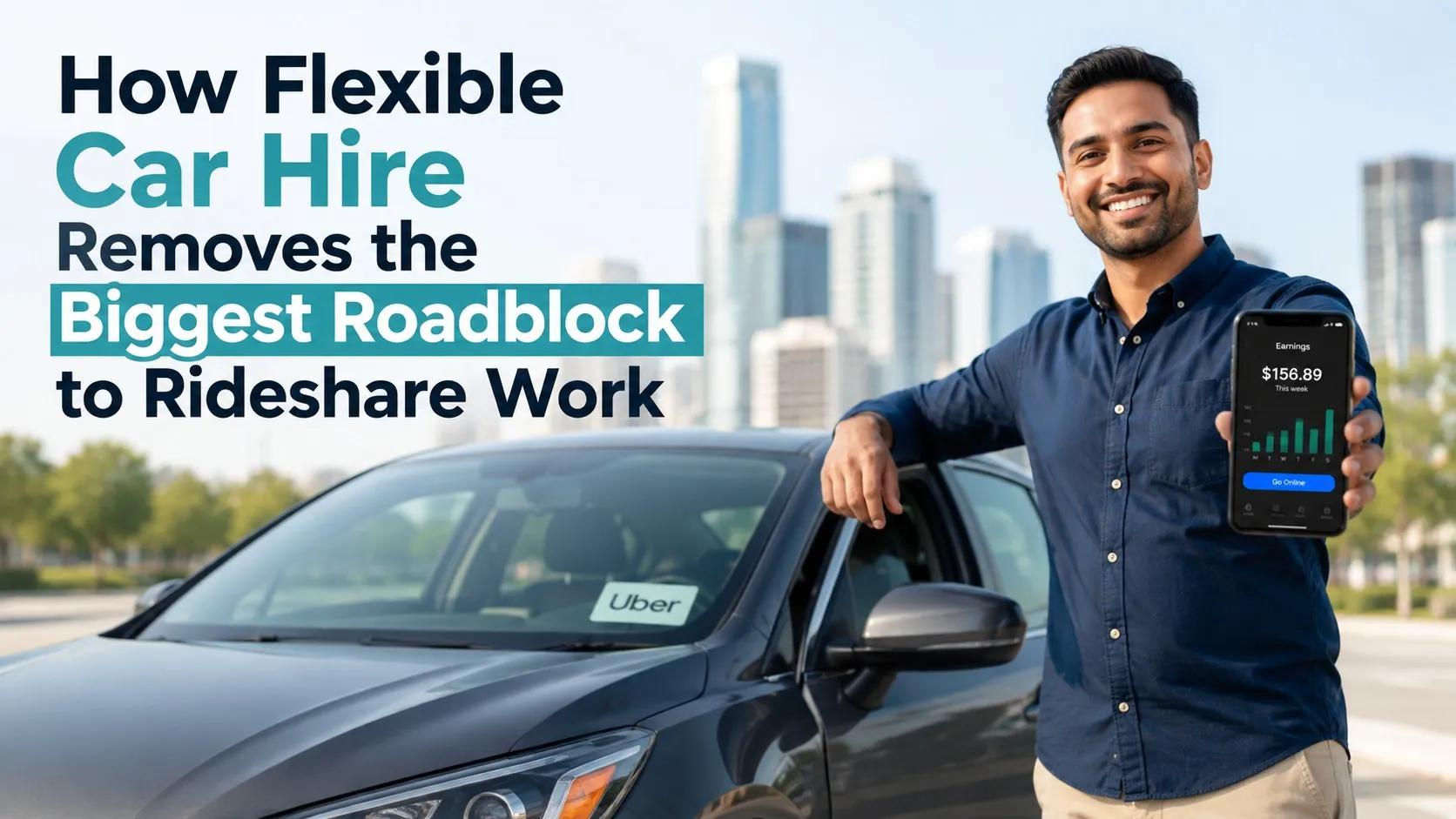
This is where flexible-access rental has quietly become the practical bridge for a lot of new drivers. Uber car hire in Melbourne through a fleet built specifically for rideshare work means a driver can start earning within days rather than months, without the upfront cost of a vehicle purchase or the long-term commitment of a lease signed before the income is proven out.
It also removes a layer of decision fatigue at a moment when there's already plenty to manage. A rental vehicle that already meets platform requirements, comes with the right insurance in place, and doesn't need a driver to become an amateur mechanic on the side, lets someone focus on the actual job of driving and earning rather than on vehicle admin.
None of this is really about cars, in the end. It's about how much friction stands between someone and their next steady paycheck, and how that friction compounds when someone is already stretched thin. Lowering the barrier to a reliable, platform-ready vehicle doesn't solve every part of starting over, but it removes one variable that used to be a genuine dealbreaker for a lot of people trying to get back on their feet.
The flexibility works in the other direction too — a driver who finds the work isn't the right fit isn't locked into ownership or a years-long lease, and someone who takes to it quickly has the option to keep renting, switch to a longer-term arrangement, or eventually buy, once the picture is clearer than it was at the outset.
For a city with a large share of rideshare drivers commuting from outer and middle suburbs, having that kind of rental option nearby, rather than needing to travel into the CBD for vehicle pickup and servicing, adds one more practical advantage to an already flexible arrangement.