


Polarized sunglasses have moved from a niche accessory used mostly by anglers and boaters into a mainstream category worn by drivers, cyclists, hikers, and anyone who spends time under bright skies. They cut glare, sharpen contrast, and reduce eye fatigue in ways that ordinary tinted lenses cannot match. Yet plenty of shoppers still buy them based on style alone, without a clear picture of what polarization actually does, when it helps, and when it can occasionally get in the way. This overview lays out the essentials in plain language: how the technology works, where it delivers the biggest wins, how to spot quality, and how to match a pair to real daily use. No fluff, just the facts you need before your next purchase.
What Polarization Actually Does
Sunlight travels in waves that vibrate in every direction. When those waves bounce off a flat surface such as a wet road, a car hood, snow, sand, or open water, they reorganize themselves and start vibrating mostly on a single horizontal plane. That concentrated horizontal light is what we perceive as glare. A polarized lens contains a microscopic filter, usually a stretched polymer film laminated between layers of lens material, that blocks horizontally oriented light while allowing vertical light through. The result is a view with dramatically less reflected brightness, richer color, and better depth perception. Standard dark lenses only dim everything uniformly, so glare still leaks through at full intensity relative to the rest of the scene.
The practical effect is easiest to notice on water. Without polarization, a lake surface looks like a bright silver sheet. With polarization, that sheet becomes transparent enough to see stones, fish, and shadows underneath. The same principle applies to a wet asphalt road at low sun, a snowy trail on a bluebird morning, or a car windshield in stop-and-go traffic. If you regularly deal with any of these environments, quality Polarized Sunglasses can change the experience more than any other lens upgrade in the same price range.
Everyday Situations Where They Shine
Driving is the most common daily use. Windshield reflections, sun bouncing off other cars, and glare from wet pavement all sit within the horizontal plane that polarization filters out. Long highway sessions become less tiring because your eyes stop constantly readjusting to bright flashes. On coastal trips or lakeside vacations, the effect is even more pronounced. Water glare that used to force you to squint disappears, and colors of sand, sky, and foliage look noticeably deeper. For beach reading, boating, kayaking, or paddleboarding, polarization is close to essential.
Outdoor sports benefit as well. Runners and cyclists moving through mixed sun and shade get steadier vision because sudden glare spikes are tamed. Trail hikers see terrain contours more clearly, especially on rocky or wet ground where reflected light usually flattens the view. Anglers famously rely on polarized lenses to spot fish under the surface, but even casual walkers along a riverbank get a richer visual experience. Golfers see fairway textures better, though some prefer non-polarized lenses for reading fast greens, since polarization can slightly mask certain moisture cues on grass.
When Polarization Is Not Ideal
Polarized lenses are excellent tools, but they are not the right choice for every situation. Pilots and small aircraft operators are usually advised to avoid them because cockpit instrument panels and heads-up displays often use polarized layers that can appear dark or invisible through polarized eyewear. The same effect shows up with some smartphone screens, tablets, dashboard displays, and ATM screens, which may look striped, blackened, or oddly colored when viewed at certain angles. Rotating your head or the device fixes it, but it can be a small annoyance.
Downhill skiers and snowboarders are split on the topic. Some love the glare reduction on bright groomers, while others prefer non-polarized goggles because they want to see icy patches, which reveal themselves through subtle glare cues. Race car and motorsport drivers sometimes opt for non-polarized lenses to keep instrument readability perfect. For most everyday shoppers, though, none of these edge cases apply, and the daily benefits far outweigh the occasional inconvenience of tilting a phone.
How to Judge Lens Quality
Polarization efficiency is the first number to consider. The best lenses filter out 99 percent or more of horizontal glare. Lower-quality lenses may only manage 70 or 80 percent, which still helps but leaves a noticeable amount of harsh reflection. Optical clarity is the next factor. Cheap polarized lenses are sometimes made by sandwiching a film between two loosely aligned layers, which can cause a subtle wave or distortion, especially at the edges. Premium lenses use tightly bonded construction and precision molding to keep the view crisp from center to periphery.
UV protection is separate from polarization but equally important. A dark tint alone does not block ultraviolet radiation. Look for lenses labeled UV400 or 100 percent UVA and UVB protection. Cheap dark lenses without UV coating can actually be worse for your eyes than no sunglasses at all, because the darker view causes pupils to dilate and let in more harmful radiation. Reputable brands treat UV blocking as standard on every polarized model. Lens material also matters. Polycarbonate and Trivex are impact resistant and lightweight, making them well suited for driving and sports. CR-39 and high-index lenses offer excellent optical clarity for casual daily wear. Glass lenses give the sharpest view of all but weigh more and are more fragile.
Frames, Fit, and Style
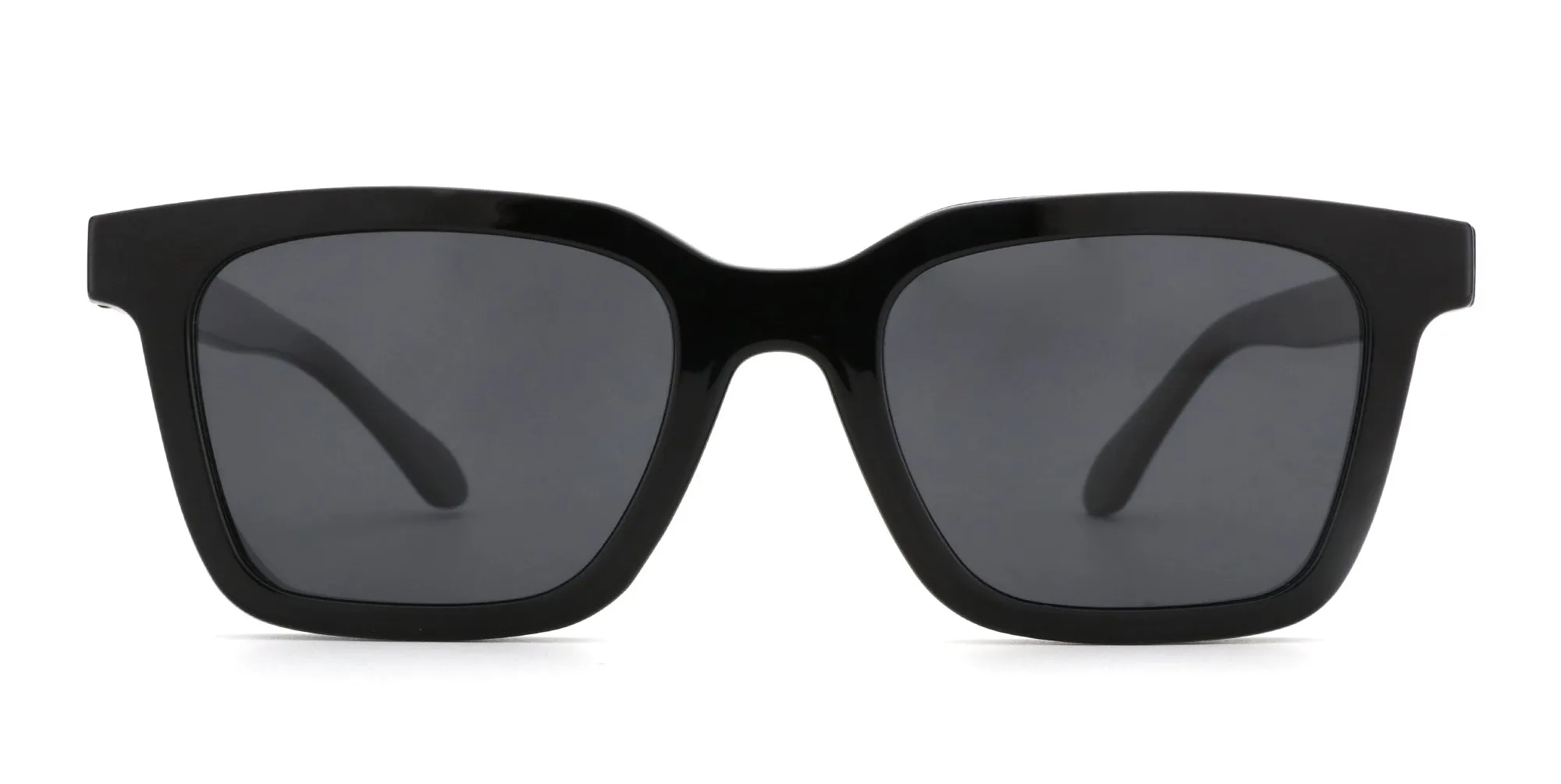
Even the best lens performs poorly in a badly fitting frame. Sunglasses that slip down the nose or press too tightly on the temples become distractions rather than tools. A proper fit means the lenses sit centered over your pupils, the temples grip lightly without pinching, and the bridge holds steady without leaving marks. Wraparound and semi-wrapped frames block peripheral light effectively, which pairs well with polarization for driving and outdoor sports. Classic acetate frames in aviator, wayfarer, or round shapes offer timeless styling for city and casual use and can still be paired with high-quality polarized lenses.
Weight is worth paying attention to. Sunglasses that feel heavy in the shop often feel unbearable after a few hours on your face. Lightweight injected nylon, TR90, and modern acetate frames balance durability with comfort. Adjustable nose pads let you fine-tune the fit, especially useful for narrower or higher bridges. Rubber temple tips add stability during activity. Any decent modern eyewear line, including options from ZENOTTIC and similar brands, offers a good spread of shapes so most face sizes and skin tones can find a flattering silhouette.
Lens Colors and Coatings
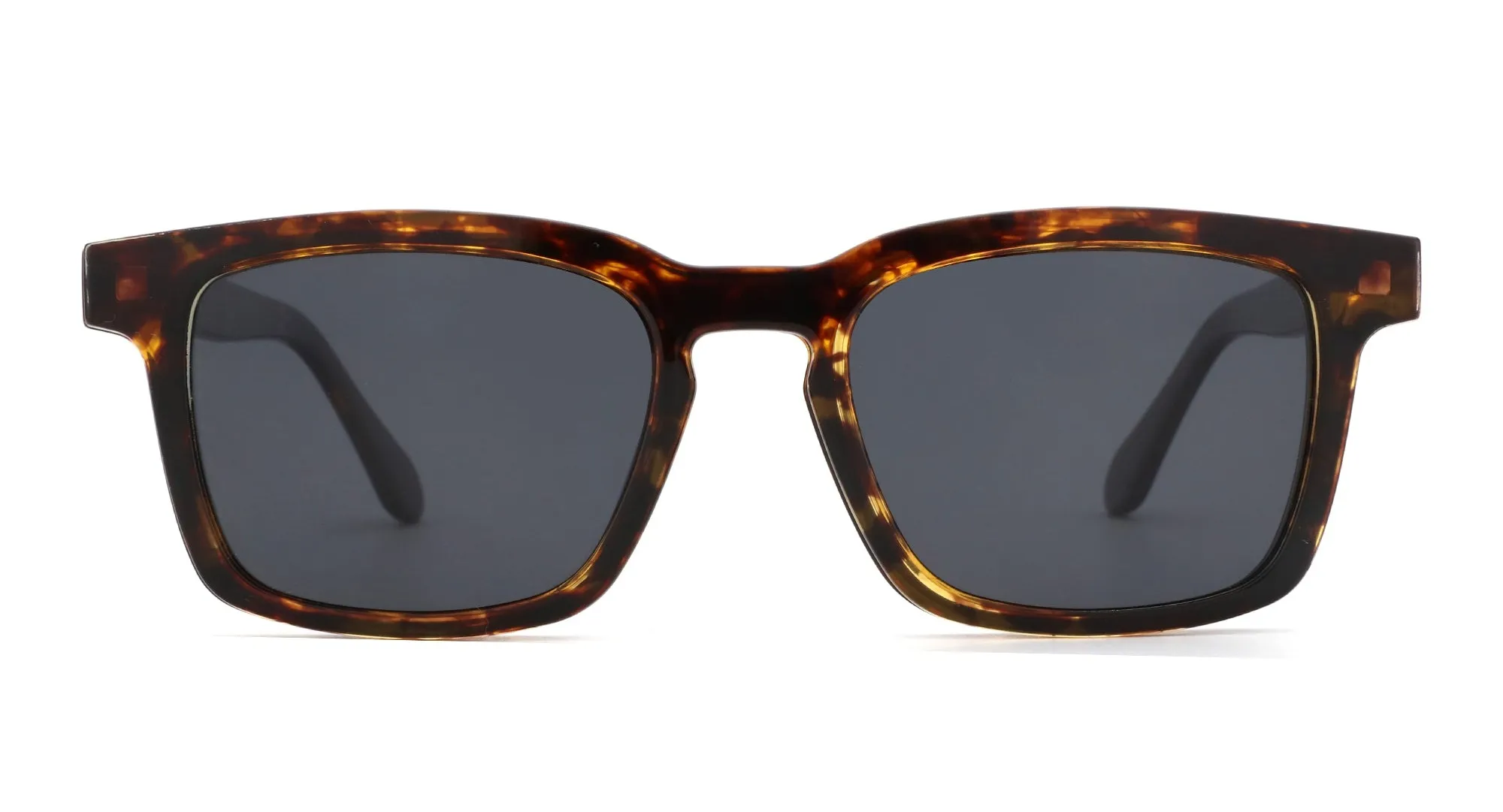
Lens tint affects how the world looks through your sunglasses and can be paired with polarization for specialized uses. Gray tints keep colors natural and are the safest all-around choice for driving and everyday wear. Brown and amber lenses boost contrast and depth perception, which makes them popular for hiking, golf, and variable light conditions. Green lenses balance contrast and true color rendering. Mirrored and gradient coatings can be added on top of any base tint for style and additional glare reduction. Anti-reflective coatings on the inner surface of the lens stop stray light from bouncing back into your eyes, a small but noticeable upgrade during backlit conditions.
Quick Check Before You Buy
A simple way to verify a lens is truly polarized is to look at a reflective surface such as a phone screen or a puddle, then rotate the sunglasses 90 degrees. If the reflection darkens dramatically or blacks out at one angle, the polarization is real. If nothing changes, the label is misleading. Reputable retailers stand behind their claims and provide clear technical information, so this test is more useful for street market bargains than for established brands. Warranty terms, easy replacement of nose pads and screws, and a solid case for storage are small details that separate a keeper from a throwaway.
Care and Longevity
A pair of quality sunglasses can last many years with basic care. Rinse them under lukewarm water to remove grit before wiping, then dry with a microfiber cloth. Avoid paper towels and shirt tails, which contain fibers that scratch coatings. Keep them in a hard case when not on your face rather than tossed loose in a bag or on a dashboard. Heat is the main enemy of lens coatings and frame integrity, so avoid leaving them in a hot car for extended periods. If frame screws loosen, most opticians will tighten them for free. With that level of care, a good polarized pair pays for itself many times over in comfort, safety, and visual clarity.
The Case for Making the Switch
Polarized sunglasses are one of those upgrades that seem small on paper and feel significant the moment you put them on. Reduced glare, crisper contrast, more relaxed eyes, and better safety on the road add up to a genuine quality-of-life improvement, especially for anyone who spends real time outdoors or behind the wheel. The category has matured to the point where quality construction, reliable UV protection, and stylish frame options are all available across a wide range of shapes and preferences. Brands like ZENOTTIC show that thoughtful design and everyday performance can live comfortably in the same pair. If you have been squinting through ordinary tinted lenses for years, a proper polarized pair is a straightforward upgrade worth making.