

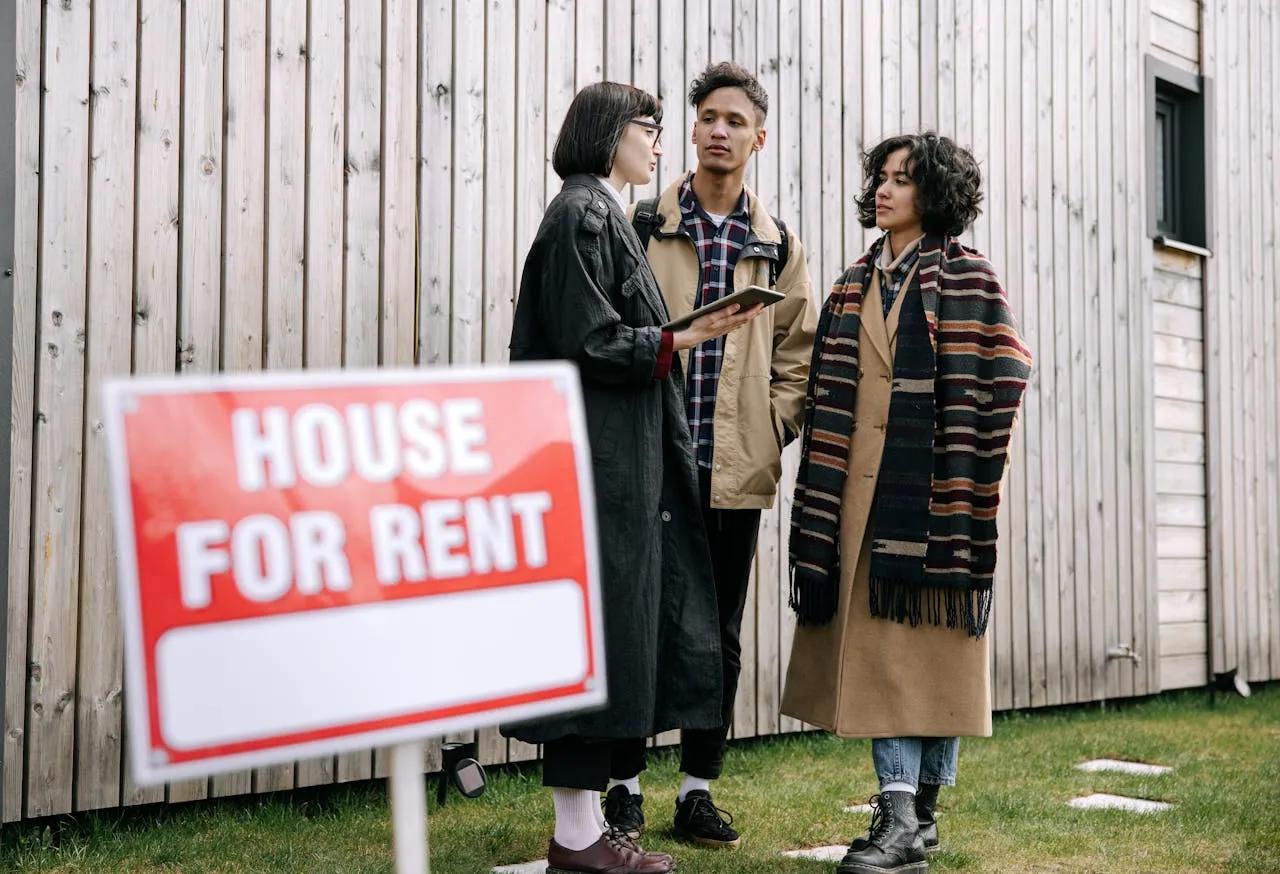
Photo by Ivan S
Deciding whether to rent or buy a home is one of the most important financial choices you will face. It affects not only your monthly expenses but also your long-term stability, flexibility, and overall lifestyle. While both options offer benefits, the smartest decision depends on your personal situation, not just market trends.
Understanding the key differences will help you make a decision that works for you now and in the future.
Renting: Flexibility and Simplicity
Renting offers freedom that homeownership cannot easily match. It allows you to move without the stress of selling a property, which is especially useful if your career or lifestyle is still evolving.
Many people choose renting because it:
Requires less upfront money
Offers predictable monthly costs
Eliminates maintenance responsibilities
If something breaks, it is typically the landlord’s responsibility. This reduces both financial and mental stress.
However, renting does not build long-term value. Your payments do not contribute toward ownership, which is the main trade-off.
Buying: Stability and Long-Term Investment
Buying a home is often viewed as a step toward financial growth. Instead of paying rent, you are building equity over time.
Homeownership gives you:
Full control over your space
Stability without lease renewals
Potential for property value growth
At the same time, it comes with added responsibilities. Maintenance, repairs, and property taxes are all part of ownership. It also requires a larger upfront investment, which can be a barrier for some buyers.
Buying works best for those who are financially prepared and plan to stay in one place for several years.
Your Financial Situation Comes First
The decision to rent or buy should start with your financial reality, not external pressure.
Before buying, you should be confident that you can:
Afford a down payment
Handle monthly payments comfortably
Manage unexpected expenses
If your finances are still developing, renting can provide time to build savings and stability. If you
are financially secure, buying may offer stronger long-term benefits.
Location Can Influence Your Choice
Where you live plays a major role in whether renting or buying makes more sense. Housing prices, job opportunities, and lifestyle preferences can vary significantly from one place to another.
Some people are drawn to large cities like Calgary, Toronto, or Vancouver for their career opportunities and convenience, while others prefer quieter communities that offer more space and a slower pace of life. As buyers and renters explore options beyond major urban centers, nearby areas often become more appealing for their balance of affordability and accessibility.
In this context, many people begin by exploring homes for rent in Airdrie, especially if they want to stay close to Calgary while enjoying a more relaxed and cost-effective environment. Renting in such areas provides a practical way to experience the community before making a long-term commitment.
Location is not just about cost. It shapes your daily routine, lifestyle, and overall satisfaction over time.
Lifestyle Matters More Than You Think
Your lifestyle should play a central role in your decision. Financial factors are important, but how you want to live is equally critical.
Renting may suit you if you:
Prefer flexibility
Do not want maintenance responsibilities
Expect changes in your living situation
Buying may be better if you:
Want long-term stability
Plan to stay in one place
Value ownership and personalization
Choosing based on lifestyle ensures that your home supports your day-to-day life.
Hidden Costs to Consider
Both renting and buying come with costs that are easy to overlook.
With renting, you may face:
Annual rent increases
Limited control over your space
When buying, you need to plan for:
Repairs and maintenance
Property taxes and insurance
Unexpected expenses
Understanding these costs helps you make a more realistic decision.
A Smart Approach: Renting First
For many people, renting first is a strategic move. It allows you to test a location, build savings, and better understand your needs.
This approach reduces risk and makes the transition to buying more informed and confident.
There is no universal answer to whether renting or buying is better. The smartest decision depends on your financial situation, your lifestyle, and your long-term plans.
If you value flexibility and simplicity, renting may be the right choice. If you are ready for commitment and want to build equity, buying can offer lasting benefits.
The key is to choose what works for you, not what others expect.
Common Questions About Renting or Buying
Is renting cheaper than buying?
Usually in the short term, but not always in the long run.
How do I know if I’m ready to buy?
Stable income, savings, and low debt are key signs.
Is renting a bad financial decision?
No, it offers flexibility and lower risk.
How long should I stay if I buy?
At least 5 years is generally recommended.
Can I rent now and buy later?
Yes, many people take this approach.
What matters more: price or location?
Location often has a bigger long-term impact.