

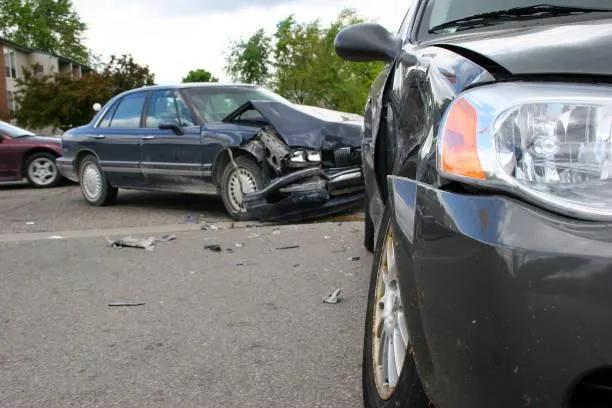
If someone else crashes your car, your first priorities are safety, reporting the accident, notifying your insurer, and preserving evidence. The situation can become more complicated because the driver, vehicle owner, insurance policy, and vehicle condition may all affect who ultimately pays for the damage or injuries.
If you are wondering, “What happens if someone else is driving my car and gets in an accident?,” the outcome depends on several facts. Permission, the driver’s conduct, your insurance policy, and the law where the crash occurred are important factors to consider.
1. Make Sure Everyone Is Safe
Call emergency services if anyone is injured. If it is safe to do so, move away from traffic and follow the responding officer’s instructions. Avoid arguing about fault or pressuring anyone to change their statement.
Get the police report or incident number, along with the responding agency and officer information. The report can preserve important facts, although insurers and courts may consider other evidence too.
2. Notify Your Insurance Company
Tell your auto insurer about the accident quickly, even though you were not driving. Provide the driver’s name, crash location and time, police information, and a factual account of what happened.
In many situations, the vehicle’s insurance is the primary coverage when someone had permission to drive it. The driver’s policy may provide additional coverage, depending on the policy and applicable state law.
Coverage can change if the driver:
Had no permission to use the vehicle
Was excluded from the policy
Used the car for an unauthorized purpose
Used it for commercial activity
Was uninsured or unlicensed
3. Establish What Permission Was Given
Write down exactly what permission you gave and any restrictions you communicated. Express permission could involve directly lending the car, while implied permission may arise from regularly allowing a household member to use it.
Save relevant texts, emails, or other communications. Permission can become disputed if the driver took a different trip, allowed another person to drive, or used the vehicle for a prohibited purpose.
4. Collect Evidence
Photograph or record the damage to every vehicle, roadway conditions, traffic controls, debris, skid marks, vehicle positions, and visible injuries. Collect witness details and preserve dashcam or surveillance footage when available.
Do not repair or dispose of the vehicle before documenting its condition. Keep medical records, repair estimates, towing bills, and rental-car records as well.
5. Check Whether the Car Contributed
A vehicle problem can create another layer of questions. Worn tires, defective brakes, broken lights, steering problems, or poor maintenance may have contributed to the collision.
Preserve maintenance records, inspection documents, repair invoices, and communications with repair shops. If a defective part or negligent repair contributed to the crash, another business may become relevant to the claim.
6. Do Not Admit Fault
Be truthful with insurers and investigators, but do not guess about the driver’s speed, condition, or actions. The driver’s liability and the owner’s liability are not automatically the same.
An owner could face separate questions involving negligent entrustment, maintenance, permission, or other state-specific rules.
7. Understand Negligent Entrustment
Negligent entrustment generally concerns giving a vehicle to someone the owner knew or should have known was unsafe to drive. Relevant circumstances might include an unlicensed, impaired, reckless, inexperienced, or medically incapable driver.
The evidence must connect the owner’s knowledge with the driver’s unfitness and resulting harm.
Final Takeaways
Prioritize safety and contact emergency services when necessary.
Notify your insurer promptly after the crash.
Document exactly what permission the driver received.
Preserve photographs, records, footage, and communications.
Investigate whether the vehicle contributed to the accident.
Do not guess or admit fault without knowing the facts.