

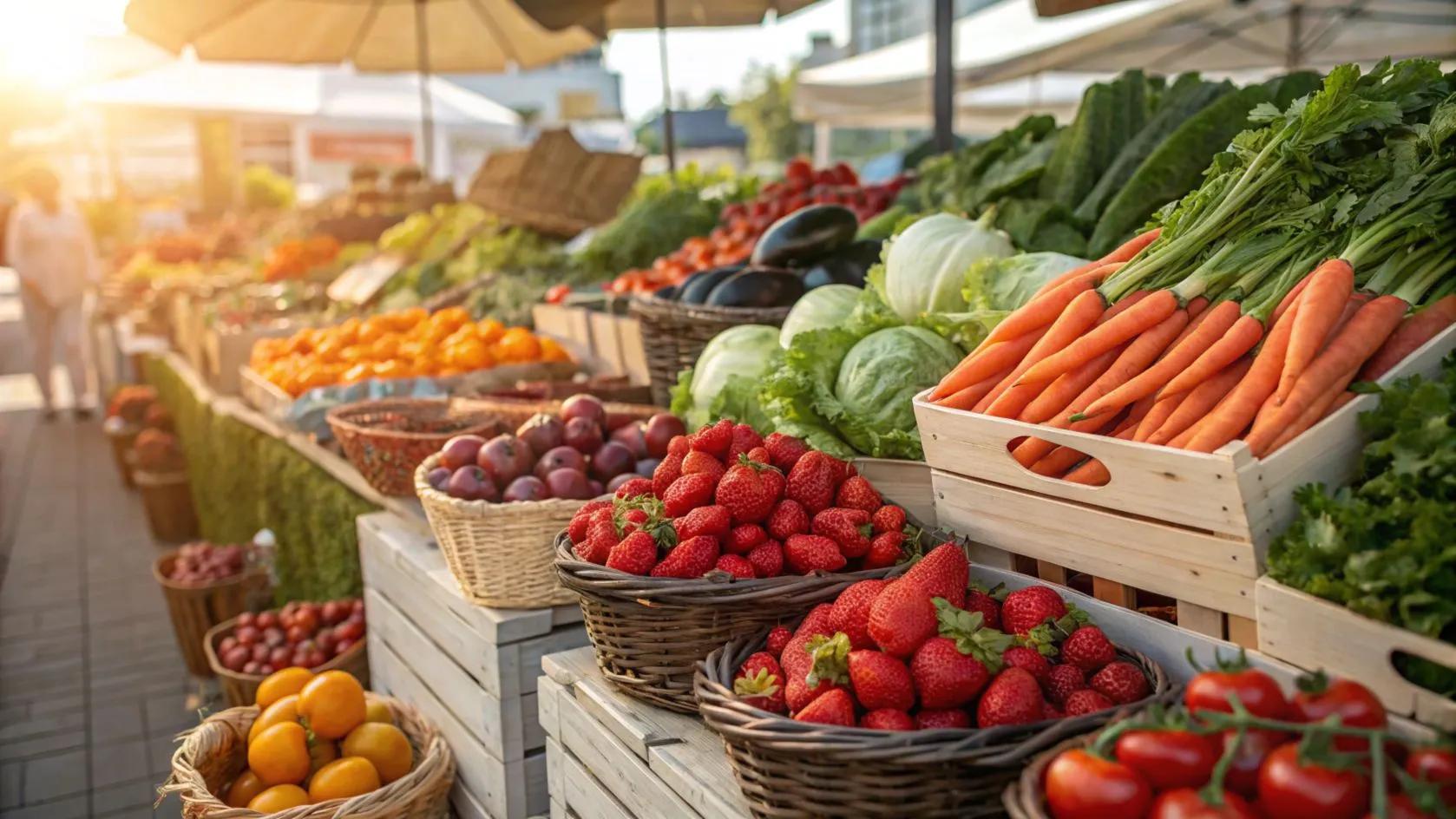
Weekend markets are usually framed as a place to buy food or browse stalls, but their impact doesn’t end as just a “location for shopping”. Often, a weekend market’s setup encourages movement, slower decision-making, and brief social interaction, all of which affect how you feel during and after the visit.
Compared to conventional retail environments, markets change how time and attention are spent. You walk more, stand less, and make choices based on what’s available rather than what’s promoted. Food looks different when it’s in season and handled by the people selling it, and conversations happen without planning or commitment.
This combination is why weekend markets support everyday well-being in practical ways.
The Wellness Value of Slowing Your Pace
Weekend markets slow you down in a way most places don’t. You aren’t stuck in a line or pushed to finish quickly, so you move when you’re ready and stop when something catches your attention. That alone changes how the visit feels, because your time isn’t being managed for you.
As you move through the market, your attention stays with what’s in front of you instead of bouncing between distractions. You notice what you’re buying, who you’re talking to, and where you are, without having to make a conscious effort to do so. The experience feels easier on the mind, even when the space is busy.
There’s also more movement than you might expect. Walking between stalls, standing while you browse, and carrying a few items keep your body active without turning the visit into a workout. It’s the kind of movement that fits into daily life and adds up over time, simply because it happens regularly.
Why Fresh Food Choices Feel Easier at Markets
A farmers' market changes how you think about food. Instead of scanning shelves filled with labels and claims, you’re looking at ingredients as they are. Farm-fresh produce tends to look and smell better because it hasn’t been stored or shipped for long periods, and that difference makes food feel more usable and appealing.
The people selling the food also shape those decisions. Vendors usually explain how items were grown, prepared, or meant to be used. Trying a seasonal vegetable or unfamiliar fruit feels less risky when someone tells you how it’s typically cooked or eaten. That information stays with you because it comes from a conversation.
Markets also offer artisanal food products made in smaller batches. These foods are often more filling and satisfying, even when portions are smaller. That makes it easier to eat with intention and stop when you’ve had enough.
Community Connection and Emotional Well-Being
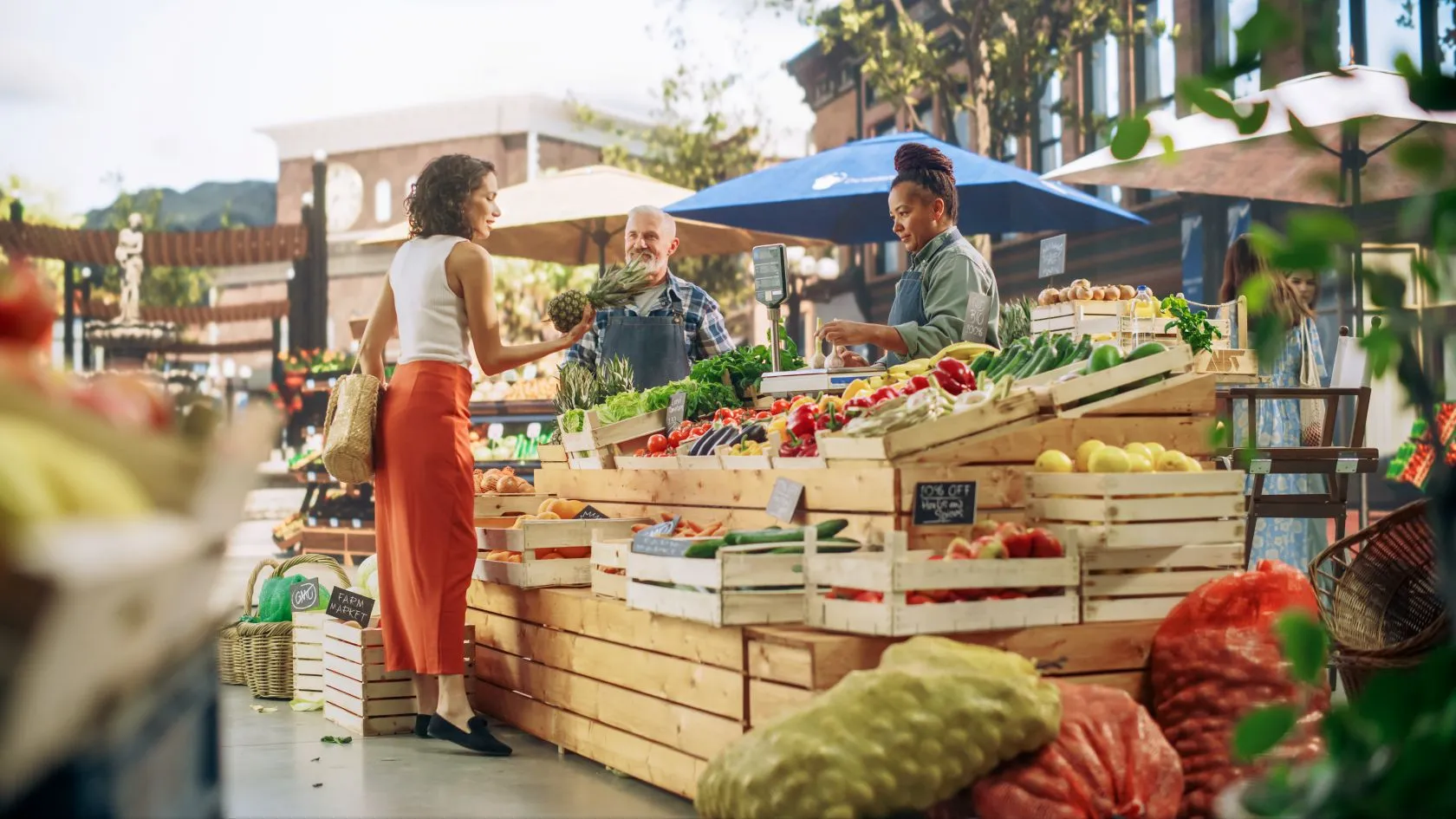
Farmers markets create social contact that feels low effort and optional, which makes it easier to engage. Conversations happen naturally around food, music, or what’s on display, and they tend to stay brief unless both people want more. That kind of interaction adds connection without pressure, which matters for emotional health.
Many markets also function as gathering spaces rather than standalone shopping stops. Community events, live music, and shared seating turn the area into a place where people linger instead of passing through. Watching families, performers, and regulars interact adds to the sense that the market belongs to the neighborhood, even if you’re visiting on your own.
Over time, repeated visits create familiarity. Recognizing vendors or seeing the same faces week after week adds a sense of continuity to your routine. That steady presence can be grounding, especially during periods when the rest of the week feels unpredictable.
Creative Expression Through Arts and Crafts
The creative side of public markets tends to stand out because it encourages slower attention. Arts and crafts displays invite you to look closely, notice detail, and spend time with an object before deciding whether it matters to you. That process feels different from scanning shelves, and it changes how you engage with what you’re seeing.
Many of these stalls feature handmade arts and crafts, including small goods created by individual makers. The materials, design choices, and imperfections make it clear that someone’s time went into the work. Knowing how something was made, or who made it, gives the item context beyond its function.
Even without purchasing anything, browsing creative stalls can shift your mindset. Seeing unique pieces and practical design ideas often sparks curiosity or reminds you of interests you don’t usually make time for. That mental shift adds variety to the visit and keeps the experience from feeling purely transactional.
Supporting Local Economies and Personal Values
Outdoor markets make spending feel more direct. Vendors usually sell their own work or harvest, so the exchange is clear and personal. You know where your money is going, and that clarity turns you into a mindful consumer.
Over time, that direct exchange shapes how you think about consumption. Buying from local makers and growers often means less packaging, shorter transport, and fewer intermediaries. Those details aren’t always the reason you shop this way, but they tend to align with practical concerns about waste, sourcing, and responsibility.
Markets also make room for variety by rotating vendors and hosting pop-up markets or neighborhood farmers' markets. New sellers appear alongside familiar ones, which keeps the experience from feeling repetitive. That mix gives small businesses visibility while giving you access to products you wouldn’t usually see in conventional retail spaces.
Takeaway
Weekend markets offer a different kind of shopping environment. You walk more, pause longer, and make choices based on what’s available in front of you. Food is handled by the people selling it. Conversations happen briefly and without expectation. Creative work sits alongside everyday purchases. These conditions affect how the visit feels and how you behave while you’re there. Wellness shows up through repeated exposure to that environment, and that’s what separates weekend markets from routine errands.