

Image source: pexels
Haven’t we all had that moment? You walk into a beautifully designed hotel lobby or a high-end boutique, and it instantly evokes a sense of refined calm. It captures your attention and leaves you longing for that same effortless style at home.
That feeling isn’t unfamiliar in Denver’s Cherry Creek North either. The neighborhood has become a standout in the city’s luxury housing scene. Starting at $700,000, Cherry Creek North’s luxury real estate reflects a culture of quiet sophistication and artisanal detail. A stroll past a Cherry Creek art gallery and upscale boutiques offers daily inspiration for elevated living.
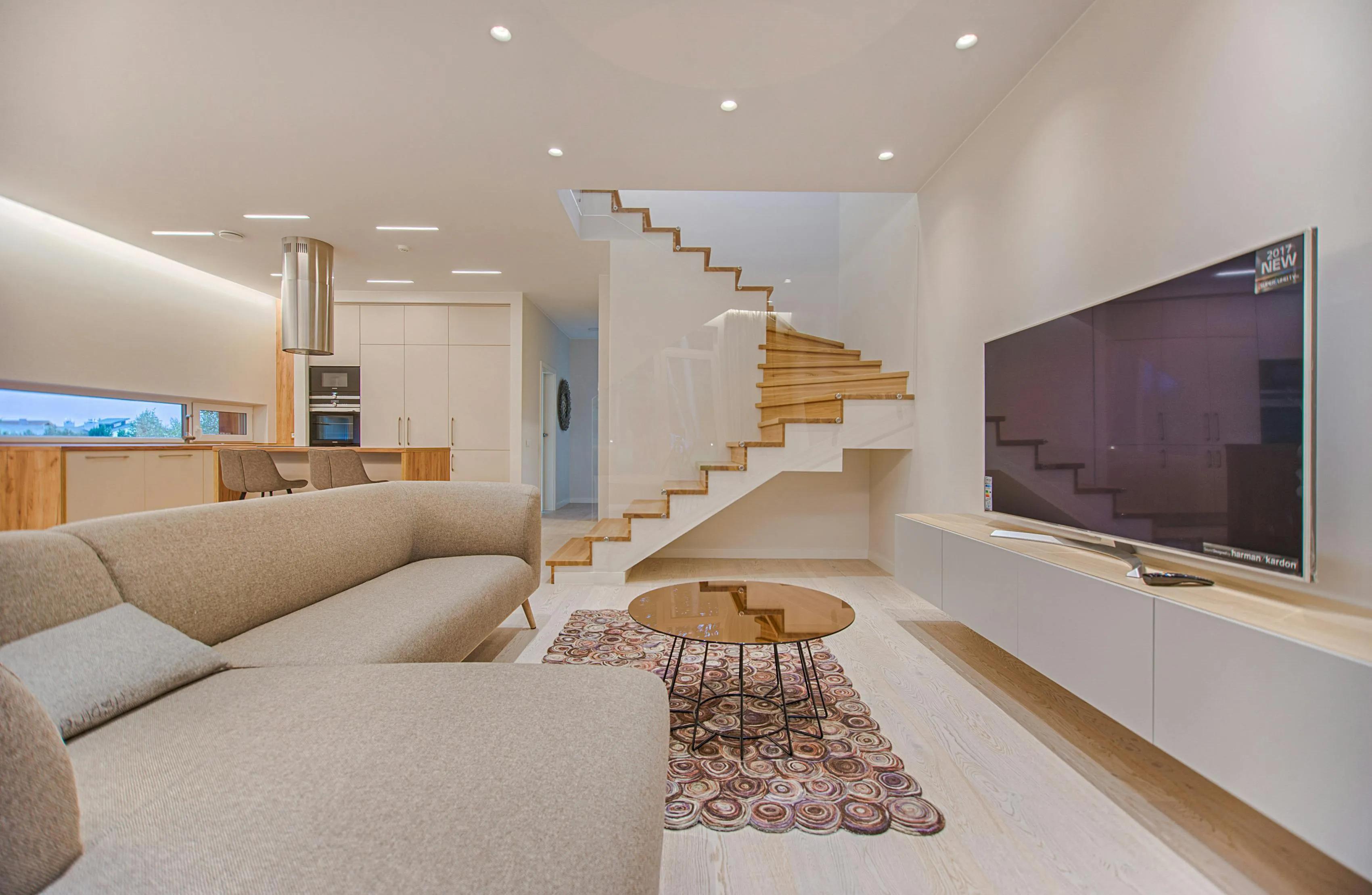
However, you don’t need a seven-figure budget or a full renovation to make your home look expensive. Luxury design is less about price tags and more about intentional choices. A few well-executed decorating principles can help you recreate that polished, high-end feeling in your own home. We’ll share a few of them below.
#1 Use Texture to Add Depth and Richness
Texture is the main tool used to make a room feel deep and rich. It keeps a space from looking flat or cold.
In professional design, texture means how surfaces look and feel when they interact with light and shadows. A room that doesn't have different textures often feels unfinished, no matter how much the furniture costs. That is because it lacks the layers found in nature and high-end artisanal spaces.
A core design secret involves the "lasagna" approach to layering. Here, you build your space using multiple, contrasting materials that work together to create sophistication.
This process begins with the flooring, which serves as the "fifth wall." To elevate this plane, layer a large, neutral rug made of organic fibers, such as jute, under a smaller, more decorative rug, like a silk oriental piece. This creates immediate visual interest and anchors the furniture in a way that suggests depth and dimension.
Continue layering through furniture upholstery and accessories. Mix opposites to maintain balance. That is, pair a sleek leather sofa with soft silk pillows and a chunky knit wool throw.
This interaction between soft, rough, smooth, and structured materials prevents your room from looking like a sterile showroom and instead gives it a lived-in yet refined quality.
#2 Incorporate Fine Art
Do you know what the defining feature of expensive-looking homes is? It’s fine art. It represents more than decoration; it is a commitment to culture, personality, and architectural scale. However, the secret to making art look expensive lies more in its scale and presentation than in its price tag.
ELEMENT Home notes that placing fine art thoughtfully creates a focal point that ties the entire room together. A single, large-scale piece of art often carries more visual "gravitas" than a cluttered collection of small frames.
To anchor a room, go large. Choose pieces that are at least 24x36 inches or larger. The artwork should ideally span two-thirds to three-quarters of the furniture's width to maintain proportional harmony.
And if you’re on a budget, you can source digital downloads of public domain art from museum archives. These high-resolution files (300 DPI or higher) can be printed on museum-grade cotton canvas or fine art paper. You will get gallery-quality results at a fraction of the cost of original works.
Gallery walls or salon-style groupings can also look expensive if you curate them with a consistent theme, such as matching frame finishes. Just avoid overcrowding. Leave 3 to 6 inches between pieces in a cluster so that each work can breathe while maintaining a collective relationship.
#3 Layer Your Lighting like Jewelry
Lighting is the most transformative element in interior design, yet it is often the most overlooked. A room lit only by a single overhead fixture, such as a standard flush mount, will always feel flat, cold, and cheap.
High-end homes rarely rely on a single overhead light source. Instead, they utilize a three-layer lighting strategy to create dimension, warmth, and drama. Those are ambient, task, and accent lighting.
Ambient lighting provides overall illumination. Task lighting helps you work or read. Accent lighting highlights specific features. This layering creates depth and flexibility.
The use of dimmers is perhaps the most cost-effective secret to an expensive home. Dimmable lighting allows for the adjustment of the room's mood based on the time of day or the specific activity. That way, the lighting always matches the desired atmosphere.
For a luxurious finish, focus on integrated lighting that blends into the room’s structure. Hidden LED strips in cabinetry and vanities offer a custom look that elevates the entire space. Adding toe-kick lights creates a soft “floating” effect for furniture and provides a sleek, low-profile solution for nighttime path lighting.
Luxury is About Intention, Not Price
At the end of the day, the most expensive-looking homes are those that feel personal and lived-in. A house full of expensive furniture that has no personality feels like a furniture showroom.
The real secret? Thoughtful choices and intention. When every piece has a purpose, a story, or a reason for being there, your home instantly feels more refined. Focus on comfort, balance, and details that reflect who you are. Over time, the little upgrades add up, and your home feels elevated, welcoming, and effortlessly stylish.