Are simple tasks like getting out of a chair, taking the stairs, or walking through the supermarket beginning to feel uncomfortable? This could be osteoarthritis. It’s a very common condition that can affect your daily life in ways that feel limiting and discouraging. Many people believe that surgery is their only option and that they must wait for a referral to see orthopaedic surgeons. The good news is that simple, effective lifestyle changes can be a practical starting point, significantly improving your pain management and helping you stay active. For some, these changes might even mean they can avoid the need for joint replacement.
Understanding Osteoarthritis in Everyday Terms
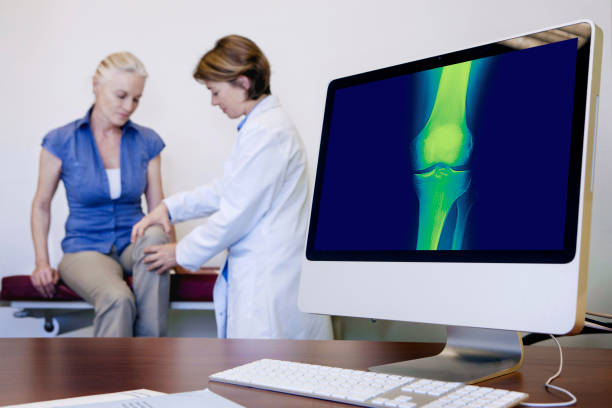
Think of cartilage as the smooth, slippery cushion that lines the ends of your bones inside a joint. Osteoarthritis occurs when the cushion wears down faster than the body can repair it.
As the cartilage thins and becomes rough, the joint space can narrow, leading to pain, stiffness, and sometimes a grinding or clicking feeling. An early sign might be morning stiffness that takes a while to work out, or a deep ache after you've been active.
A huge misconception is that osteoarthritis is just a regular part of getting old and that you simply have to accept it. This isn't true. While it's more common as we age, taking proactive steps early can protect your joints, manage symptoms, and help you stay mobile and independent for years.
Movement and Exercise
It might sound counterproductive, but moving a sore joint is often the best medicine. Motion helps stimulate the production of synovial fluid, which is your body’s natural joint lubricant. The key is choosing the right kind of movement. Low-impact activities like walking, swimming, cycling, or using an elliptical machine get blood flowing without the painful jarring.
The other secret weapon is strengthening the muscles surrounding your joint. Strong thigh muscles, for example, act like natural shock absorbers for your knee, taking pressure off the joint itself. While you should rest a very flared-up joint, staying generally active is far better for long-term health than staying on the sofa.
Choose activities you enjoy so you’re more likely to stick with them, and start with short sessions if you’re new to exercise. If you’re unsure where to start, consult a physiotherapist for a safe and personalised exercise plan tailored to your needs and mobility level.
Healthy Weight and Joint Load
Your joints have to support your body weight with every move you make, and that force gets multiplied with each step you take or stair you climb. This means that losing even a small amount of weight can significantly reduce the pressure on your painful hips and knees. Research shows that losing just 5% of your body weight can reduce your pain.
This isn’t about starting a strict, punishing diet. It’s about making small, lasting changes you can live with, like adding more vegetables to your meals, choosing water over sugary drinks, or being mindful of your portion sizes. Every pound you lose provides significant relief.
If weight loss feels challenging or you have health issues, seeking advice from a GP or dietitian can help develop a personalised plan. Making slow, consistent progress is more sustainable and tends to produce better long-term results.
Daily Habits and Joint-Friendly Living
How you do things throughout the day matters just as much as what you do. Learning to "pace" yourself is a game-changer. Instead of tackling a big task all at once, break it up into smaller, more manageable chunks with short rests in between.
Think about modifying activities rather than giving them up entirely. If kneeling in the garden hurts, use a stool or a soft mat. Use long-handled tools for cleaning. Use a shopping cart for support, even if you only need a few items.
These minor adjustments and smarter movements help you stay engaged in your life without constantly overloading your joints and triggering a pain flare-up.
Pain Relief and Self-Care
Self-care management always involves smart exercise, weight control, pacing your day, and getting enough quality sleep, as that's when your body performs its best repair work.
For those tougher days, simple tools can provide relief. A heat pack can soothe deep, chronic aches and stiffness, while a cold pack can help calm down a joint that feels sharp and swollen after activity.
Good, supportive footwear acts as a shock absorber for your whole body. For some, a simple neoprene brace provides a comforting sense of support. Over-the-counter options can help, but it's wise to speak with a pharmacist or your GP first.
When It’s Time to Reach Out for Professional Help
Lifestyle changes can help many people, but osteoarthritis management isn’t a lifelong DIY project. If pain starts affecting your sleep, limiting daily tasks, or continues even after consistent effort with exercise and self-care, it’s time to seek support.
A physiotherapist can assess how you move, guide you through safe exercises and teach strategies for joint protection and long-term comfort. Your GP or specialist may explore other options, like imaging, medication, or referral to structured programs.
Early intervention can lead to better outcomes and may delay the need for surgery. If conservative treatments are no longer helping, discussing surgical options with a healthcare professional can give you clarity and direction.
Getting help isn't a sign of failure; it’s a smart move to improve your quality of life.
Please speak to a qualified medical professional if you're unsure or before implementing any new lifestyle changes.
You are in the driver's seat when it comes to your joint health. Starting with small, consistent lifestyle changes is the most powerful first step you can take to manage pain and stay active. It puts you in control of your journey. Remember that you are not on this journey by yourself. When you need it, professional support is there to guide you to the next step and help you live a more comfortable and fulfilling life.