


Talking about funeral arrangements is never easy. It often brings discomfort, and many prefer to delay the conversation for as long as possible. Still, advance planning can offer more than just practical benefits. It can also reveal important lessons about life, relationships, and priorities. Looking closely at this funeral planning journey shows how preparation today can bring peace of mind later.
Accepting Life’s Uncertainty
Planning a funeral requires facing a simple truth: life is unpredictable. No one knows what tomorrow will bring, and avoiding this reality does not change it. Instead, accepting uncertainty can help people make clearer decisions about the present and their final wishes.
When plans are made in advance, there is less fear tied to the unknown. It becomes easier to focus on what can be controlled, such as choosing between a traditional service or a simple gathering, or deciding on a cremation service instead of burial. This shift in thinking often leads to a stronger sense of calm and a more grounded approach to daily life.
Reducing Burden on Loved Ones
One of the most practical lessons from pre-planning is the importance of easing the load on others. During times of loss, families already carry emotional weight. Adding financial and logistical decisions about funeral services can make things harder.
This is where pre planning funeral arrangements becomes a thoughtful step rather than a difficult task. Taking time to plan ahead gives families clear direction when it matters most. By organizing details such as the type of memorial service, preferred funeral providers, or whether to choose a direct burial, loved ones are given guidance they can rely on.
This approach prevents confusion and reduces the chance of disagreements. It also allows families to focus on supporting each other instead of making rushed choices.
Understanding the Value of Preparation
Preparing for a funeral highlights a broader lesson about planning in general. Many areas of life benefit from early preparation, whether it involves finances, health, or personal goals.
When arrangements are handled in advance, costs can be managed more carefully. There is time to review payment options, compare services, and even consider a funeral insurance plan or burial insurance to cover expenses. Some may also rely on a life insurance policy to support these costs.
This careful approach reduces the risk of overspending during emotional situations. It also shows that preparation is not about expecting the worst, but about creating stability and avoiding unnecessary stress.
Reflecting on Personal Values
Pre-planning encourages people to think about what truly matters. What kind of farewell feels right? Should it be a quiet gathering or a more formal event?
Some may prefer a simple memorial service, while others may want a more structured traditional service. Each choice reflects personal beliefs and values. This process often brings clarity about what is important, not only in death but also in life.
It can also lead to meaningful conversations with family members. Sharing these decisions allows others to understand personal wishes more clearly. In turn, this can strengthen relationships and create a sense of connection that lasts beyond the planning process.
Taking Control of Important Decisions
Another lesson lies in the idea of control. While many things in life cannot be controlled, certain decisions can still be made with care and intention. Funeral planning is one of those areas where thoughtful choices matter.
Making decisions ahead of time ensures that preferences are respected. This includes selecting between burial or cremation, choosing a cemetery plot, or outlining details through will and estate planning. These steps remove uncertainty and give individuals a sense of ownership over their arrangements.
Even small choices, such as music or location, can make a meaningful difference. Taking control in this way helps ensure that personal values are honored without placing pressure on others.
Encouraging Open Conversations
Funeral planning often opens the door to discussions that might otherwise be avoided. While these talks can feel uncomfortable at first, they often lead to greater understanding.
Families that discuss these topics early tend to have fewer misunderstandings later. They are also better prepared to support each other during difficult times. Conversations about costs, such as whether to invest in funeral insurance or explore other financial options, can also bring clarity.
Over time, what once felt like a hard conversation can become a normal and healthy exchange. These discussions can even lead to broader talks about life goals and shared values, helping families stay connected.
Learning to Appreciate the Present
Facing the reality of death can bring a renewed focus on the present. It reminds people that time is limited and should be used wisely.
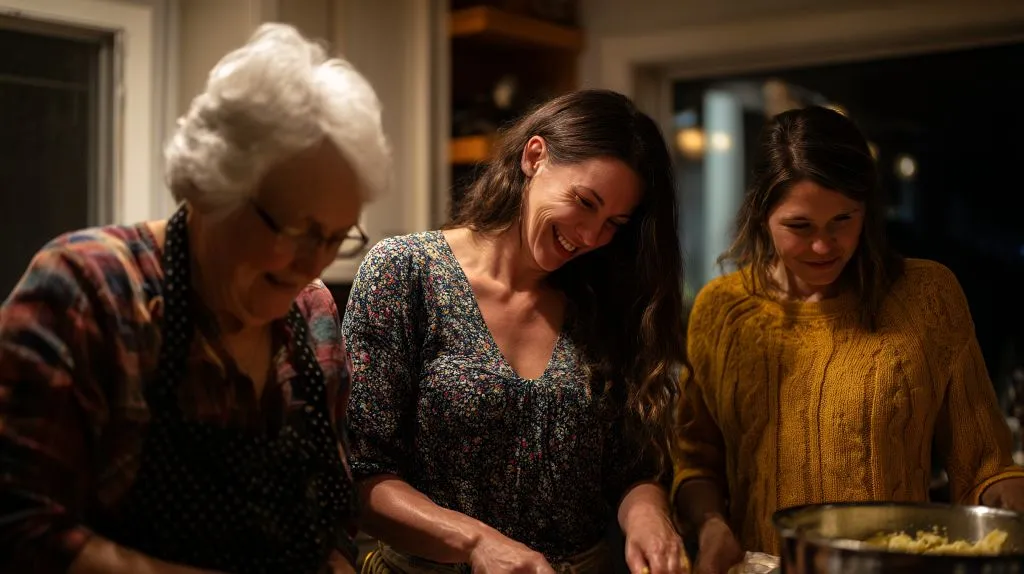
Those who go through the funeral planning journey often gain a deeper appreciation for everyday moments. Simple experiences, such as spending time with family or enjoying quiet routines, can feel more meaningful. This shift in perspective encourages a more mindful way of living.
Building Financial Awareness
Funeral costs can be significant, and planning ahead highlights the importance of financial awareness. Understanding these expenses helps individuals make informed decisions and avoid unnecessary stress.
Looking into a funeral insurance plan, reviewing available payment options, or comparing different funeral providers can make a large difference. These steps allow for better budgeting and reduce the financial burden on loved ones.
Conclusion
Pre-planning funeral arrangements may seem like a heavy task, but it offers valuable lessons that reach far beyond the process itself. It teaches the importance of preparation, encourages honest conversations, and brings clarity to personal values. It also helps reduce stress for loved ones and promotes a deeper appreciation for life. While the topic may feel uncomfortable at first, it can lead to a stronger sense of peace and understanding. In the end, taking these steps is not only about planning for the future but also about living more thoughtfully in the present.