

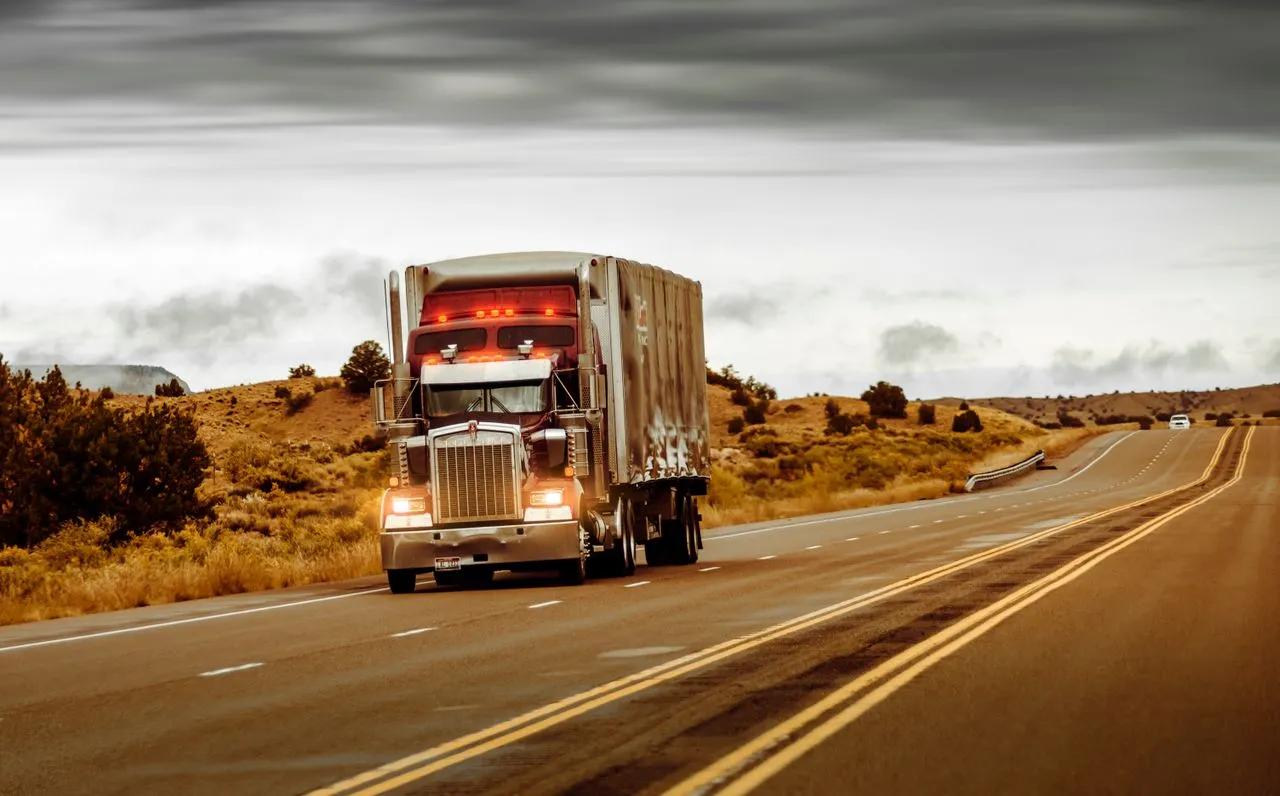
Long Island's commercial transportation network connects distribution centers, industrial areas, retail destinations, and major roadways. Large trucks regularly share these routes with passenger vehicles, creating situations where a collision can involve several drivers and potentially multiple responsible parties. New York's 2024 traffic safety figures reveal an important distinction: 89% of fatal and personal injury crashes involving large trucks involved multiple vehicles, compared with 70% of such crashes across all vehicle types. The findings come from the Institute for Traffic Safety Management and Research.
Responsibility after a commercial truck collision may extend beyond the person behind the wheel. A trucking company could face scrutiny over hiring practices, supervision, or vehicle maintenance, while a separate contractor may be responsible for unsafe cargo loading. Equipment manufacturers and other parties may also become relevant if defective components contributed to the crash. A Long Island truck accident attorney can help examine these relationships and determine which parties may bear legal responsibility under the circumstances.
The Driver’s Conduct Matters
A truck driver can face liability for speeding, distraction, fatigue, impairment, unsafe lane changes, or following too closely. A traffic violation does not decide the entire claim, but it can help show how the crash happened.
Driver conduct also includes decisions made before the collision. Hours-of-service records, dispatch messages, training materials, drug and alcohol testing, and electronic truck data can show whether the driver operated while tired, rushed, or distracted.
The Carrier May Share Liability
The trucking company can face responsibility when the driver was working within the scope of employment. The company can also face claims for negligent supervision, unsafe scheduling, inadequate training, or ignoring known safety problems.
A commercial carrier controls many records that clarify fault. An early investigation by a truck accident attorney can seek driver logs, inspection reports, onboard data, communications, and surveillance footage. Those materials can connect the driver’s conduct to company policies and identify other parties that contributed to the crash.
Vehicle Owners Can Face Claims
The company operating a truck does not always own it. A separate owner, leasing company, or fleet manager could face responsibility for defective equipment, poor inspection practices, or allowing an unsafe vehicle onto the road.
Ownership records matter because contracts can divide duties among several parties. One entity might control the driver, while another handles tires, brakes, lights, or other equipment. The investigation should examine those agreements instead of assuming the name on the truck identifies every responsible party.
Maintenance Failures Create Exposure
Brake problems, worn tires, steering defects, broken lights, and other equipment failures can cause or worsen a commercial crash. Liability can extend to a carrier that skipped inspections or ignored repair warnings. A repair provider could also face a claim for defective work.
Maintenance records deserve prompt attention. A damaged truck could be repaired, sold, or altered before an injured person can inspect it. Photographs, inspection reports, repair invoices, and vehicle data can help establish whether a mechanical condition existed before impact.
Cargo Loading Can Cause Instability
Improperly loaded or secured cargo can shift during travel, increase stopping distance, fall from a trailer, or cause a rollover. Responsibility can rest with the driver, carrier, warehouse operator, shipper, or loading contractor, depending on who handled the freight.
The type of cargo and the loading process both matter. Investigators should examine bills of lading, weight records, loading instructions, photographs, and the trailer’s condition. A truck that becomes unstable during an ordinary maneuver can point to a cargo problem rather than a driving error alone.
Manufacturers Can Face Defect Claims
A defective truck part can create a separate claim against the manufacturer, distributor, or seller. The defect could involve the vehicle’s design, a production error, or inadequate warnings about a known hazard.
These claims require technical proof. The damaged component should be preserved, and qualified investigators can compare it with maintenance records, inspection findings, and similar parts. Replacing or discarding the component can make it harder to determine whether a product defect caused the crash or resulted from the impact.
Evidence Ties Liability Together
Commercial truck cases often involve competing explanations. An insurer might blame the driver, while the carrier points to a mechanical failure or cargo issue. Physical evidence and business records can test each explanation.
Useful evidence includes:
Police reports and crash-scene photographs.
Medical records connecting injuries to the collision.
Driver logs, inspection forms, and dispatch communications.
Truck data, video footage, and witness statements.
Maintenance, loading, ownership, and insurance records.
New York rules also affect how fault and compensation are evaluated. The injured person’s actions, the seriousness of the injuries, and available insurance coverage can change the claim’s value. An early review helps identify all potential defendants before evidence becomes difficult to obtain.
Conclusion
Liability after a commercial truck crash depends on the facts behind the collision, not simply on who was driving. An injured person should preserve photographs, medical records, vehicle information, and communications with insurers or trucking representatives. Several parties can share responsibility, so the investigation should begin before the truck, cargo, electronic data, or maintenance records change. The first question is, who controlled the condition that caused the crash?