

Image source: freepik
Electric vehicles have moved far beyond being a niche option for environmentally conscious drivers. Today, EV technology is reshaping the entire driving experience, from how cars perform on the road to how drivers think about convenience, safety, and long-term costs. As manufacturers continue to invest in innovation, modern driving is becoming smarter, quieter, and more efficient than ever before.
Smarter Performance on the Road
One of the biggest changes EV technology has introduced is instant power delivery. Unlike traditional petrol or diesel engines, electric motors provide immediate torque, giving drivers faster acceleration and smoother handling. This creates a more responsive driving experience that feels refined in both city traffic and on open roads.
Many modern EVs also feature advanced driving systems designed to improve comfort and control. Regenerative braking, for example, helps recharge the battery while slowing the car down, making driving more energy efficient while reducing wear on traditional braking components. These systems are helping drivers enjoy vehicles that feel both powerful and practical at the same time.
Improved Battery Innovation
Battery technology has evolved rapidly over the past few years. Earlier concerns around range anxiety are becoming less common as manufacturers introduce longer-lasting batteries capable of covering significant distances on a single charge. Faster charging solutions are also making EV ownership more convenient for everyday drivers.
Modern batteries are now designed to deliver improved durability and efficiency in different weather conditions, helping electric vehicles become more reliable for a wider range of lifestyles. This has encouraged more drivers to consider switching to electric, especially those looking for dependable transportation without sacrificing performance.
A More Connected Driving Experience
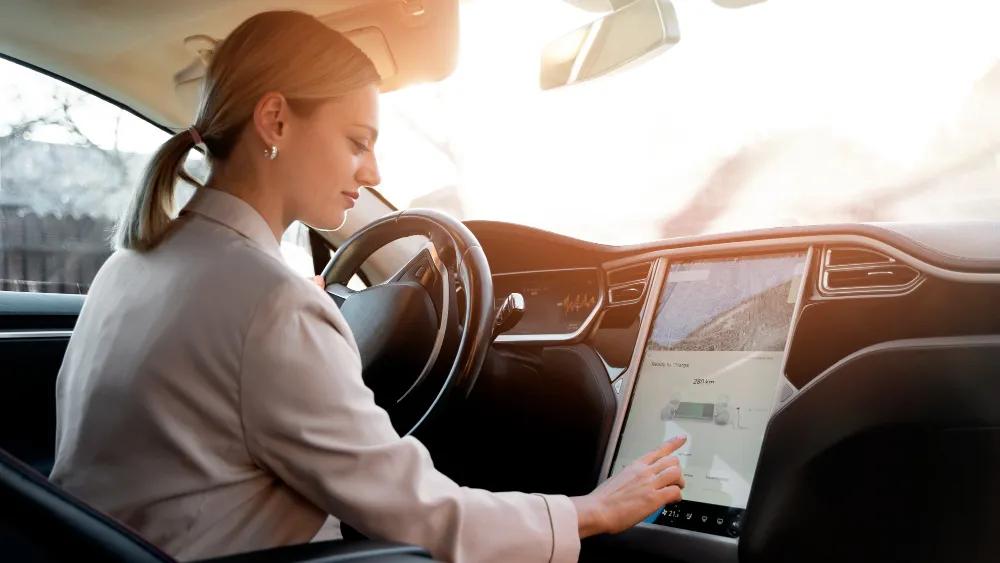
Technology plays a huge role in the appeal of modern EVs. Many electric vehicles are equipped with intelligent software systems that allow drivers to monitor battery usage, charging schedules, and vehicle performance directly from smartphone apps.
Features such as real-time navigation linked to nearby charging stations, over-the-air software updates, and advanced voice controls are helping cars feel more integrated into daily life. In many ways, EVs are starting to function more like smart devices, constantly evolving through software improvements even after leaving the dealership.
Drivers searching for Ford electric vehicles Los Angeles options are increasingly exploring inventories like Ford Electric Vehicles in Los Angeles to experience how connected technology is changing the way people interact with their vehicles.
Lower Running Costs for Drivers
Another major reason why EV technology is transforming modern driving is the potential for lower running costs. Electric vehicles generally require less maintenance because they have fewer moving parts than traditional combustion engines. There are no oil changes, fewer fluid replacements, and reduced wear on braking systems thanks to regenerative braking.
Charging an EV can also be more cost-effective than regularly filling a fuel tank, particularly for drivers who charge at home during off-peak energy hours. Over time, these savings can make electric vehicles an attractive option for households looking to reduce long-term transportation expenses.
Safety Features Continue to Advance
Modern EVs are often designed with advanced safety systems built into their core technology. Many electric vehicles include driver assistance features such as lane-keeping support, adaptive cruise control, automatic emergency braking, and collision detection systems.
Because EV batteries are typically positioned low within the vehicle frame, they can also create a lower center of gravity. This may improve overall vehicle stability and handling while reducing rollover risk. Manufacturers are continuing to refine these safety systems as EV adoption grows across the automotive market.
The Future of Driving Is Evolving
Electric vehicle technology is influencing far more than just the cars themselves. It is shaping infrastructure, urban planning, and even consumer expectations around mobility. Charging networks continue to expand, while manufacturers push innovation in battery efficiency, sustainability, and autonomous driving systems.
As the automotive industry evolves, drivers are gaining access to vehicles that combine technology, practicality, and performance in entirely new ways. EVs are no longer simply an alternative to traditional vehicles; they are becoming a major part of the future of modern driving.