

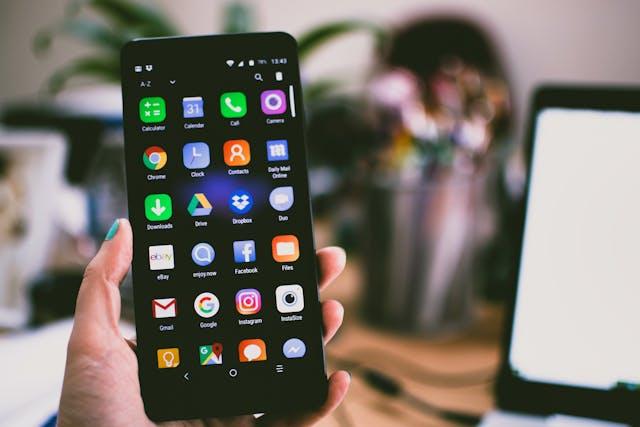
The world has gone mobile—and businesses are following fast. Mobile apps have become the new frontier for digital innovation, transforming how brands connect with customers, streamline operations, and create value. What once started as a convenience has become a cornerstone of modern digital business strategy.
DataReportal's 2025 Global Overview Report shows over 7.3 billion smartphone users worldwide, representing more than 91% of the global population. Meanwhile, Statista forecasts that mobile app revenue will surpass $935 billion in 2025, fueled by in-app purchases, subscriptions, and digital advertising. Even more striking, data.ai reports that users spend an average of 4.8 hours per day on mobile apps—nearly one-third of their waking hours.
These numbers tell a powerful story: mobile apps are no longer optional. They are reshaping industries, driving new revenue streams, and redefining how businesses deliver value in the digital economy.
1. The Rise of the Mobile-First Economy
The mobile-first economy isn't a trend—it's the new reality. With mobile traffic accounting for over 60% of global web usage, businesses are redesigning their digital strategies around mobile experiences. Consumers expect speed, personalization, and seamless access—values that mobile apps effortlessly deliver.
Today, being online is not just about being accessible anywhere, anytime. From ordering food to managing finances or learning online, people rely on mobile apps to make everyday life easier and faster.
Companies that embrace mobile-first strategies are seeing tangible results—greater engagement, higher conversions, and improved brand loyalty.
PRO TIP:
Design your mobile app to offer simplicity and speed. A smooth, intuitive interface keeps users returning—and drives long-term retention.
2. Mobile Apps as Business Accelerators
Mobile applications have evolved into powerful growth engines. They enable businesses to reach customers directly, bypassing the noise of search engines or social platforms.
a. Direct Engagement and Loyalty
Apps foster personalized, one-to-one communication with customers. Push notifications, exclusive offers, and reward systems keep users connected and engaged—long after they've made their first purchase.
b. Data-Driven Business Intelligence
Every interaction within a mobile app generates valuable data. From browsing behavior to purchase frequency, this insight helps brands predict needs, refine products, and deliver meaningful experiences.
c. Operational Efficiency
Beyond customer-facing benefits, mobile apps simplify internal workflows. Businesses now use apps to manage supply chains, automate reporting, and enhance collaboration, driving productivity and cost efficiency.
PRO TIP:
Integrate your app's analytics tools, such as Firebase or Mixpanel, to uncover trends and improve decision-making. Knowledge drives smarter strategies.
3. Redefining Customer Experience (CX)
In the age of instant gratification, customer experience determines success. Mobile apps have revolutionized CX by combining personalization, convenience, and accessibility into one seamless experience.
a. Convenience in Every Tap
Customers value simplicity. Whether paying bills, booking flights, or buying groceries, mobile apps allow users to complete actions in seconds without switching platforms or devices.
b. Personalized Experiences
Artificial Intelligence (AI) powers more innovative apps that learn user habits. Netflix recommends shows based on your viewing history; Amazon suggests products that match your preferences. The result? Deeper engagement and higher satisfaction.
c. Omnichannel Integration
Mobile apps bridge the digital and physical worlds. Retailers now offer mobile payments, digital receipts, and loyalty programs that sync in-store and online experiences—building a unified customer journey.
PRO TIP:
Personalization builds loyalty—but transparency builds trust. Clearly communicate how and why you use customer data.
4. Mobile Commerce: The Powerhouse of Digital Sales
Mobile commerce, or mCommerce, redefines how consumers shop and businesses sell. As of 2025, over 70% of all e-commerce sales come from mobile devices. That means mobile apps are not just part of the shopping experience—they are the experience.
a. Frictionless Buying
Mobile wallets, one-click payments, and simplified checkout processes reduce friction and boost conversions. The easier the process, the higher the sales.
b. Immersive Shopping Through Technology
AR and AI are transforming mobile shopping. Brands like IKEA let users visualize furniture in their homes, while fashion retailers offer virtual try-ons—bridging imagination and reality.
Businesses don’t need a full tech team to deliver this level of seamless mobile commerce. Tools like drag-and-drop mobile app builders empower store owners to design, customize, and launch apps in days, not months. This democratization of app development helps level the playing field for smaller retailers competing with giants like Amazon or Flipkart.
PRO TIP:
Your most potent sales weapon is a fast-loading app with an easy checkout. Each second of delay can reduce conversion rates by up to 20%.
5. AI and Automation: The Future of App Intelligence
Artificial Intelligence has turned mobile apps from static tools into dynamic, learning platforms.
a. Predictive Personalization
AI enables apps to anticipate user needs—suggesting the following product, playlist, or service before the user asks.
b. Conversational Interfaces
Voice-enabled apps and chatbots make interactions faster and more human. Users can book rides, pay bills, or get support through simple voice or chat commands.
c. Automated Support Systems
AI-powered chatbots handle FAQs, order tracking, and scheduling, giving users instant assistance and freeing human agents for complex tasks.
PRO TIP:
Use automation wisely. The best apps balance human warmth with AI efficiency, ensuring users feel understood, not processed.
6. Security: Building Trust in a Connected World
With great convenience comes great responsibility. As users share personal and financial data, security becomes non-negotiable.
a. Encryption and Authentication
End-to-end encryption and two-factor authentication safeguard sensitive data from breaches.
b. Frequent Updates
Regular updates protect apps from vulnerabilities and align systems with the latest security standards.
c. Compliance with Data Privacy Regulations
Regulations like GDPR and CCPA set clear expectations for data transparency and protection. Businesses that follow these earn customer trust and brand credibility.
PRO TIP:
Be proactive in your security messaging. When users feel safe, they engage more and stay longer.
7. Mobile Apps Empowering the Remote Workforce
The rise of remote and hybrid work models has made mobile apps essential for modern businesses. Apps like Slack, Asana, and Zoom have proven that productivity doesn't rely on location—it depends on connection.
a. Collaboration Anywhere
Mobile apps enable real-time communication and file sharing, ensuring that teams remain aligned and productive wherever they work.
b. Streamlined Operations
From project tracking to HR management, business apps automate repetitive tasks, improve coordination, and reduce errors.
c. Secure Cloud Access
Cloud-based apps ensure employees can securely access files and resources on the go—empowering a flexible, mobile workforce.
PRO TIP:
Choose mobile tools that sync seamlessly across devices. Continuity keeps your team connected and efficient.
8. Emerging Trends Shaping the Mobile App Landscape
Mobile technology evolves fast—and businesses that stay ahead of these trends will lead the market.
a. The 5G Revolution
5G connectivity will make apps faster, more responsive, and capable of supporting immersive technologies like AR and VR with zero lag.
b. The Rise of Super Apps
Super apps like Grab and WeChat integrate multiple services—transport, messaging, payments, and shopping—into a single platform. This all-in-one model is gaining traction worldwide.
c. Blockchain Integration
Blockchain ensures transparency, security, and decentralized data management—essential for finance, healthcare, and logistics industries.
d. IoT and Wearable Ecosystems
Mobile apps integrate with smartwatches, health trackers, and home devices, delivering real-time insights and greater personalization.
PRO TIP:
Monitor mobile trends quarterly. The faster you adapt, the more competitive you stay in the digital marketplace.
9. Why Every Business Needs a Mobile Strategy
In a digital-first economy, a strong mobile presence isn't a luxury—it's a survival tool. Businesses without an app risk losing relevance and visibility in an environment where convenience and personalization drive loyalty.
A powerful mobile strategy allows brands to:
- Build direct relationships with their audience
- Harness data for continuous improvement
- Increase conversion rates and customer retention
- Strengthen brand trust and recognition
Whether a startup or an enterprise, a well-designed mobile app can bridge your brand and tomorrow's digital consumer.
PRO TIP:
Think beyond features. Build an app that solves real problems and makes users' lives easier—value always wins.
Final Thoughts
Mobile apps have become the heart of digital business transformation. They bridge technology and human experience, allowing brands to connect, engage, and grow unprecedentedly. As AI, 5G, and automation continue to evolve, the businesses that thrive will be those that understand one truth: the future of digital business is mobile, intelligent, and customer-driven.
So, whether you're building your first app or refining an existing one, the message is clear—go where your customers are. Their world is mobile, and so is your opportunity.