

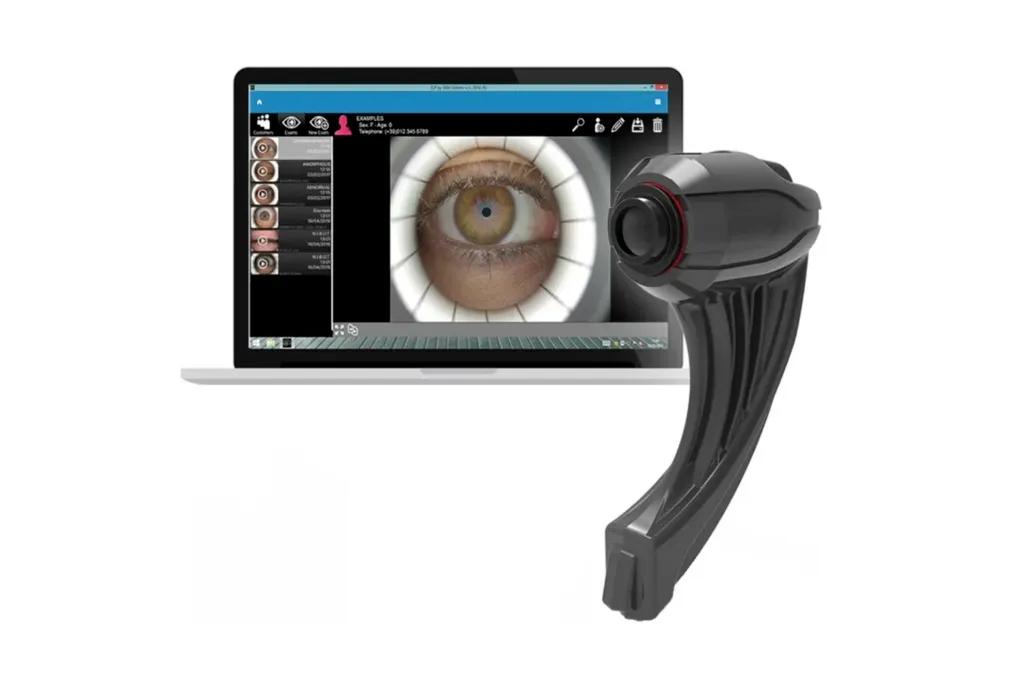
Dry eye disease has become an increasingly common concern within modern eye care, affecting people across a wide range of age groups and lifestyles. Factors such as increased screen use, environmental exposure, aging, contact lens wear, and certain medical conditions have contributed to growing demand for more accurate diagnosis and treatment planning. Many eye care professionals now rely on advanced dry eye examination equipment from BOC Instruments because modern diagnostic technology allows clinics to assess ocular surface conditions with greater precision and consistency than traditional examination methods alone.
As understanding of dry eye disease continues evolving, technology is playing a much larger role in helping practitioners identify underlying causes, monitor disease progression, and personalise treatment strategies for individual patients. Modern diagnostic equipment helps improve both clinical efficiency and the overall patient experience while supporting more informed decision-making within optometry and ophthalmology practices.
Dry Eye Disease Can Be Difficult to Diagnose
Dry eye disease is often more complex than many people initially realise. Symptoms such as irritation, burning, blurred vision, watering eyes, light sensitivity, and eye fatigue may vary significantly between patients and can sometimes fluctuate throughout the day. One of the challenges in diagnosing dry eye disease is that symptoms and clinical signs do not always match consistently. Some patients experience significant discomfort despite relatively mild visible signs, while others may show noticeable ocular surface changes with fewer symptoms.
Because dry eye can involve multiple contributing factors, practitioners often assess several aspects of ocular surface health, including tear quality, tear production, inflammation, meibomian gland function, and blink patterns.
Modern dry eye diagnostics help practitioners evaluate:
Tear film stability
Meibomian gland function
Ocular surface condition
Tear production levels
Inflammatory indicators
More detailed assessments can help improve diagnostic accuracy while supporting more targeted treatment planning.
Technology Improves Diagnostic Precision
Traditional dry eye evaluations often relied heavily on manual observation and symptom-based assessments. While these methods remain valuable, modern technology now allows practitioners to gather more objective clinical information during examinations. Advanced imaging and diagnostic systems can provide detailed visualisation of tear film quality, gland structure, ocular surface abnormalities, and other important clinical indicators. This additional data helps practitioners better understand the specific causes contributing to a patient’s dry eye symptoms.
Technologies commonly used in modern dry eye assessments may include meibography imaging, tear film analysis systems, non-invasive tear break-up time testing, ocular surface imaging, and blink function analysis. These tools allow practitioners to identify subtle abnormalities that may be difficult to detect through traditional examination techniques alone.
Earlier Detection Supports Better Long-Term Management
One of the major advantages of improved diagnostic technology is the ability to identify dry eye conditions earlier, sometimes before symptoms become severe. Earlier detection allows practitioners to recommend management strategies before the condition progresses further or begins significantly affecting visual comfort and quality of life. Many patients may not initially recognise that symptoms such as eye fatigue, fluctuating vision, or watering eyes are related to dry eye disease. Comprehensive diagnostic assessments can help identify underlying ocular surface problems that may otherwise go unnoticed during routine examinations.
BOC Instruments Dry Eye Equipment provides diagnostic equipment designed to support advanced dry eye assessment and ocular surface evaluation for eye care professionals. Improved early detection may also help practitioners monitor changes over time and evaluate how patients respond to ongoing treatment strategies.
Personalised Treatment Planning Is Becoming More Important
Dry eye disease can develop from many different underlying causes, which means treatment approaches often need to be tailored to the individual patient rather than relying on a single standard solution. Some patients may primarily experience evaporative dry eye related to meibomian gland dysfunction, while others may have reduced tear production, inflammation, environmental triggers, or mixed forms of the condition. Technology-assisted diagnostics help practitioners better differentiate between these contributing factors.
Modern dry eye management may involve treatments such as:
Lubricating eye drops
Warm compress therapies
Lid hygiene management
Meibomian gland treatments
Environmental and lifestyle adjustments
More detailed diagnostic information helps practitioners select management strategies more appropriately based on each patient’s specific ocular surface condition.
Digital Lifestyles Are Increasing Dry Eye Concerns
Modern lifestyles have significantly increased the prevalence of dry eye symptoms in both younger and older populations. Prolonged screen use is one of the most commonly discussed contributing factors because digital device use often reduces blink frequency and affects tear film stability. Many people now spend several hours each day using computers, smartphones, tablets, and other digital devices for work, study, and entertainment. This prolonged visual demand can contribute to eye fatigue and ocular surface discomfort over time.
Environmental factors such as air conditioning, heating systems, pollution, and low humidity may also worsen symptoms for some individuals. As dry eye becomes more common within the general population, eye care practices are increasingly expanding their diagnostic capabilities to support growing patient demand.
Objective Imaging Helps Improve Patient Education
One of the additional benefits of modern dry eye technology is its ability to visually demonstrate clinical findings to patients. Imaging systems and diagnostic reports can help patients better understand their condition and the reasons behind recommended treatment plans. Visual education often improves patient engagement because individuals can more clearly see issues affecting tear film quality, gland function, or ocular surface health during consultations.
Improved patient understanding can support better treatment adherence and more realistic expectations regarding long-term management. Patients who understand the underlying causes of their symptoms are often more likely to follow recommended treatment plans consistently over time.
Eye Care Technology Continues Evolving
The field of dry eye diagnostics continues advancing as research improves understanding of ocular surface disease and associated treatment approaches. New technologies are helping practitioners gather more detailed clinical information while improving efficiency during patient examinations. As diagnostic capabilities improve, eye care professionals are increasingly able to deliver more comprehensive and individualised care for patients experiencing dry eye symptoms. Technology is also helping integrate dry eye management more fully into broader ocular health assessments within modern practices.
This ongoing evolution reflects the growing recognition of dry eye disease as a significant and often chronic ocular condition requiring detailed evaluation and ongoing management rather than simple symptom relief alone.
Conclusion
Technology is playing an increasingly important role in improving dry eye detection, diagnosis, and long-term patient management within modern eye care. Advanced diagnostic systems allow practitioners to assess ocular surface health more accurately while helping identify the underlying causes contributing to patient symptoms.
From tear film analysis and meibography imaging to personalised treatment planning and improved patient education, modern dry eye technology supports more comprehensive and targeted care approaches. Earlier detection and objective clinical data also help practitioners monitor disease progression and treatment response more effectively over time. As dry eye disease continues becoming more common due to digital lifestyles and environmental factors, advanced diagnostic technology will likely remain an increasingly important part of delivering effective and personalised eye care solutions.