

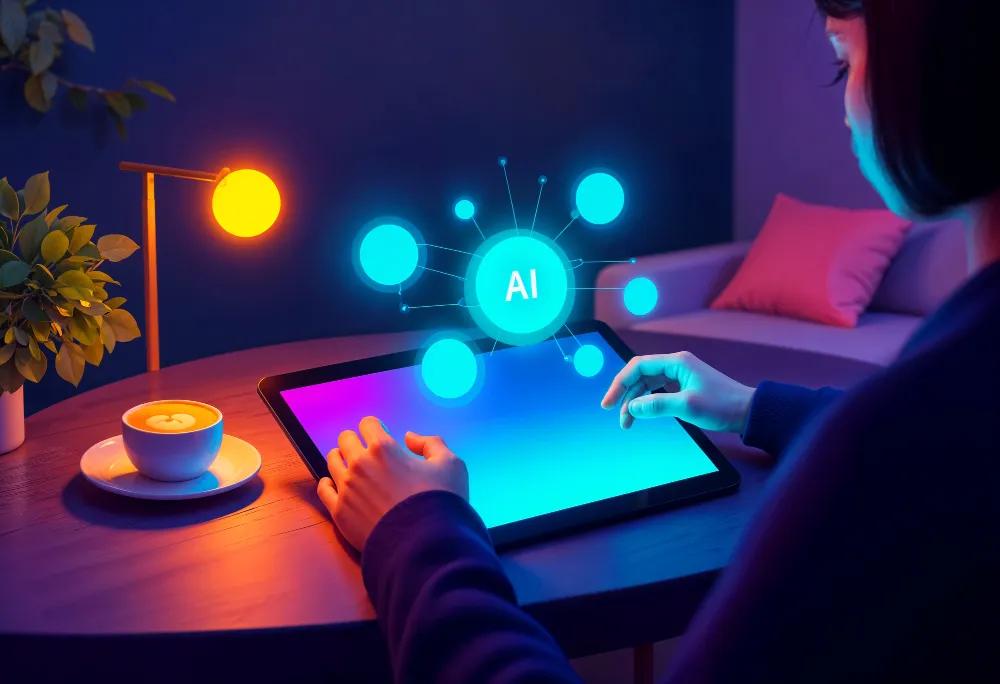
Image source: freepik
AI has come a long way, you know, from just handling basic text stuff to doing all these multimodal things that mix different types of data. I think the GPT Image 2 model stands out as one of the bigger steps forward. It’s basically this setup that connects what people imagine with actual digital pictures. Users can put in a description, and it turns that into really detailed images, more accurate than before, thanks to those deep learning systems it uses. That part about the evolution feels important. Like, it was not that long ago when AI was stuck with simple tasks, but now its pushing into visuals in a serious way.
When you get into what makes GPT Image 2 model tick, it’s a kind of generative pre-trained transformer made for creating images. Earlier versions had trouble with things like getting the space right or handling tricky textures, but this one seems better at picking up on lighting details, how things are arranged, and even making bodies look correct. I am not totally sure if it gets everything perfect, but it does handle those nuances way better. Sort of bridges that imagination gap.
Know about GPT Image 2
The model lets you maximize creative ideas, turning prompts into high quality visuals. It’s like a new frontier for AI in pictures, opening up potential that was hard to reach earlier. The images come out clearer too, with more pixels packed in and not so many weird glitches. That makes them work for actual jobs, you know, like marketing stuff or websites, even social media posts that look professional. Style wise, it covers a lot. Photorealism if you want it real looking, or 3D kind of renders, pencil sketches, pop art, all that. Pretty wide range there.
For making a series of images, it keeps things consistent better than before, like the same character or setting across them. That could be handy for people doing ongoing projects. AI in graphic design today, it’s not really about kicking humans out of the picture. More like helping out, making creativity go further. This model acts as a booster for designers, speeding things along.
Take the ideation part, back in the day, putting together mood boards or quick sketches took forever, days sometimes. Now with this, you can spit out fifty different versions of an idea in just minutes. Let’s you try more stuff, experiment without wasting time. Ends up with better results overall, I guess. Though it might make things too fast sometimes, not sure.
Small business owners who do not have any design background, or even social media people managing accounts, they can now make pretty good images without much trouble. Tools with the GPT Image 2 model let anyone who has an idea in their head turn it into something that looks professional. I think that is a big deal because not everyone has time or skills for fancy software.
Final Thoughts
Across different areas, this model works in all sorts of ways. Like in e-commerce, you could create pictures showing products in everyday settings, and skip the whole photoshoot cost that adds up quick. Gaming is another spot where it fits, generating ideas for characters or worlds that developers might use early on. It feels kind of versatile there.
Marketing teams can adjust visuals right away to match what a certain group likes, changing styles on the fly. Education might use it for diagrams or illustrations that make tough ideas easier to get, custom made for the lesson. Some people might say gaming gets the most out of it, but I am not totally sure, education seems important too.
When it comes to prompts, the input you give really matters for good results. Start with the main thing, like what the image centres on, say an astronaut or whatever. Then add what is happening around it, maybe the astronaut is doing something specific in a weird place.
Style comes next, deciding if it should look real or drawn in some way, high quality like 8k. Lighting and the feel of it all, golden light or something dark and glowing, that helps set the mood. Being detailed in the prompt means you end up with stuff that does not need fixing later, or at least not much. It seems straightforward, but getting it right takes a few tries sometimes.