

Smart Spending: Why the New Flagship is Actually the "Best Value" Mate in Years
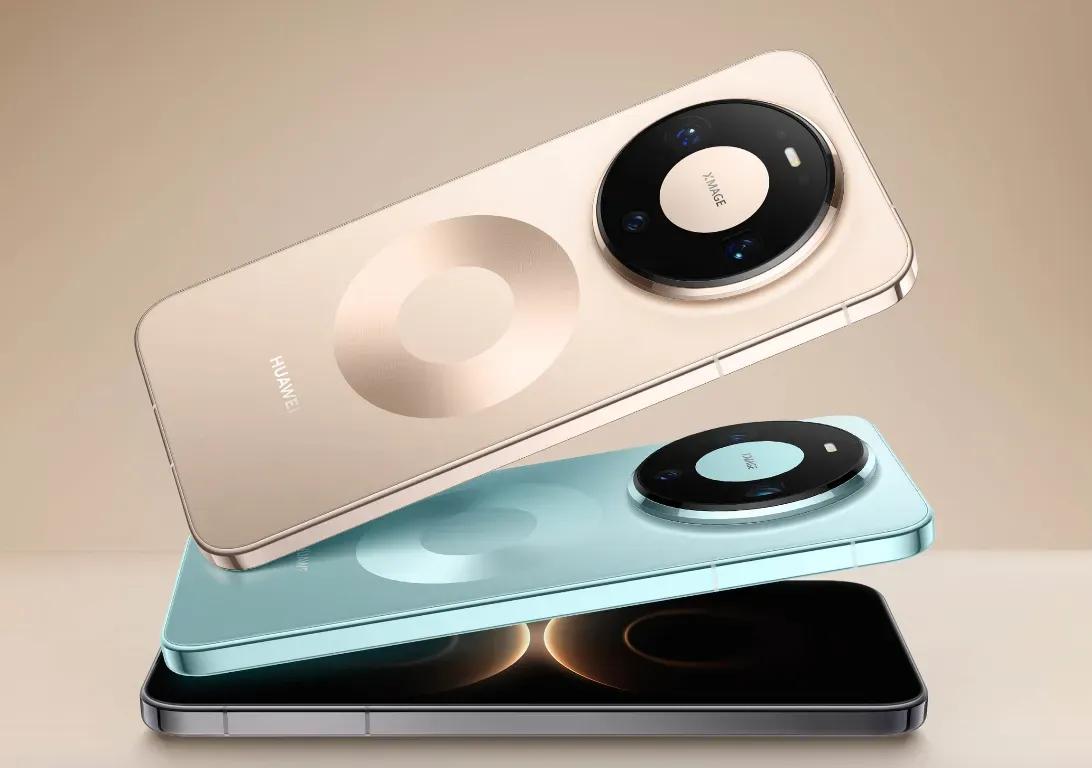
In the world of high-end smartphones, we’ve grown accustomed to a frustrating trend: every year, the specs go up, and the price tag follows suit. By 2026, dropping over a thousand dollars on a phone has become the "new normal." So, when rumors started swirling that the latest release from the Mate series might actually buck this trend, the tech community sat up and took notice.
Now that the dust has settled and the device is officially on shelves, it’s time to talk about the elephant in the room: the huawei mate 80 price. Surprisingly, instead of pushing into even more eye-watering territory, the standard model has launched with a starting price of approximately CNY 4,699 (around $660). In an era of $1,000 "entry-level" flagships, this move feels like a calculated statement.
Breaking Down the Numbers
To understand if this is a good deal, we have to look at what you’re actually getting for your cash. The base model comes with 12GB of RAM and 256GB of storage. If you want to bump that up to 16GB of RAM or 512GB of storage, you’re looking at a modest increase to about CNY 5,499.
When you compare this to its "Pro" and "Pro Max" siblings—which can easily scale up to CNY 8,999 and beyond—the standard version starts looking like a steal. But "cheap" is a relative term in the flagship world. The real question is whether the hardware inside can justify the spend.
Getting "Pro" Tech at a "Standard" Cost
Usually, when a brand lowers a price, they cut corners. You might get a plastic back, a slower chip, or a last-gen screen. However, the huawei mate 80 price includes several features that were reserved for the "Ultra" models just a couple of years ago.
For starters, it’s powered by the Kirin 9020 chipset. This isn't a "lite" version of the chip; it’s the same silicon driving the performance of the more expensive models, offering a nearly 40% boost in efficiency over previous generations. Then there’s the battery—a massive 5750 mAh cell. Most competitors in this price bracket are still hovering around the 5000 mAh mark.
Furthermore, the inclusion of the second-generation Kunlun Glass and an IP69 rating means you’re getting a phone that’s built like a tank. In the past, you’d have to pay a premium for that kind of "industrial-grade" durability. Here, it’s standard.
The HarmonyOS 6.0 Longevity Factor
One of the biggest hidden costs of any smartphone is its "shelf life." If a phone starts lagging after 18 months, its "price per year" is actually quite high. This is where HarmonyOS 6.0 (the "Pure" version) changes the math.
Because the system is so tightly optimized with the Kirin hardware, it requires less raw power to perform daily tasks. This means less heat, less battery degradation, and a much longer lifespan. When you factor in the huawei mate 80 price over a three-to-four-year ownership period, it becomes one of the most economical high-end devices on the market. You aren't just buying a phone for today; you're buying a device that’s built to stay fast until 2029 or 2030.
Who is it For?
If you’re the type of person who needs a 100x periscope zoom or a ceramic back, then by all means, go for the Pro Max or the RS Master Edition. But for the vast majority of us—the people who want a fast, reliable, and incredibly tough phone with a killer camera—the standard model is the sweet spot.
It hits that rare "Goldilocks" zone of pricing: expensive enough to feel like a true premium flagship, but affordable enough that you don't feel like you're paying a "luxury tax" just for the brand name.
Final Thoughts
Market data from early 2026 shows that this model is already outperforming its more expensive brothers in sales. It’s not hard to see why. By prioritizing the features that people actually use—battery life, screen durability, and system speed—while keeping the huawei mate 80 price competitive, the brand has created a benchmark for what a 2026 flagship should be.
It’s proof that you don't always have to spend more to get more. Sometimes, the best tech is the tech that respects your wallet as much as your high standards.