

Choosing a new smartphone can feel confusing when every brand claims to offer the “best” features. You see big numbers for megapixels, battery capacity, RAM, and processors, but it is not always clear what actually improves daily use. A smart decision starts with understanding which specs matter, how they affect real performance, and which ones you can safely ignore. This guide breaks down the essential features to compare before you buy: display quality, design and build, performance, camera, storage, battery, software, and overall value. You will see how each part influences everyday tasks such as social media, gaming, photography, and work. With this knowledge, you can match a phone’s features to your habits and budget, avoid marketing traps, and choose a device that stays reliable for several years.
Display, Design, and Build Quality
Screen Size, Resolution, and Refresh Rate Explained
Screen size is one of the first things you notice. Most modern smartphones range from about 6.1 to 6.8 inches. Larger screens are better for videos, games, and reading, but they can feel bulky in one hand or in smaller pockets. Compact phones improve comfort and reachability, yet may feel cramped for media and typing. Think about how you hold your phone and whether you often use it one-handed.Resolution controls how sharp the screen looks. Common options include HD+ (around 720p), Full HD+ (1080p), and QHD (1440p). Full HD+ often hits the sweet spot between clarity and battery life. On smaller displays, the jump from 1080p to higher resolutions is harder to see, so you may not need the top tier unless you want the very best detail.
Build Materials, Durability, and Ergonomics
Build quality affects how the phone feels and how long it lasts. Common materials include plastic, glass, and metal. Plastic backs reduce weight and may handle minor drops better, but they can feel less premium. Glass backs look and feel high-end and support wireless charging, though they are more prone to cracks and fingerprints. Metal frames add rigidity and a solid feel, often improving durability.Durability goes beyond materials. Look for an official IP rating: IP67 or IP68 means resistance to dust and water, which offers peace of mind during rain or accidental splashes. Toughened glass, like Gorilla Glass, helps protect the screen from scratches and minor impacts, although a screen protector is still wise.
Performance, Camera, and Storage Essentials
Processor, RAM, and Real-World Performance
The processor, often called the chipset or SoC, works as the brain of your smartphone. It handles everything from opening apps to gaming and multitasking. Popular chip families include Qualcomm Snapdragon. Higher-tier chips generally deliver faster performance, better graphics, and improved efficiency. If you game often or edit video on your phone, aim for a mid-range or flagship processor rather than an entry-level one.RAM helps the phone keep apps open in the background. With too little RAM, apps reload often, and multitasking feels sluggish. For light use such as calls, messaging, and social media, 4GB to 6GB can work, but many users benefit from 8GB for smoother performance and better future-proofing. Heavy users or gamers may prefer 12GB or more, especially on Android, where more RAM helps keep more apps active.
Camera Features That Matter for Daily Use
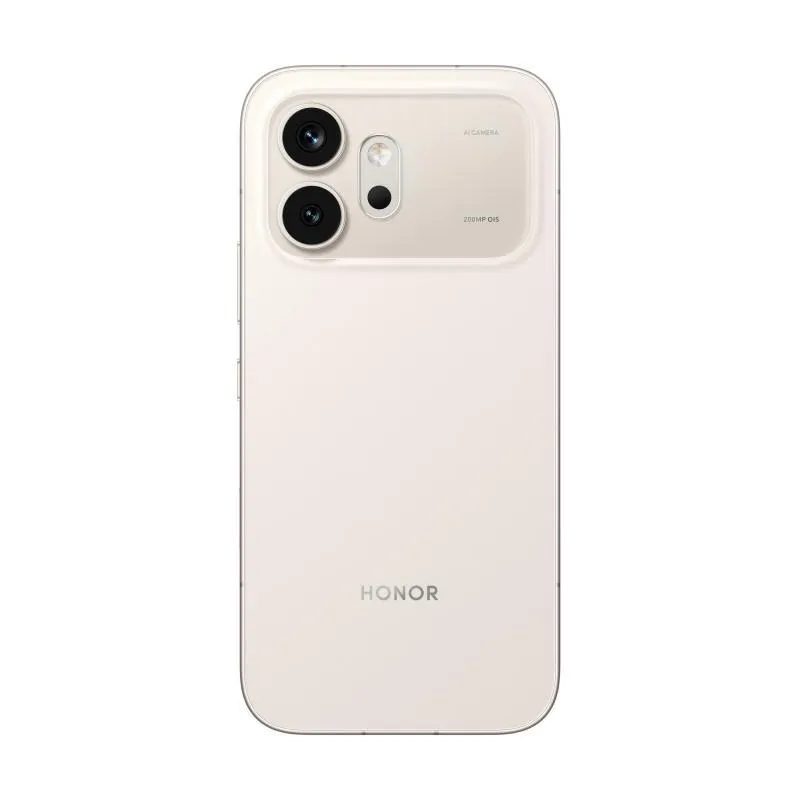
Modern phones advertise high megapixel counts, but image quality depends on several factors. Sensor size, lens quality, image processing, and stabilization often matter more than megapixels alone. Larger sensors usually capture more light, improving low-light photos and dynamic range. When comparing options or even checking details like the honor 600 price in dubai, it’s important to look beyond megapixels and focus on overall camera performance.For everyday use, the main rear camera is most important. Look for optical image stabilization (OIS) if you shoot in low light or record video often; OIS helps reduce blur from hand movement. An ultra-wide lens is useful for landscapes, group shots, and tight spaces. Telephoto lenses offer real optical zoom, which beats digital zoom for clarity. Many budget phones use macro and depth sensors, but these often add limited value compared to a strong main and ultra-wide setup.
Battery, Software, and Value for Money
Battery Capacity, Charging Speed, and Efficiency
Battery life often decides whether a phone feels reliable or frustrating. Capacity, measured in milliampere-hours (mAh), gives a rough idea of endurance. Many modern smartphones offer between 4,000mAh and 5,500mAh. Higher capacity usually means longer use, but efficiency plays an equally important role. A phone with a well-optimized processor, modern display technology, and smart software can match or beat a larger battery in a less efficient device.Charging speed is another key factor. Fast charging standards range widely, from around 18W to over 100W on some models. Faster charging means you can top up quickly during short breaks, which reduces “battery anxiety.” However, extremely fast chargers may generate more heat, so look for reputable brands that manage temperature and battery health well. Also check whether the charger comes in the box or must be purchased separately.
Software Experience, Updates, and Overall Value
Software affects how your phone looks, feels, and ages. Different brands use different skins or interfaces on top of Android. Some interfaces stay close to stock Android with a clean layout and minimal extra apps. Others add more features, customization options, and pre-installed apps. Decide whether you prefer a simple, uncluttered look or extra tools and themes.Update policy is critical for long-term value. Regular security patches protect your data, and major OS updates bring new features and improvements. Many leading brands now promise three to five years of updates for mid-range and flagship models. Before buying, check how many years of OS and security updates the manufacturer commits to, and search for their track record delivering them on time.
Conclusion
A smart smartphone purchase starts with clear priorities. When you understand how display specs, build quality, processor power, RAM, and storage affect your daily tasks, it becomes easier to filter out hype and focus on features that matter. Pay close attention to real-world camera performance, not just megapixel counts, and choose a battery and charging setup that fits your routine. Do not overlook software: a clean interface, minimal bloat, and strong update promises can extend your phone’s useful life and protect your data.