

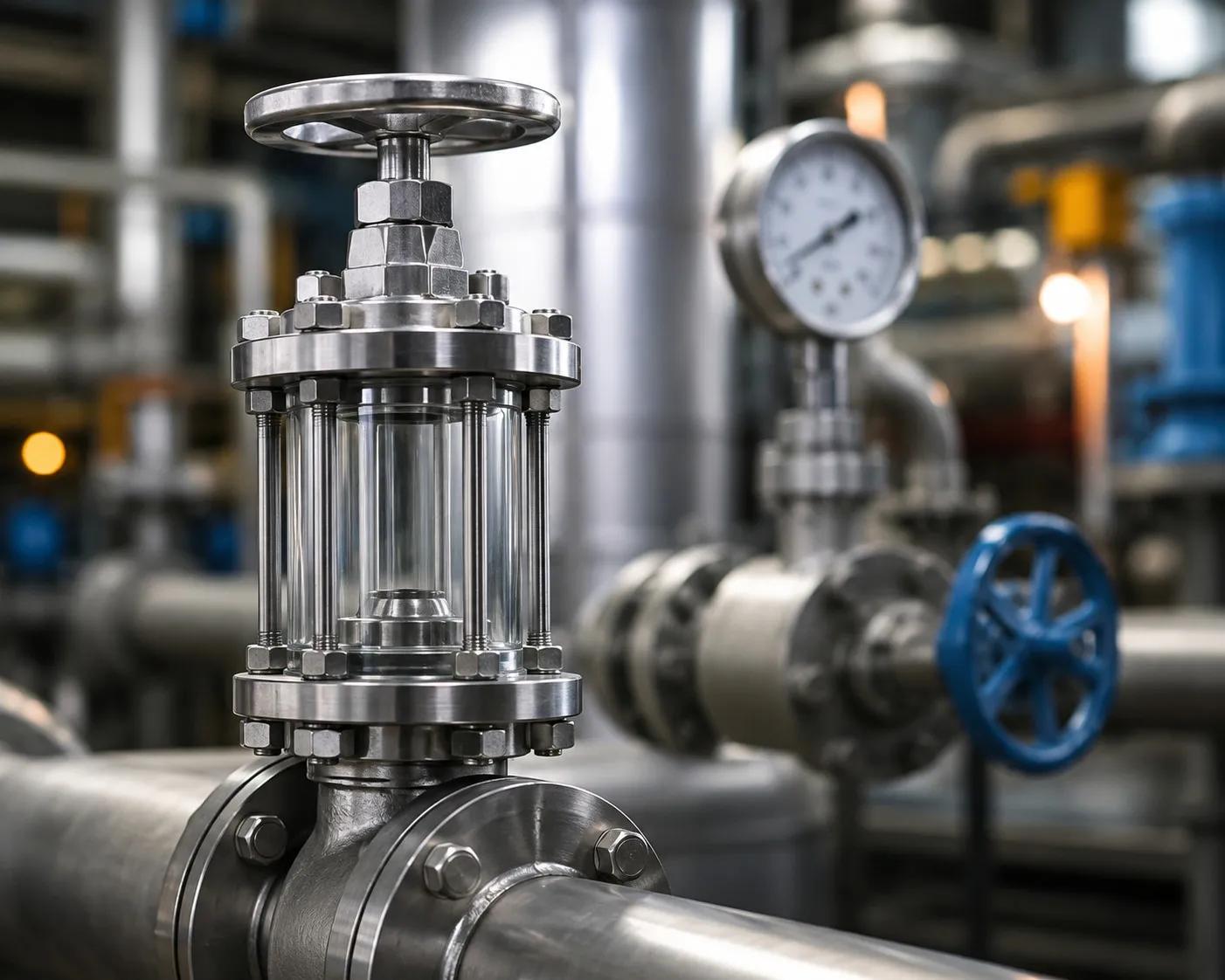
Maintaining stable pressure is important for the safe operation of chemical and pharmaceutical processing systems. During manufacturing, changes in temperature, vapour generation and material transfer can cause pressure fluctuations that affect equipment performance and process safety. Glass Vent Valves help manage these variations by allowing controlled pressure equalisation during routine operations. In glass process systems used across chemical processing, pharmaceuticals and laboratories, these valves play an important role in supporting safe and reliable operations.
How Glass Vent Valves Support Pressure Regulation
A vent valve provides a controlled passage between the inside of a process vessel and the atmosphere or a connected venting system, such as a scrubber or gas collection unit. When opened, it allows gases or vapours to escape in a controlled manner, helping equalise pressure within the vessel. When closed, it isolates the system so that normal processing can continue.
Although Vent Valves and pressure relief valves both relate to pressure management, they perform different functions. A pressure relief valve operates automatically when pressure exceeds a predetermined limit and serves as an emergency safety device. In contrast, a vent valve is operated manually or through an automated control system during routine activities, such as charging raw materials, transferring products or venting gases after a reaction. This controlled operation helps maintain suitable pressure conditions throughout the process.
Why Borosilicate Glass Is Preferred for Vent Valves
Many chemical and pharmaceutical processes involve corrosive substances that can damage conventional materials over time. Since Vent Valves form part of the overall process system, they must provide the same level of chemical resistance as the connected equipment.
Borosilicate 3.3 glass is widely used because it offers excellent resistance to most acids, many organic solvents, and numerous chemicals commonly handled in industrial applications. It also does not introduce metal contaminants into the process stream and maintains dimensional stability across a broad operating temperature range, making it well suited for demanding processing environments.
Trusted manufacturers such as Goel Scientific Glass Works Ltd offer glass Vent Valves and associated components designed to meet common dimensional and material standards used in integrated glass process plants. They are made of borosilicate glass, which allows operators to observe the valve mechanism and monitor material flow without dismantling the equipment. This visual inspection capability supports process monitoring, routine maintenance, and operational efficiency.
Applications of Glass Vent Valves in Process Industries
Glass Vent Valves are used in a variety of chemical, pharmaceutical and laboratory processes where maintaining controlled pressure is essential. Some of their common applications include:
Reactor systems: Installed on the reactor head or near the reflux condenser, Vent Valves help equalise pressure during raw material charging, ensuring smoother and safer material transfer.
Distillation columns and solvent recovery systems: They release non-condensable gases in a controlled manner, helping maintain condenser efficiency and stable process conditions.
Acid recovery, gas absorption and scrubbing systems: Industrial glass control valves help direct off-gases to treatment equipment while maintaining controlled pressure within the system.
Material transfer between vessels: Vent Valves support gradual pressure equalisation before transferring materials, reducing the risk of sudden pressure changes.
By supporting controlled pressure management across different stages of processing, Vent Valves contribute to safer operations and consistent system performance.
Factors to Consider When Selecting a Glass Vent Valve
Choosing the right vent valve helps maintain safe operation, reliable performance and compatibility with the overall glass process system. Consider the following factors before selecting a valve:
Valve size: Select a valve based on the maximum flow rate required during venting. A correctly sized valve allows efficient pressure equalisation without adding unnecessary cost or taking up excess space.
Connection compatibility: Ensure the valve matches the connection standard of the existing process system, as compatible joints support secure installation and minimise compatibility issues.
Valve mechanism: Choose the operating mechanism according to the application. Needle valves are suitable for precise flow control, while plug valves are ideal for simple open-and-close operations due to their design.
Seal material: For corrosive applications, industrial glass control valves fitted with PTFE or PTFE-encapsulated seals provide excellent chemical resistance and help maintain long-term sealing performance.
Carefully evaluating these factors helps ensure the vent valve delivers reliable pressure control while supporting the efficiency and longevity of the overall process system. Using compatible components from a trusted manufacturer can simplify installation, support long-term reliability and minimise compatibility issues that may arise when combining equipment from multiple sources.
Conclusion
Effective pressure management is essential for maintaining safe and reliable process operations in chemical, pharmaceutical and laboratory environments. Glass Vent Valves support routine pressure equalisation during material charging, product transfer and gas venting, helping process systems operate efficiently under normal conditions. When combined with chemically resistant materials, compatible seals and appropriate system design, these valves contribute to dependable process performance. Selecting high-quality components designed to integrate with the overall glass process system can further support operational efficiency, equipment longevity, and consistent manufacturing outcomes.