

Top Blockchain Security Companies 2026: 12 Digital Asset Safeguarding Firms to Trust

Image source: freepik
Crypto adoption keeps climbing, and attackers follow the money. SlowMist logged 223 hacks that drained $1.43 billion in the first half of 2024, showing how every new on-chain feature widens the attack surface. Cross-chain bridges, oracle feeds, and flash-loan exploits strike faster than most teams can file a Jira ticket, while looming MiCA rules and parallel U.S. bills raise the compliance bar. Add the quantum threat to today’s cryptography, and “good enough” security is obsolete.
We built this shortlist to keep you ahead. Meet 12 specialists—from post-quantum key custodians to 24/7 DeFi monitors—ready to slot into a layered defense strategy for 2026 and beyond.
How we picked the top 12

You deserve a shortlist you can trust, so we built one with clear, verifiable criteria.
First, we filtered for focus. Each company works solely on blockchain security, not generic IT.
Next, we checked receipts: assets protected, exploits prevented, and audits delivered to blue-chip clients.
External validation mattered. Certified processes, credible funding rounds, and public endorsements showed staying power.
Innovation carried weight. Post-quantum research, AI-driven monitoring, and new custody tech earned extra credit because tomorrow’s threats arrive early.
Finally, we weighed adoption. Broad use by exchanges, banks, and developer teams proved these tools work at scale.
We did the digging so you can compare with confidence—no pay-to-play, just verifiable performance.
At-a-glance comparison
Before you explore each company’s story, use this table to match providers to the gaps in your security stack.
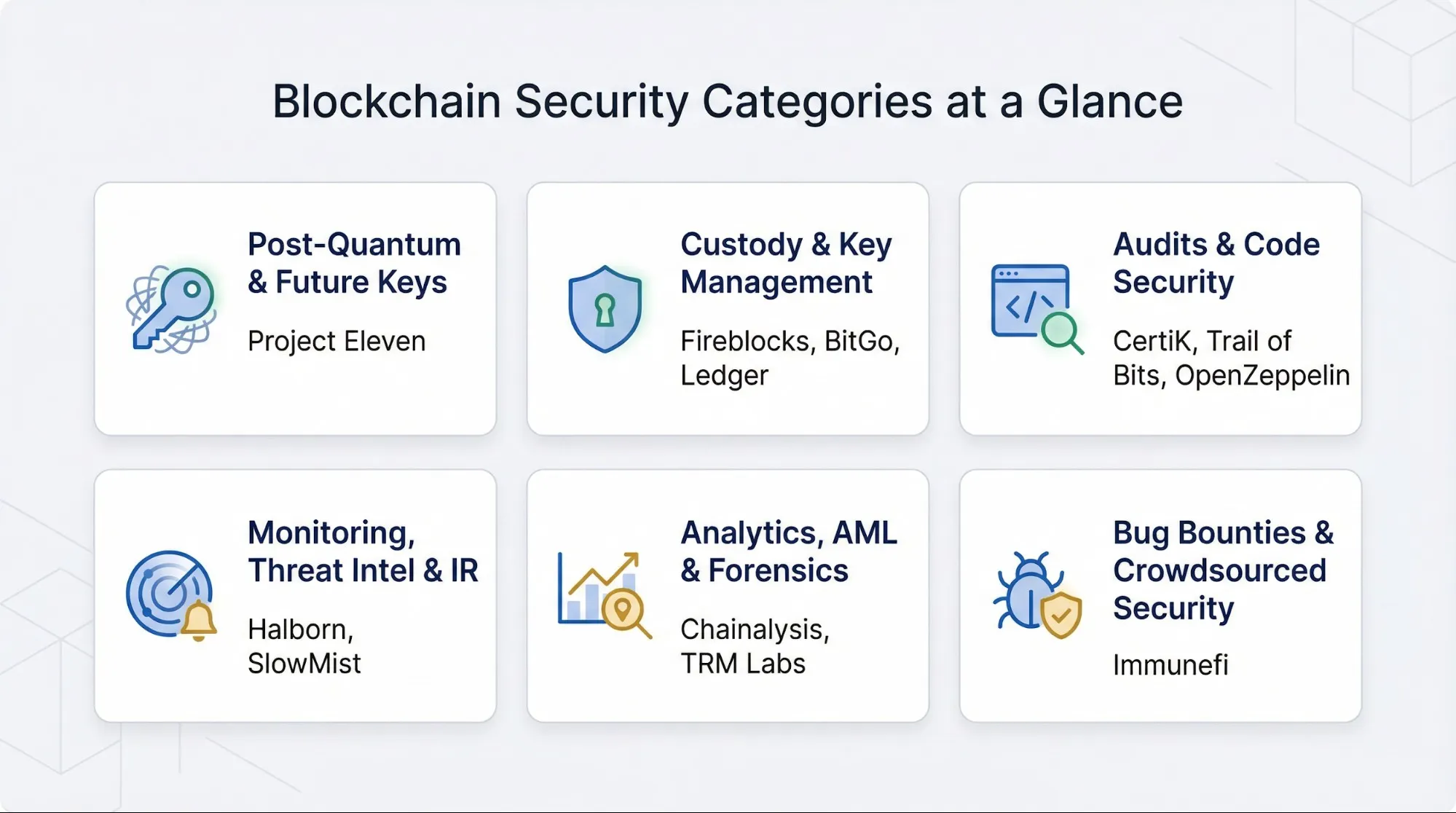
Company | Core offering | Primary focus | Key certs | Business model | Distinguishing edge |
Project Eleven | Post-quantum crypto toolkit | Quantum-safe keys | In progress | Consulting + licensing | Zero-downtime PQ upgrade path |
Fireblocks | MPC custody & transfers | Institutional multi-chain assets | SOC 2 Type II, CCSS | SaaS | Patented MPC-CMP engine |
Ledger | Hardware wallets | Retail & enterprise cold storage | EAL5+ secure element | Device sales + enterprise SaaS | 6 million devices shipped |
CertiK | Audits + AI monitoring | DeFi & L1 codebases | ISO 27001 | Project fee + subscription | Skynet real-time scanning |
Trail of Bits | Deep protocol audits | Layer-1 and cryptography | Multiple U.S. gov contracts | Consulting | Senior-only research team |
Halborn | Full-stack cyber & IR | Exchanges, wallets, DeFi | SOC 2 | Retainer | 24/7 incident response |
Chainalysis | Analytics & AML | 100+ digital assets | SOC 2, GDPR | SaaS | Used by 75 agencies |
TRM Labs | Risk scoring & forensics | DeFi, NFTs, stablecoins | SOC 2 | API subscription | Rapid asset-coverage rollouts |
OpenZeppelin | Secure libraries & Defender | Ethereum contracts | SOC 2 (Defender) | SaaS + open-source | Forta decentralized alerts |
SlowMist | Audits & threat intel | APAC exchanges & bridges | ISO 27001 | Service fee | Eagle Eye attack detection |
Immunefi | Bug-bounty marketplace | DeFi & L1 projects | – | Success fee | $100 million bounties paid |
BitGo | Multi-sig custody | Regulated institutional assets | SOC 2, trust charters | Custody + trading | $250 million insurance cover |
Project Eleven: preparing for the quantum moment
Quantum computers could unlock medical and AI advances, but they also jeopardize current blockchain signatures. Project Eleven treats that countdown as urgent, not hypothetical.
On June 19, 2025, the team raised $6 million to build a smooth path from elliptic-curve keys to quantum-safe credentials. Yellowstone, their flagship registry, builds on the lattice-based schemes profiled in Project Eleven’s Post-Quantum Cryptography primer, letting you create a hybrid quantum-safe key, bind it to your existing wallet, and timestamp the proof without requiring a consensus change or hard fork. They even posted a one-bitcoin bounty for the first researcher who cracks an ECC key with real quantum hardware, turning theory into a scoreboard, according to a June 19, 2025 Coindesk report.
If you plan to hold assets for a decade or more, Project Eleven offers peace of mind that will last past Q-Day. It is the only provider on our list devoted solely to post-quantum defense, and that tight focus keeps the team two steps ahead of a threat many projects still label “later.”
Fireblocks: moving billions without flinching
Institutional crypto moves fast. One misplaced key or insider error can erase a fortune. Fireblocks remove that anxiety with wallets built on multi-party computation, splitting each private key into shards that never live in one place.
Your team signs together, yet no single employee can drain the vault. Banks value that control. By Q3 2025, Fireblocks protected more than $40 billion in client assets and powered $3 trillion in cumulative transfers without a headline breach.
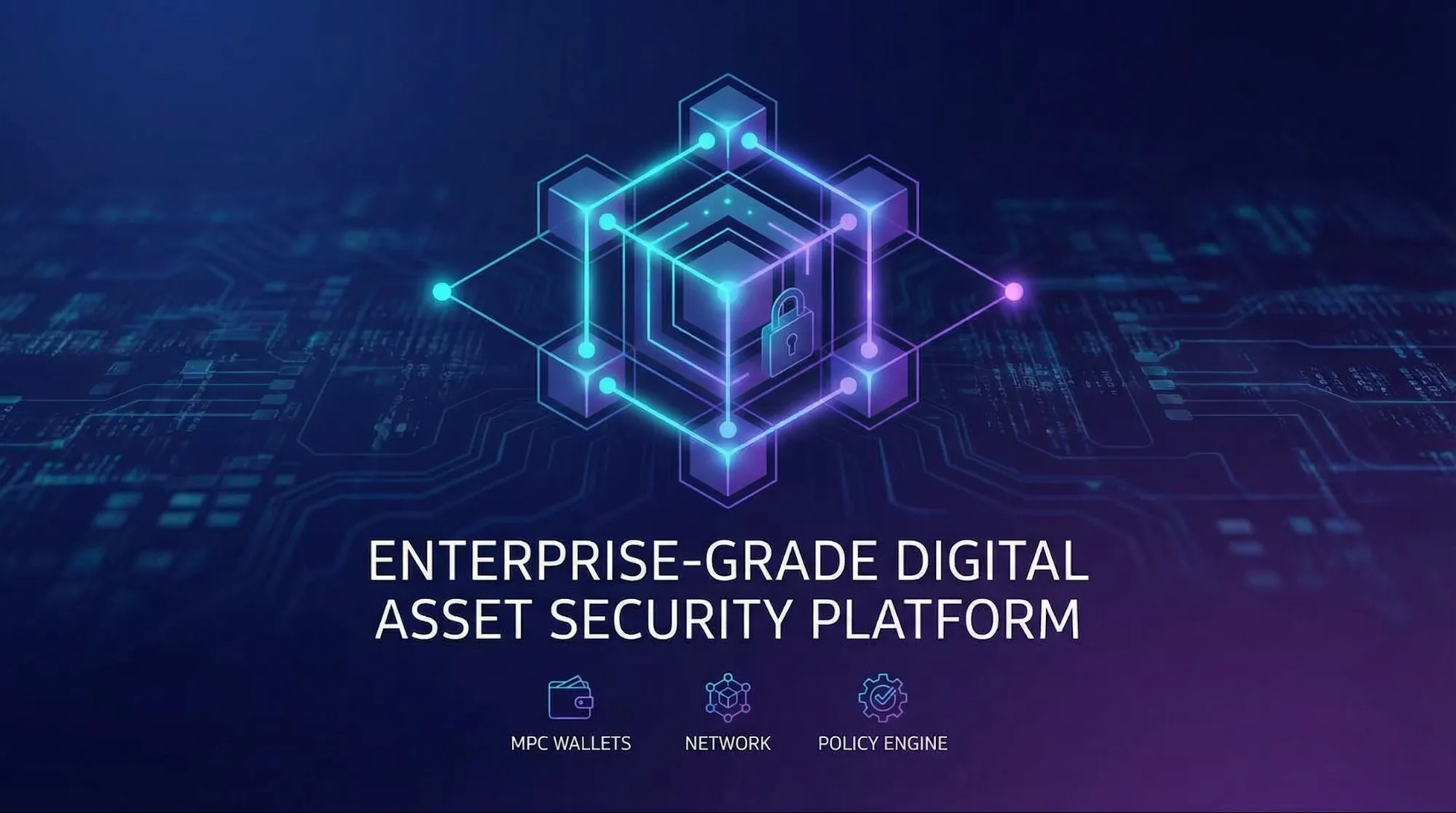
Security is only half the story. Policy engines let you hard-code who can move what, when, and where. Need trading desks in London and Singapore to approve a withdrawal before it reaches the wire? It takes one setting, not a custom build.
Add SOC 2 Type II certification, CCSS compliance, and direct links to DeFi protocols, and Fireblocks becomes the institutional standard. If you manage other people’s money, and your reputation depends on never losing a satoshi, this is the vault to choose.
Ledger: cold storage, hot reputation
Self-custody seems simple until malware lands on your laptop. Ledger keeps attackers out by locking your keys inside a secure-element chip that never touches the internet.
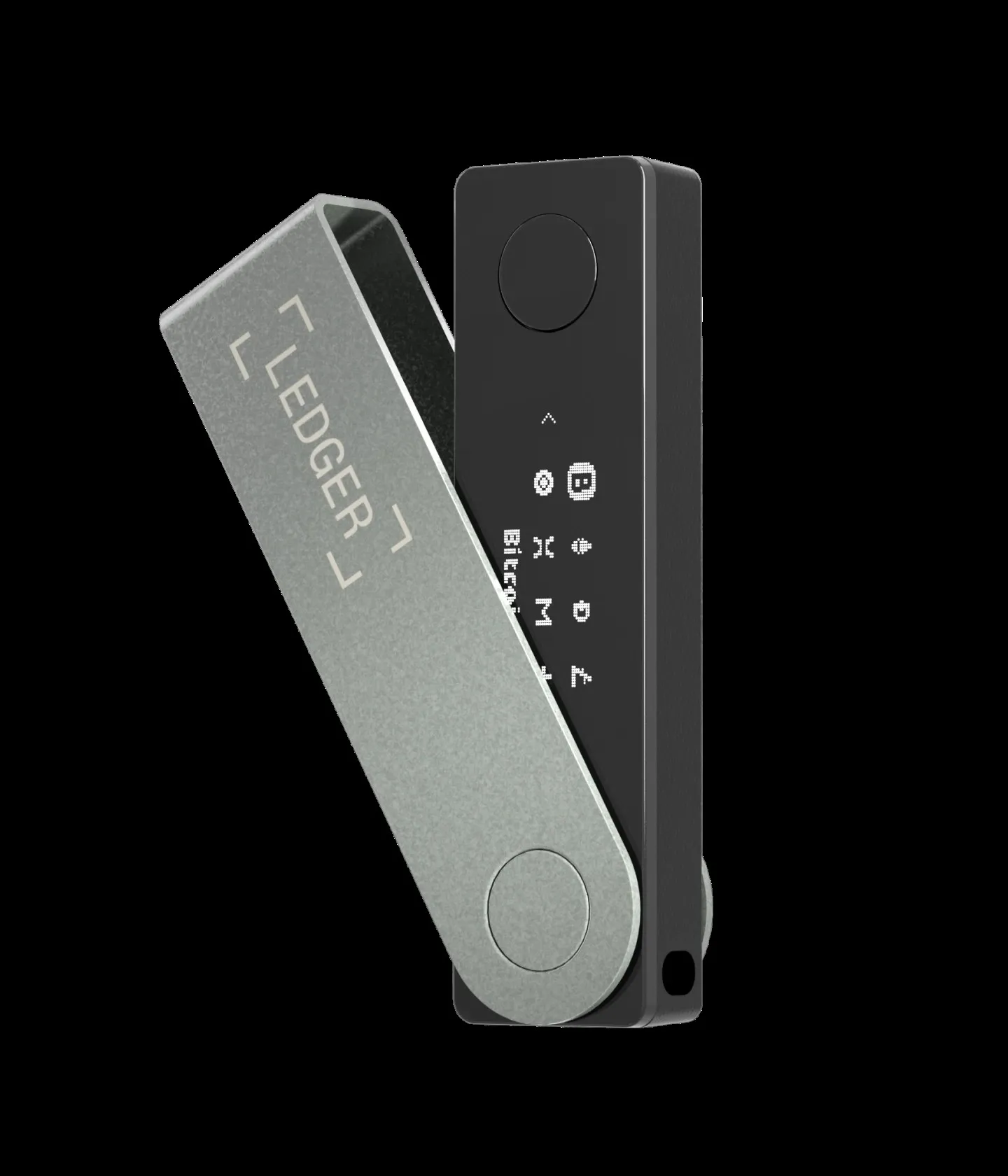
More than six million devices already protect funds across desks and pockets worldwide. Plug one in, confirm a transaction on its screen, and a keylogger stays powerless.
Enterprises get the same assurance through Ledger Enterprise. Governance rules, multi-approval workflows, and instant policy alerts let large teams move funds without wondering who pressed send.
Early critics called hardware wallets clunky. Ledger answered with Ledger Live, a desktop and mobile app for swaps, staking, and portfolio tracking in one place. Users gain convenience without giving up cold-storage safety.
If you want keys in your hand, not on a server, Ledger provides the pocket-size vault the market trusts.
CertiK: code audits that never clock out
Smart contracts can hold billions, yet many launch under deadline pressure. CertiK acts as your extra set of eyes, pairing formal verification with machine learning to catch bugs before they turn costly.
The review begins with a senior audit, then shifts to Skynet, an always-on scanner that monitors live contracts. If an admin role changes or liquidity spikes in a suspicious pattern, Skynet flags it before the issue reaches the headlines.
CertiK has audited more than 3,000 projects and secured $300 million in funding to keep its research moving forward. When you choose CertiK, your code gains a watchdog that never blinks.
Trail of Bits: when only elite eyes will do
Some projects are too large or too novel for a high-volume auditor. Trail of Bits fills that gap with PhDs in cryptography and former DARPA researchers who thrive on edge cases.
The team reverse-engineered Ethereum’s deposit contract, stress-tested Algorand’s consensus, and broke early zero-knowledge circuits before they reached production. Every engagement is led by senior engineers; no junior tier stands between your code and expert review.
Clients stay because Trail of Bits does more than file tickets. They map game-theory attacks, build custom fuzzers, and publish open-source tools your own engineers can build on. If your protocol secures billions or pioneers new cryptography, these are the white hats to invite in before attackers arrive.
Halborn: 24/7 incident-response hotline
Security budgets often focus on audits, but the real test comes at 2 a.m. when an exploit starts draining funds. Halborn earned its name by answering at that hour and knowing what to do next.
The team audits smart contracts and pen-tests exchange infrastructure, yet its greatest value appears when alarms sound. Specialists isolate compromised keys, coordinate with validators, and alert law enforcement before attackers cash out.
That readiness attracts headline clients. From the Dogecoin Rab13s patch to emergency bridge support on Solana, Halborn steps in when “never-seen” bugs surface. A $90 million Series A during the 2022 downturn expanded the incident-response roster, proving that help arrives in minutes, not days.
If you need a partner who stays after launch and picks up on the first ring, keep Halborn on speed dial.
Chainalysis: the blockchain’s detective agency
Money laundering once relied on the myth of crypto anonymity. Chainalysis shattered that myth by tracing wallet flows with forensic precision, giving regulators and exchanges a real-time view into the darkest corners of the chain.
Reactor and KYT dashboards track funds across Bitcoin, Ethereum, and more than 100 other assets, clustering addresses until suspect wallets glow like neon. When the Colonial Pipeline ransom hit headlines, Chainalysis data helped authorities recover the bitcoin within days.
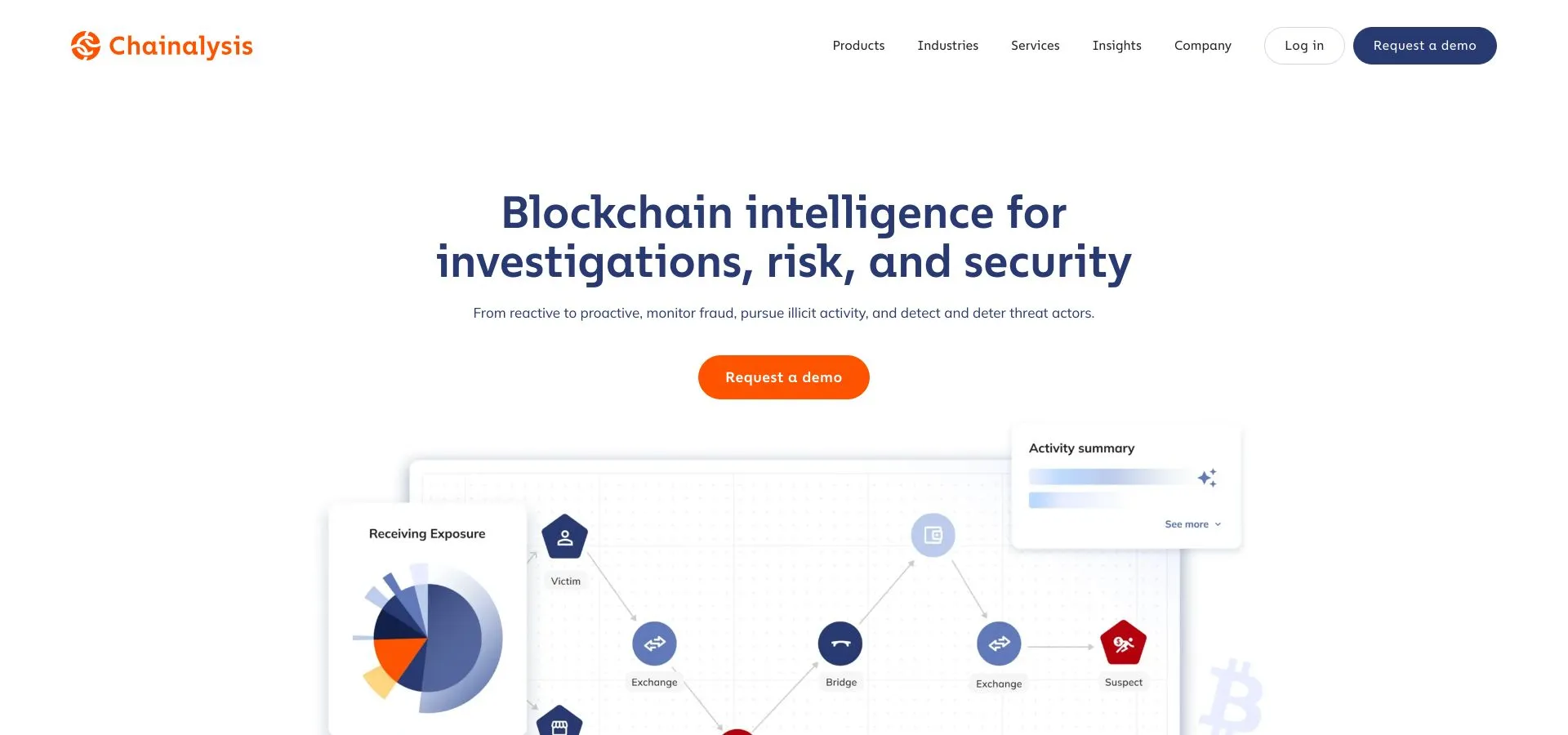
Adoption surged. More than 70 government agencies, 40 % of U.S. exchanges, and a growing roster of global banks use Chainalysis to screen deposits, flag sanctions violations, and release frozen assets. In short, they switched on the lights, and bad actors dislike bright rooms.
If your business handles customer funds, regulators expect you to know where those coins have been. Chainalysis hands you the map, the compass, and the warning flags before trouble arrives.
TRM Labs: compliance without the bloat
Not every firm has a war-room budget, yet regulators still expect crystal-clear audit trails. TRM Labs fills that gap with a lean platform that drops into your tech stack through simple APIs.
Submit a wallet address and TRM returns a risk score, sanctions status, and flow history in seconds. Behind the scenes, machine-learning models flag patterns tied to phishing rings, mixers, and NFT wash trades—threats that often slip past legacy AML screens.
Adoption keeps climbing. In 2025 alone, TRM clients froze USD 330 million in illicit assets, logged 93,000 deconfliction signals, and welcomed support for 23 new blockchains—part of more than 120 product releases that year, according to Crowdfund Insider.
Government agencies from Washington to London rely on TRM for investigations, while mid-tier exchanges and fintech apps choose it for enterprise-grade intelligence minus the red tape. If your team needs top-tier compliance without heavyweight overhead, TRM is the right fit.
OpenZeppelin: the quiet guardian of smart contracts
If you have ever deployed an ERC-20 token, you probably used OpenZeppelin code. Its open-source libraries power thousands of projects, baking proven patterns into every transfer, mint, and upgrade.
Publishing safe code is only the first step. OpenZeppelin Defender automates admin work with time-locks, multi-sig approvals, and on-chain policy checks, cutting the human error behind too many “oops” moments.
For runtime vigilance, Forta’s decentralized sensor network scans transactions across major chains and alerts developers when it spots flash-loan patterns or governance attacks forming. Libraries, Defender, and Forta create a continuous security loop that starts in the IDE and follows the contract into production.
OpenZeppelin rarely grabs headlines, yet its tooling safeguards more value than many banks. When developers say “security by default,” this is the blueprint they have in mind.
SlowMist: Asia’s early-warning radar
Crypto moves fastest in Asia, and so do the attacks. SlowMist meets that pace by blending local know-how with global threat intel to warn exchanges and bridges before funds vanish.
The Eagle Eye system watches withdrawal flows for sudden spikes, checks them against a deep database of malicious addresses, and alerts operators in real time. During the 2021 Poly Network breach, this playbook helped freeze USD 97 million within hours of the USD 610 million exploit. The same workflow has clawed back assets from dozens of BNB Smart Chain rug pulls that never reached Western headlines.
SlowMist’s strength is proximity. Engineers speak local languages, monitor regional chat rooms, and maintain law-enforcement hotlines from Singapore to Seoul. When a hack slips through, they track transactions, notify centralized exchanges, and guide police paperwork so victims recover at least part of their losses.
If your project relies on Asian liquidity, SlowMist delivers more than an audit stamp. It provides real-time vigilance that turns chaos into actionable alerts.
Immunefi: turning hackers into a human firewall
Audits catch bugs before launch, but code keeps changing. Immunefi pays ethical hackers to probe live contracts until every critical flaw is gone.
The incentives work. In just three years, white-hat researchers have earned more than $100 million in bounties while saving an estimated $25 billion in user funds, according to GlobeNewswire.
Projects set rewards that match risk, sometimes topping $1 million for a single vulnerability. Researchers race to report, Immunefi triages the disclosure, and teams patch quietly before attackers notice. About 80 % of protocols uncover issues missed by their initial audits, a number that turns skeptics into believers.
Crowdsourced security is not optional. It is nonstop stress testing by people who think like thieves but get paid like consultants. If you want thousands of eyes on your smart contracts around the clock, Immunefi is the marketplace where vigilance never sleeps.
BitGo: trust charter meets multi-sig muscle
BitGo has protected digital assets since Mt. Gox was current news. Its specialty is multi-signature custody, a simple but powerful idea: no single key can empty the vault.
At peak, BitGo processed about 20 % of all on-chain Bitcoin and now safeguards roughly $100 billion in assets. Clients range from Wall Street banks to NBA franchises, all attracted by a mix of cold-storage discipline, regulated trust charters, and a $250 million insurance cushion.
Fireblocks fans point to MPC privacy, but BitGo answers with on-chain transparency: each signature is visible, and every approval is auditable. For treasuries that report to boards and auditors, that visibility becomes an advantage.
If you want the longest-running custodian with proven multi-sig workflows and a regulator’s approval, BitGo keeps the keys secure and your compliance officer calm.
Buyer’s checklist: choosing your security partner
Unsure which firm meets your needs? Use this five-step check.
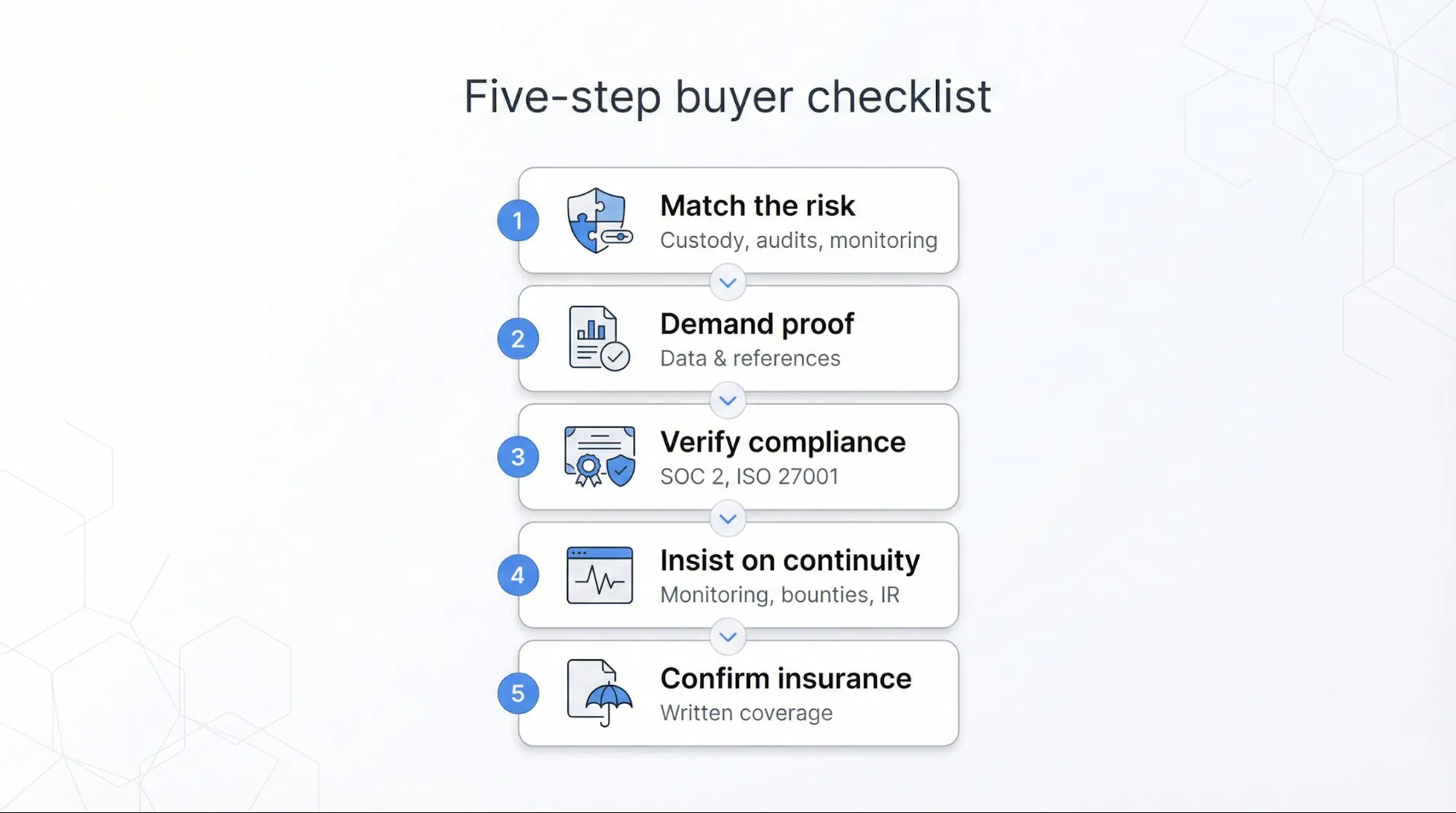
Match the risk. Decide whether you require custody, audits, monitoring, or forensics.
Demand proof. Request data on assets protected, exploits prevented, and named client references.
Verify compliance. Look for SOC 2, ISO 27001, or a regulated trust charter.
Insist on continuity. Ongoing monitoring, bug bounties, and incident response keep protection active after launch.
Confirm insurance. A written policy proves the vendor backs its promises.
Check every box and you move closer to reliable, headache-free security.
Conclusion: strong links make a strong chain
Blockchain success rests on trust, and trust rests on security. The 12 firms in this guide cover every layer of defense, from quantum-safe keys to real-time threat hunters. Mix and match for depth: audit with CertiK or Trail of Bits, monitor with Forta, store funds in Fireblocks or BitGo, then invite Immunefi’s white hats to keep you honest.
Build that stack and you can focus on new features, confident that the foundation will hold.